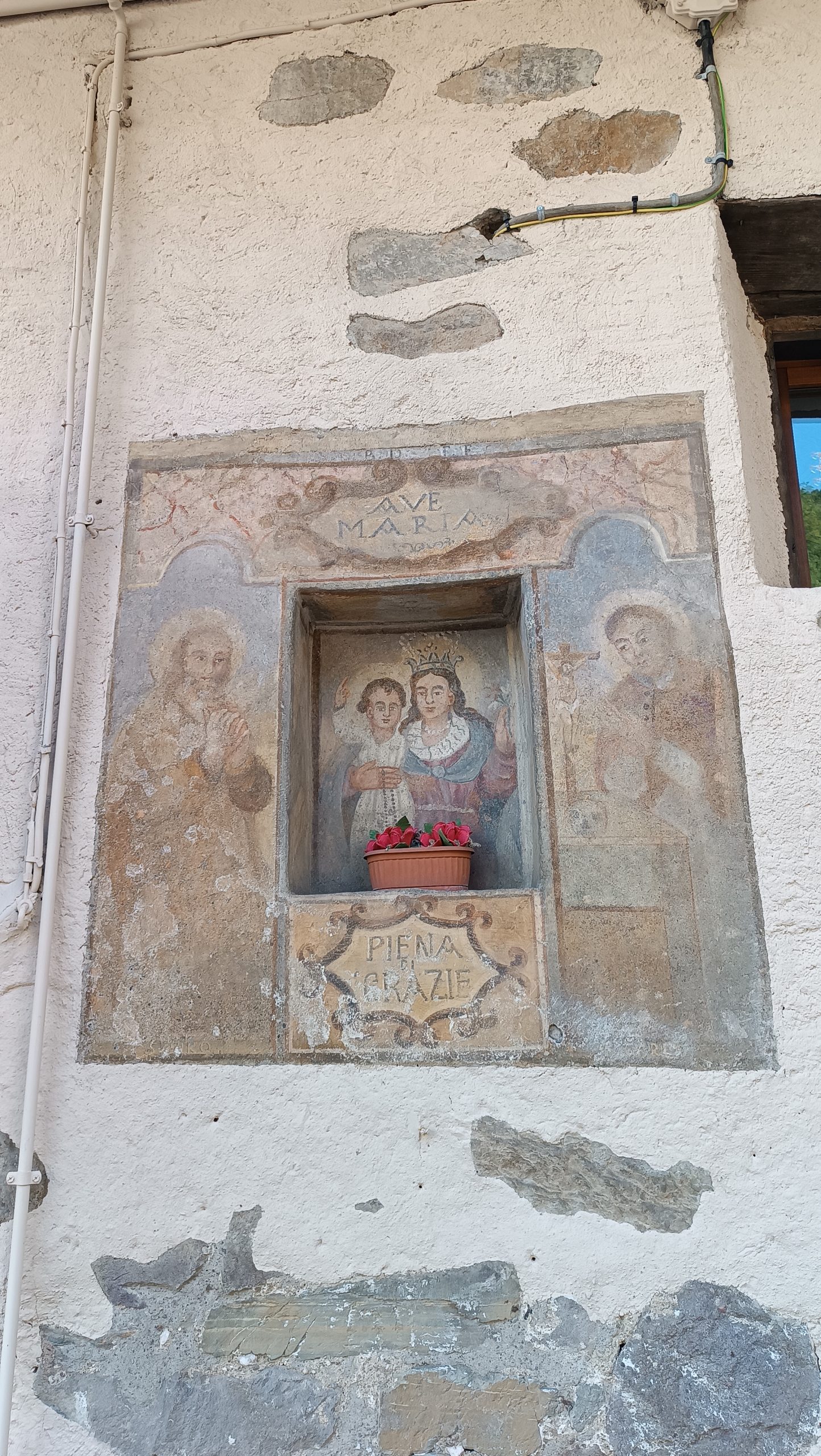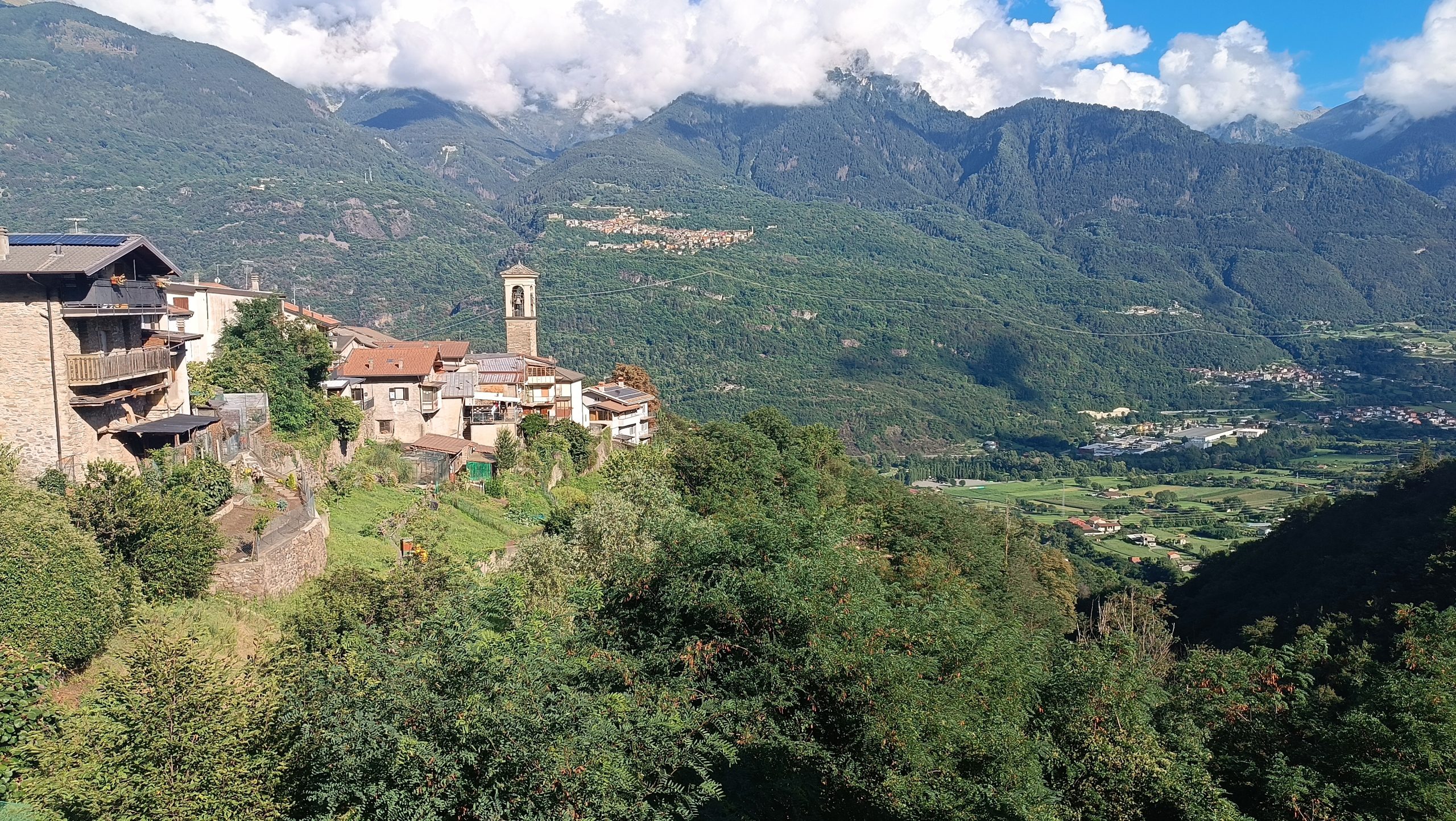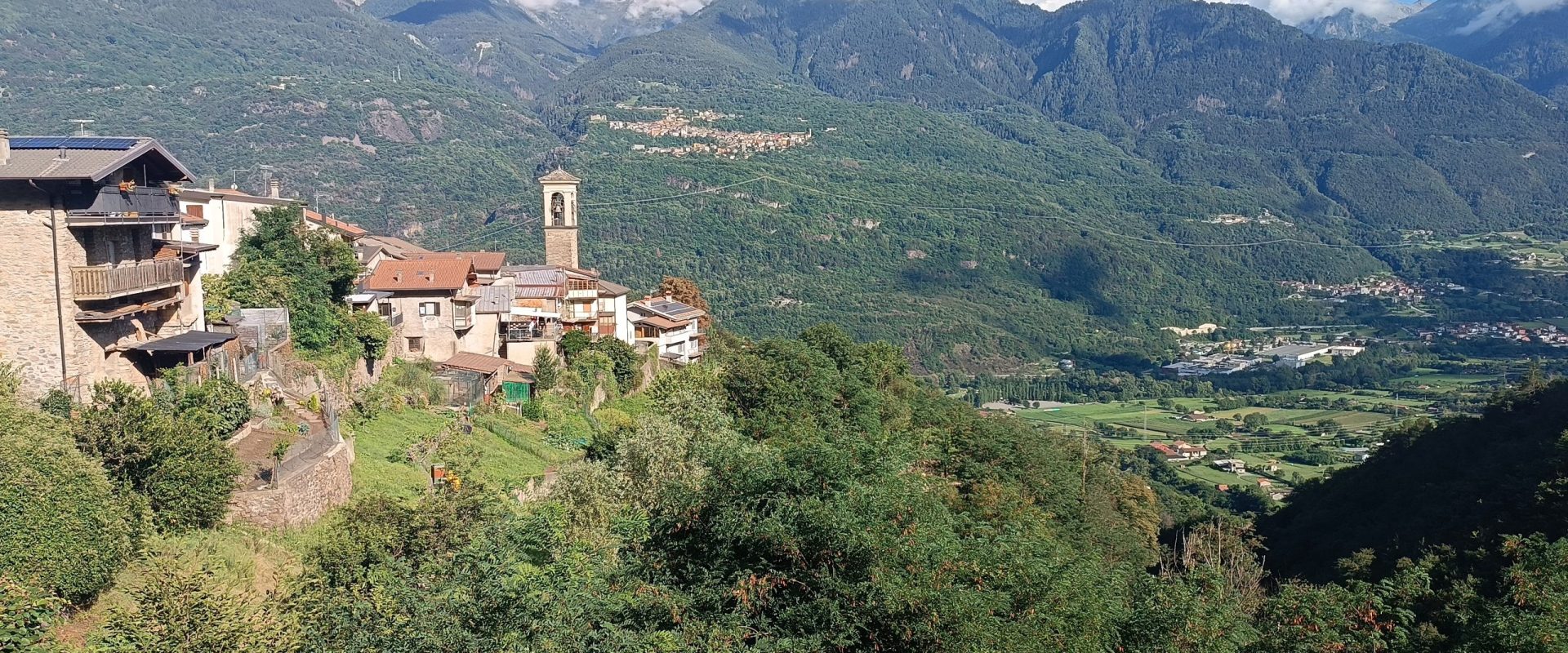
Nestled at an altitude of 615 metres on the eastern slopes of the Middle Camonica Valley, Pescarzo is a village of enchanting beauty, overlooking the valley between the woodlands of Mount Elto and the course of the Clegna stream.
Set on a lush green plateau, Pescarzo is known as a“silent village”, where the sounds and bustle of the valley floor cannot be heard, despite being just a few kilometres from Capo di Ponte.
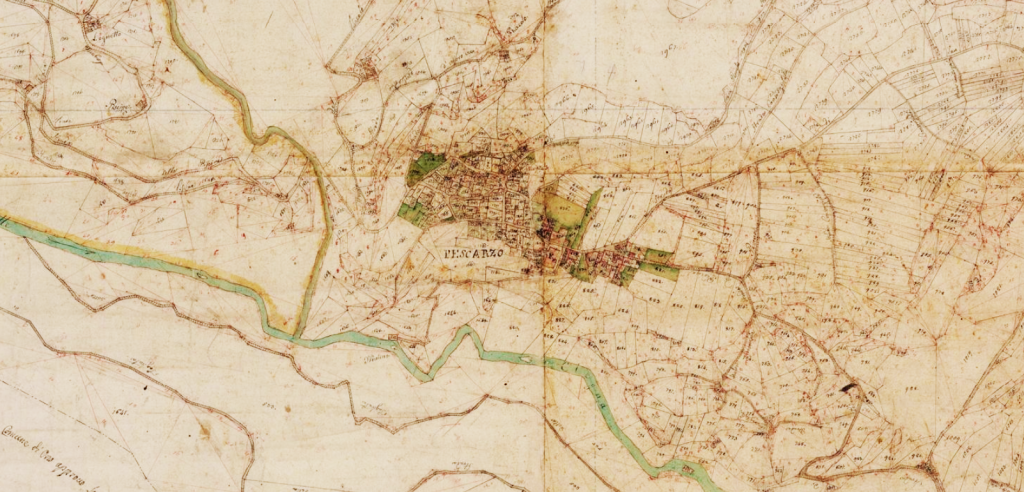
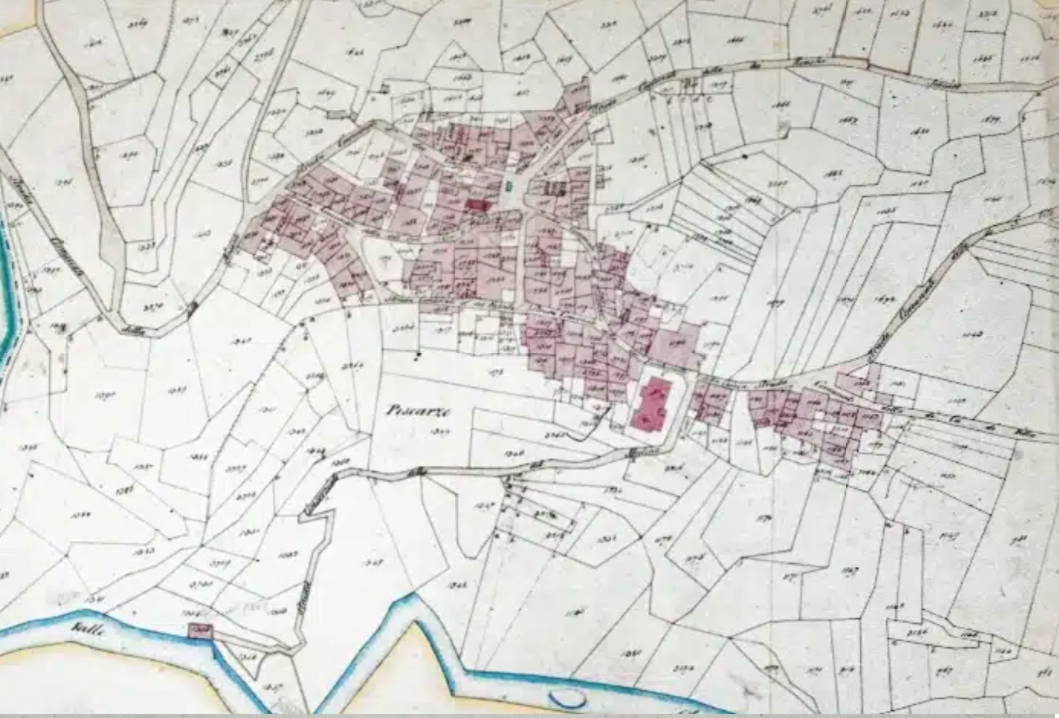
Its territory boasts an extraordinary continuity of human settlement dating back toprehistoric times. The surrounding hills, includingDos del Merichì, Redond and the renownedBedolina area, preserve an invaluable heritage of rock engravings spanning from the Neolithic period to the Middle Ages. Among these, the famous Bedolina Map stands out as one of the oldest known topographical representations in the world.
The village was historically linked to the nearby parish of Cemmo, sharing its administrative and pastoral history. Over the centuries, its inhabitants developed a resilient economy based on mountain agriculture, livestock grazing, and the historic extraction of slate, traditionally used for roofing houses (known locally as (piode).
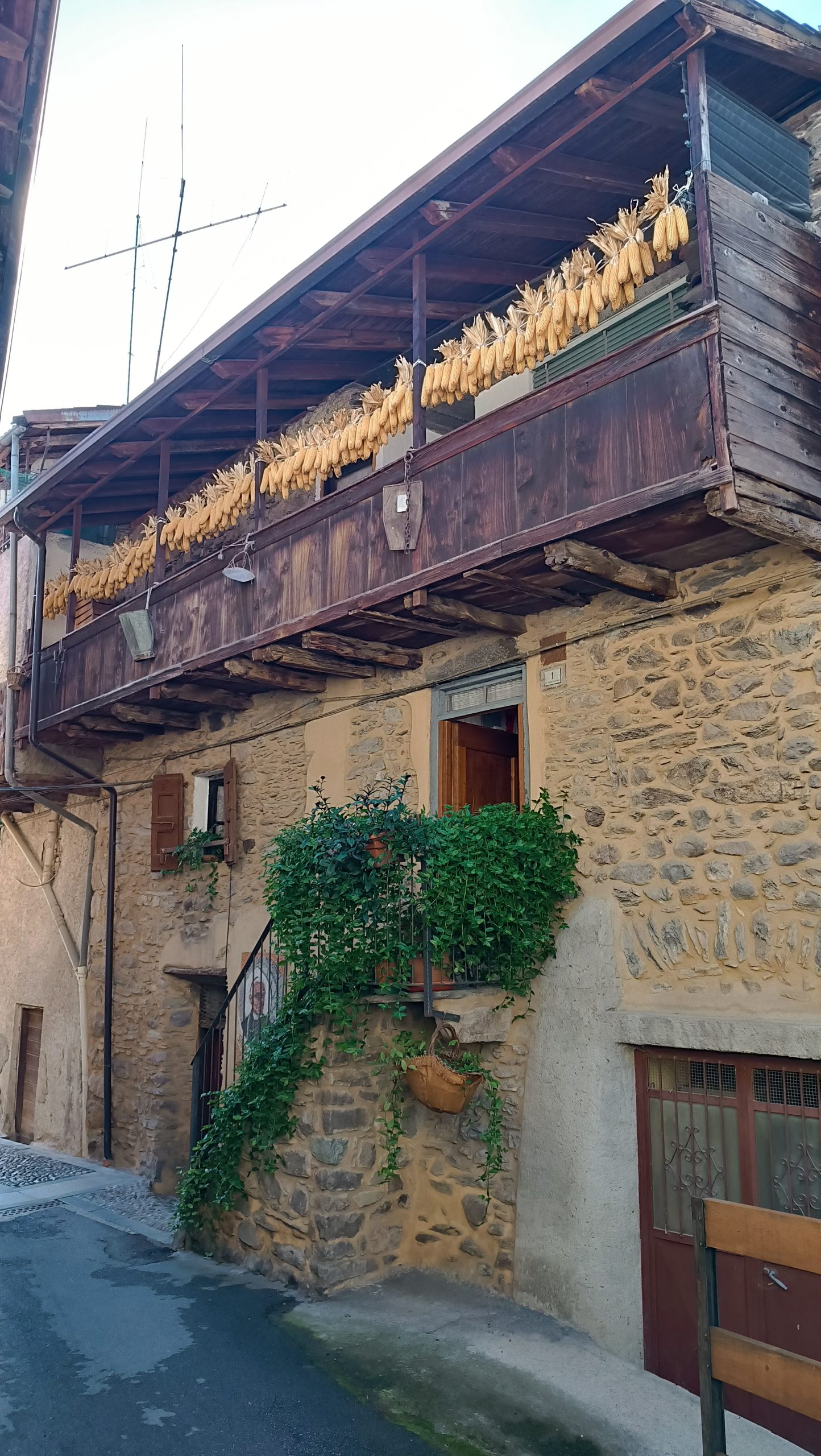
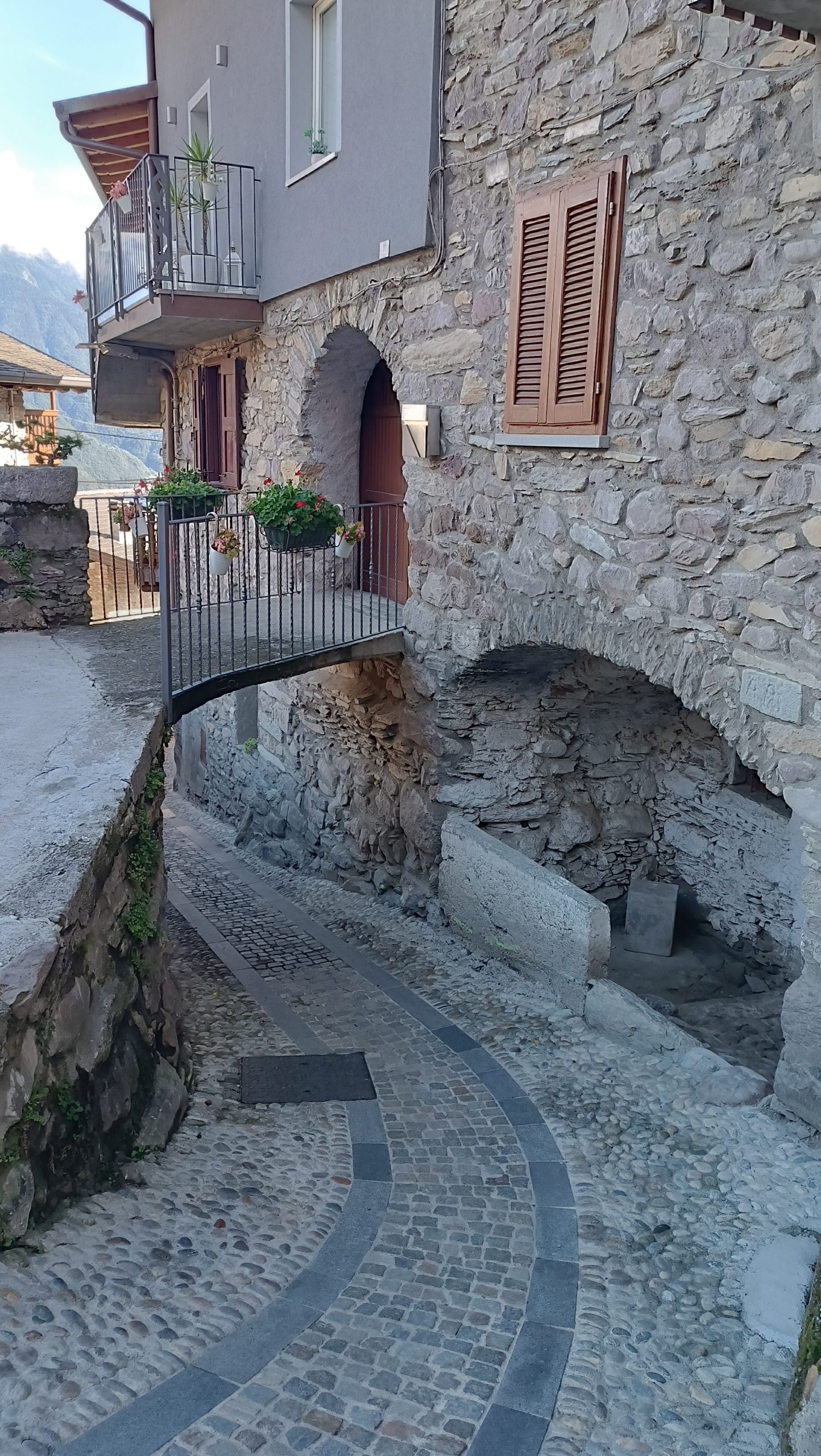
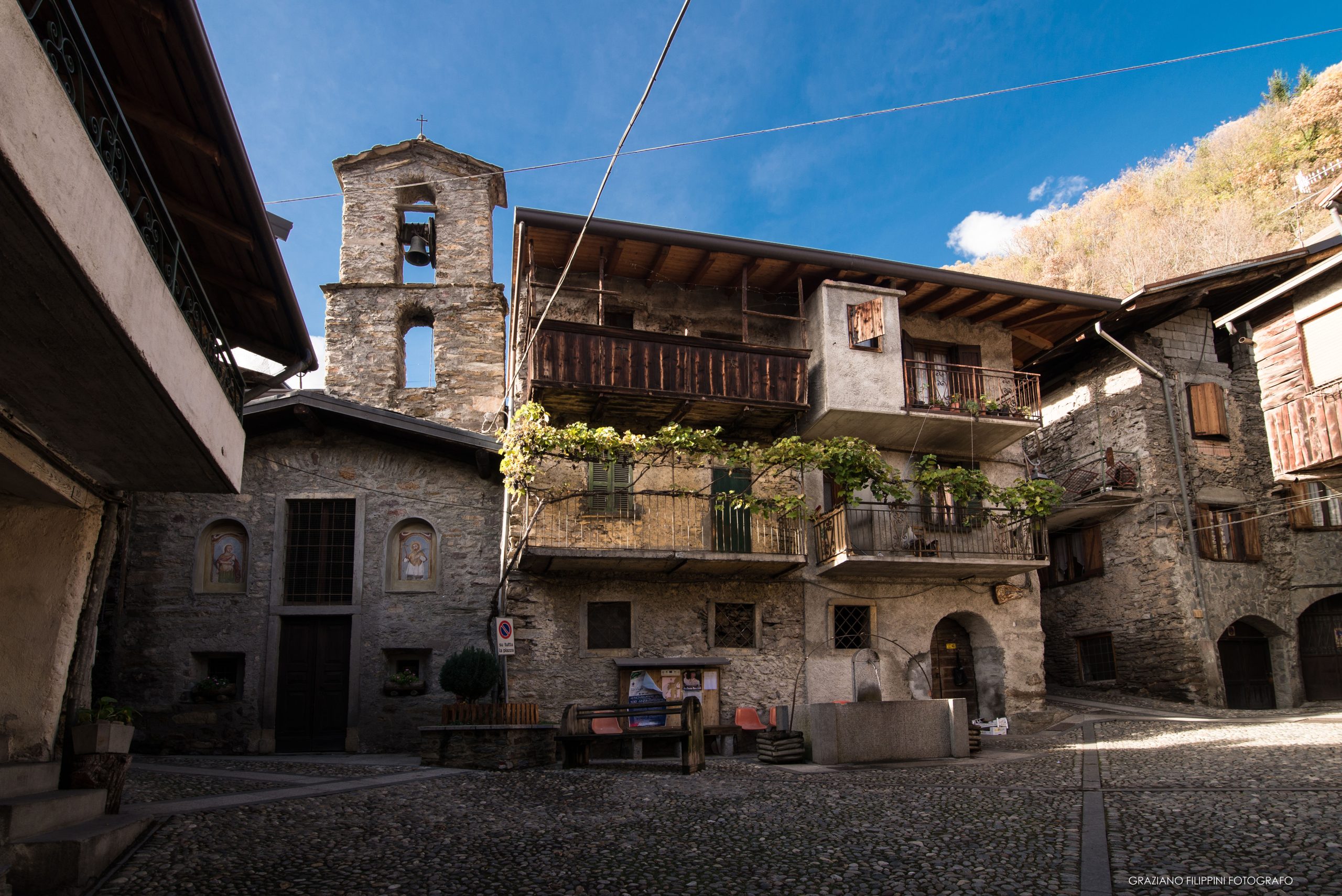 Crossing the threshold of Pescarzo’s historic centre is like embarking on a journey back in time. The village, preserved thanks to a careful programme of architectural restoration and conservation launched in the 1980s, offers an exceptionally well-preserved example of traditional rural architecture from the Camonica Valley. The houses, built with imposing dry-stone structures reminiscent of medieval construction techniques, cluster along cobbled alleyways and atmospheric covered passageways of remarkable charm.
Strolling through the narrow streets, visitors can discover ancient carved doorways, inner courtyards, stone lintels and breathtaking panoramic views. The village’s urban layout blends harmoniously with the surrounding terraced landscape, seamlessly integrating its historic districts while preserving the authentic atmosphere of a mountain village, where every stone and every corner tells the story of the community’s industrious life throughout the centuries.
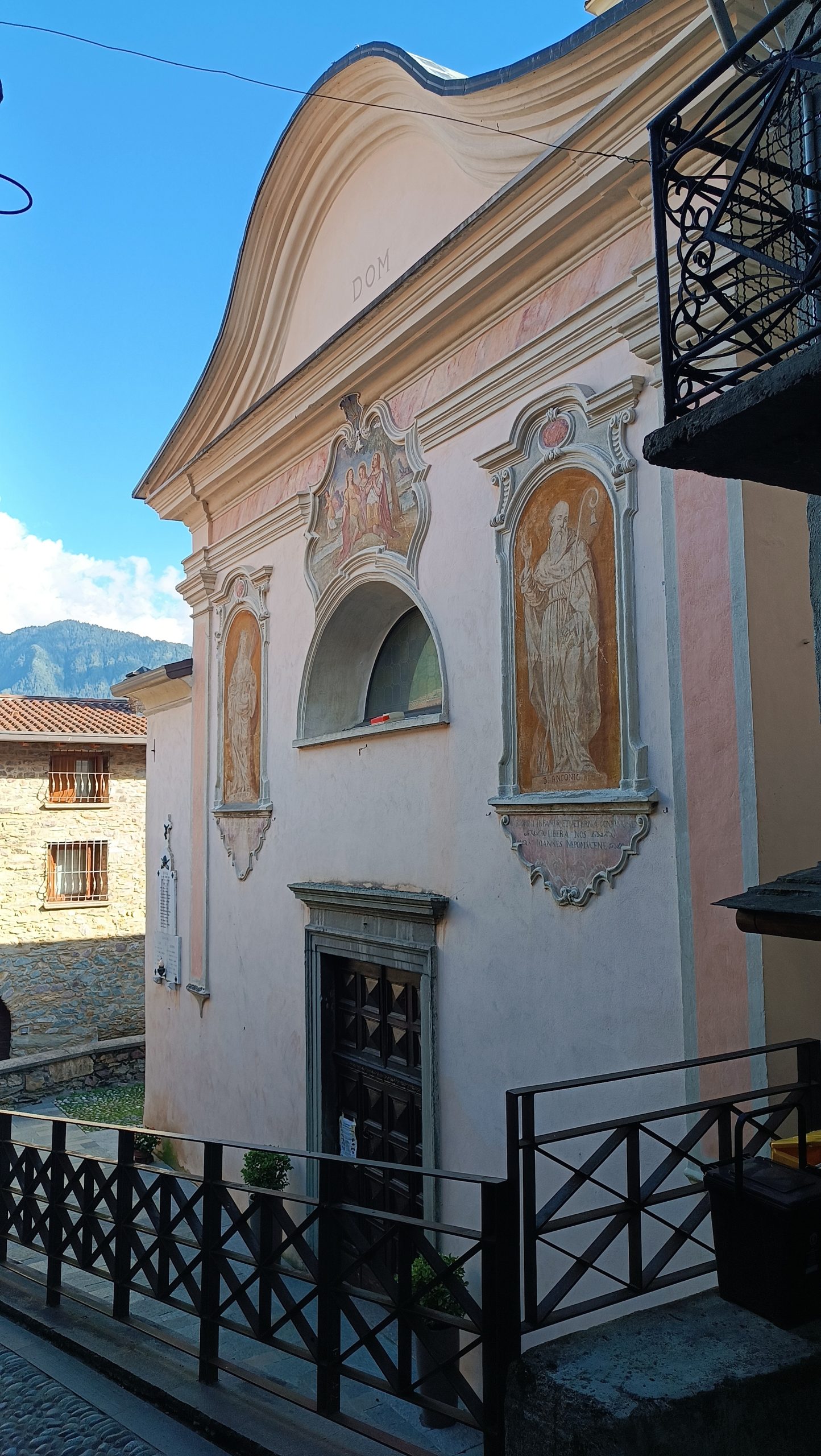 First documented in 1336 and historically under the ecclesiastical jurisdiction of the parish of Cemmo, the community of Pescarzo was initially associated with a small church located near the cemetery and dedicated to Saint Vitus (invoked for protection against animal bites), to whom Saints Modestus and Crescentia were later added as co-patrons.
Despite the strong religious devotion of the community, the process of achieving independence from Cemmo was long and complex. Initiated following the pastoral visits of Bishop Bollani and Saint Charles Borromeo, it culminated in 1611 with the establishment of Pescarzo as an independent parish and was finally completed in 1684, when the community was definitively released from all obligations towards the parish church of Cemmo.
The original church had become too small, lacked a sacristy and was damp due to water flowing beneath it. In January 1638, the inhabitants of Pescarzo therefore obtained the bishop’s permission to build a new church in a more central and elevated location.
The parish church became the social and religious heart of the village, gradually enriched by charitable institutions such as the Rizza Chapel, established to care for the sick. In 1979, part of its former property was used to create the premises for the nursery school, the parish priest’s residence and the youth centre.
The church’s artistic heritage includes an altarpiece by Giacomo Borni, known as «Bate» (c. 1690), and a statue of Our Lady of the Rosary dating from 1752, attributed to Beniamino Simoni. However, the most venerated work is the wooden statue of the Dead Christ, carved in 1749 by the renowned Fantoni workshop of Rovetta. Popular tradition attributes several miracles to this sculpture, including the healing of a sick young man during its transportation and the gift of rain during periods of severe drought.
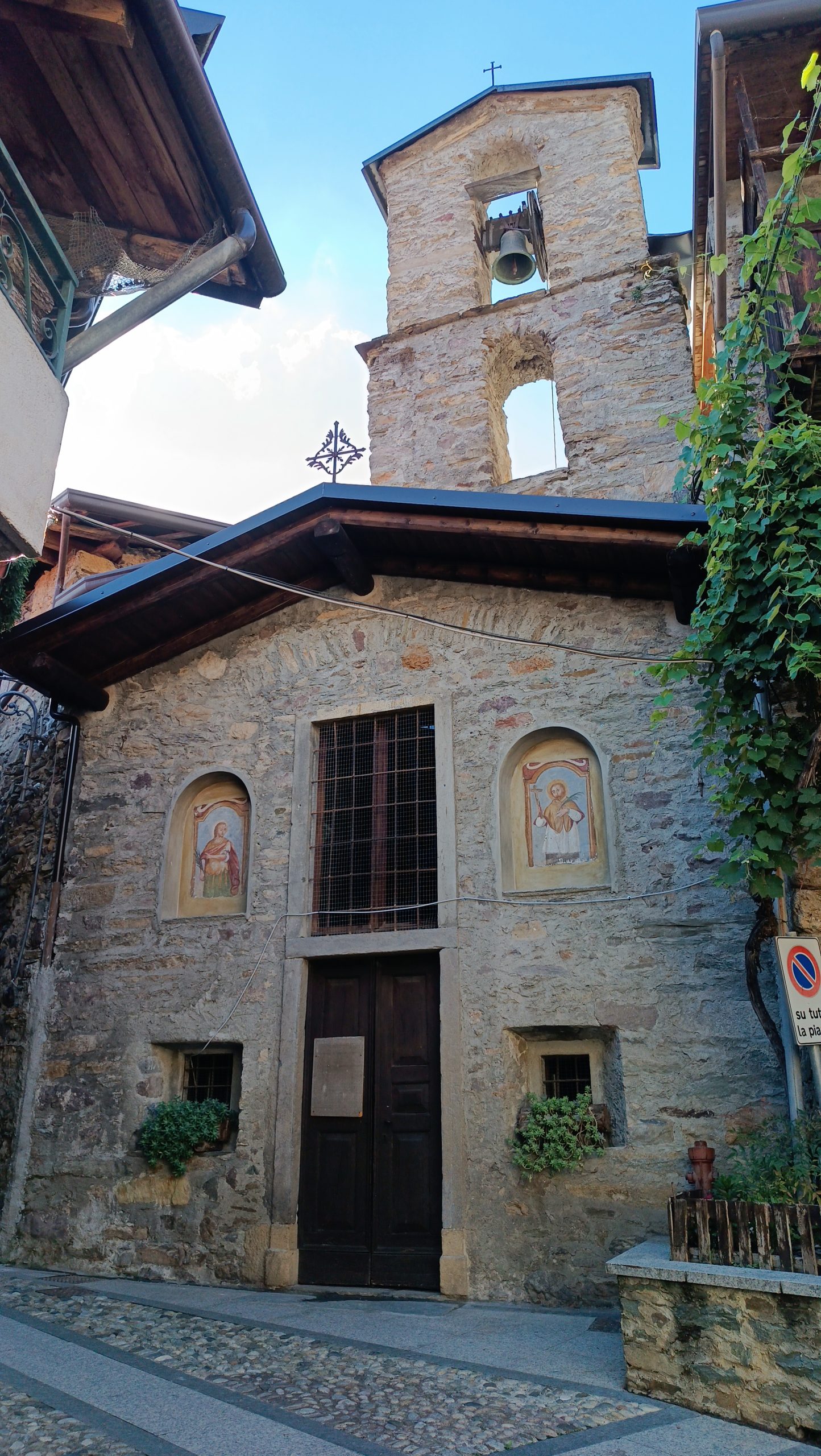 Documented since the 17th century, the Church of Saint Roch has been an important centre of religious devotion in Pescarzo. The records of Bishop Bartolomeo Gradenigo’s pastoral visit in 1689 identify it as the meeting place of the Confraternity of Discipline, whose members gathered there to recite their prayers and religious offices.
Over the centuries, the church has maintained a constant presence in the life of the village. Pastoral visit records from the 18th and 19th centuries reveal that Mass was celebrated there on the fourth Sunday of each month. In 1837, following the dissolution of the Confraternity of Discipline, the building became the new headquarters of the Confraternity of the Blessed Sacrament.
In 1861, Bishop Girolamo Verzeri called for repairs to the church floor. Monthly religious services continued regularly into the early 20th century, until the building underwent a complete restoration between 1993 and 1994, promoted by the parish priest, Father Delfino Albiero.
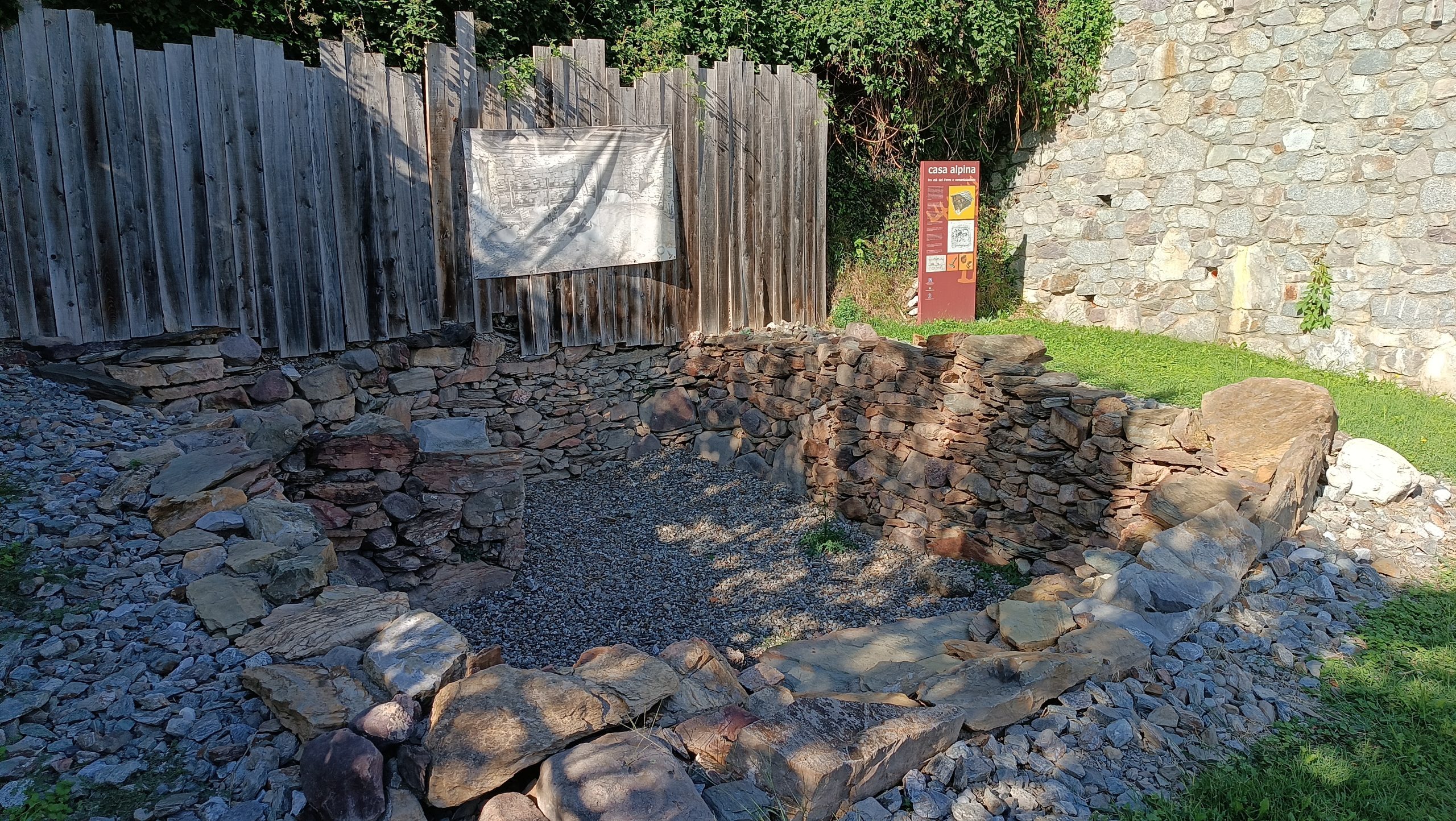
The «Raetian House» of Pescarzo, in Capo di Ponte, is an outstanding example of ancient Alpine architecture. It is situated on a panoramic terrace in the central Camonica Valley, at an altitude of approximately 650 metres, along the right-hand side of the Oglio River.
Excavated between 1995 and 1996, the site
has revealed evidence of a remarkably long period of human occupation. Following its protohistoric phase, the area was home to production facilities dating back to the Roman Imperial period, as well as a plastered room dating from Late Antiquity to the Early Middle Ages. It was eventually reused as a burial ground, with the construction of a stone cist grave made of limestone slabs.
The oldest structure follows the classic model of the «Raetian House» (or, more generally, the «Alpine House»), a single-room building type widespread throughout the central and eastern Alps from the late 6th century BC until the Romanisation period.
The building rests on a deep, square-shaped excavation in the ground, measuring approximately 6 × 6 metres, with perimeter walls made of locally sourced dry-laid stone, preserved to a height of up to 1.80 metres. The interior, measuring approximately 23 square metres and sunk more than one and a half metres into the ground, provided excellent thermal insulation.
Access was provided from the north-west corner through a corridor and a flight of eight steps made of siltstone slabs. Above the stone base stood a raised wooden structure, probably a mezzanine used as a granary or hayloft. The roof consisted of a wooden framework covered with perforated stone slabs, secured in place with nails or pegs. This construction closely resembles the traditional piode stone roofs that can still be seen in the village of Pescarzo today.
The site’s exceptional state of preservation is due to a fire that caused the structure to collapse, sealing and carbonising the underlying wooden materials. Among these, one of the best-preserved larch wood doors in the entire Alpine region stands out: a door leaf measuring 150 × 72 cm, made up of three vertical planks joined by diagonal crossbars and wooden strips.
The door rotated on a pivot inserted into a larch wood threshold with two recesses and still retained the remains of a lock, together with its iron hook-shaped key, operated by means of a sliding mechanism typical of the Raetian tradition.
On the floor, covered by a simple bedding of straw made from agricultural cereal-processing waste, the skeletons of three individuals were discovered: a man aged between 25 and 35, a child aged 10–11, and an infant just a few months old, held against the adult’s chest.
Anthropological analyses indicate that the fire occurred when the bodies were already in an advanced state of skeletal decomposition, ruling out the possibility that the fire was the direct cause of death. This leaves open several possible explanations, including death from exposure to cold, poisoning or injuries that left no detectable traces on the bones.
The recovered artefacts provide a vivid insight into everyday life and bear witness to the gradual Romanisation and growing commercial connections of the Camunian community between the 2nd and 1st centuries BC. Today, they are on display at the National Museum of the Camonica Valley in Cividate Camuno.
The Big Bench
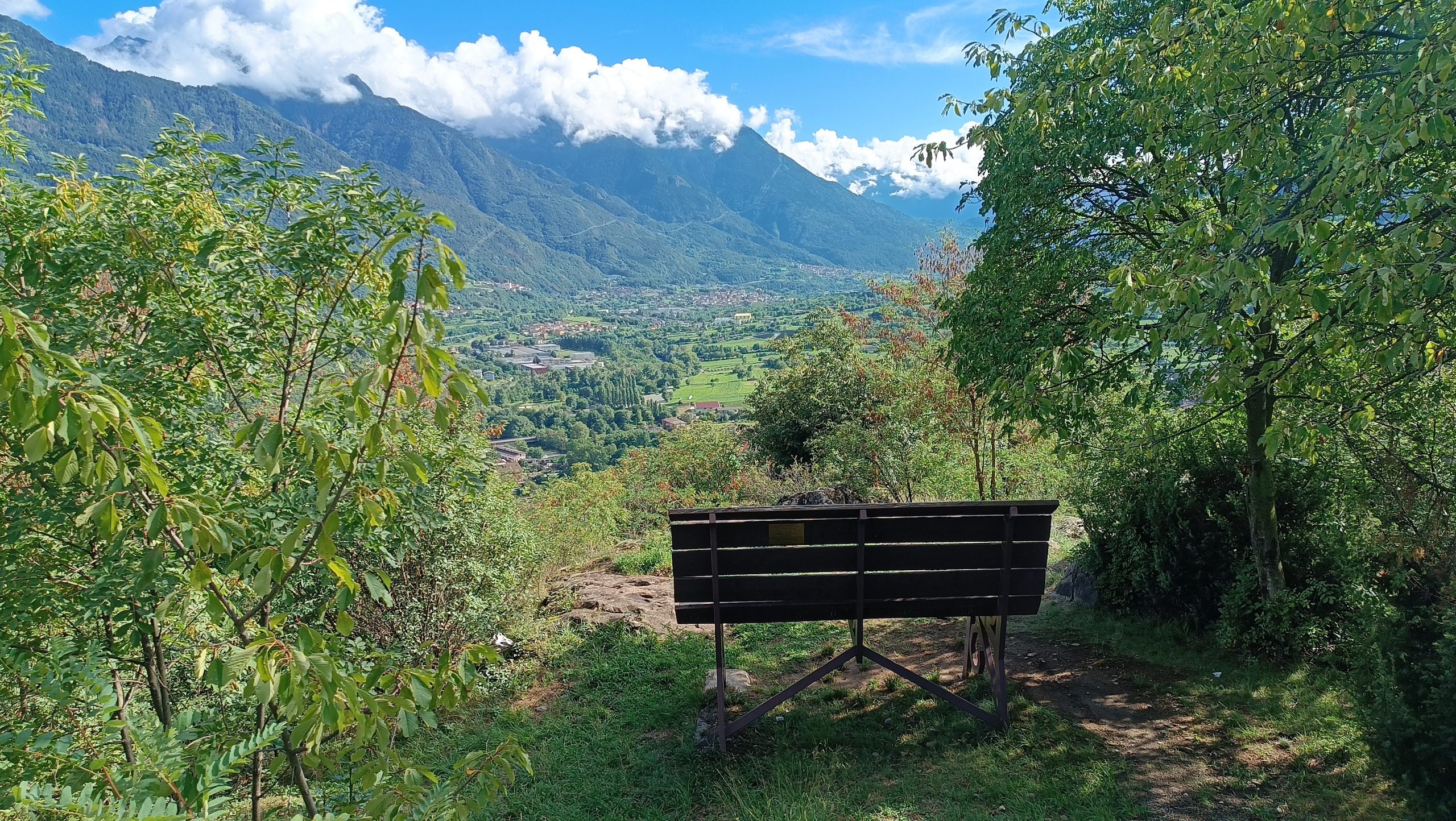 Located in the Badolina area, along the road leading up to the charming stone village of Pescarzo, Big Bench No. 75 offers a unique and captivating view of the central Camonica Valley. Featuring warm shades of brown, this large panoramic installation blends harmoniously into the surrounding mountain landscape, providing visitors and hikers with a special place to pause, admire the breathtaking scenery and rediscover the wonder of seeing the world through a child’s eyes.
Its strategic location makes it an easily accessible destination and a perfect addition to an itinerary exploring the local area. Just a short distance from the Seradina-Bedolina Archaeological Park and the area’s famous rock art parks, the Big Bench is an ideal stop for a relaxing break and memorable photographs, combining the magic of outdoor art with the rich historical and natural heritage of Capo di Ponte.
«Imagine Yourself»: The Pescarzo Market Exhibition
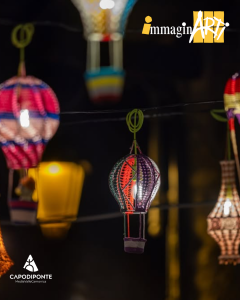
Since 2001, every year, the historic centre of Pescarzo has come to life thanks to the «Immaginarti» Market Exhibition, one of the most popular events in the entire Camonica Valley, dedicated to traditional craftsmanship and local folk traditions.
During the festival, the village takes on a special atmosphere: ancient courtyards, stone cellars with their characteristic vaulted ceilings and old stables in historic houses open their doors to the public, transforming into charming workshops for artisans, woodcarvers, stonemasons and masters of traditional crafts from across the region.
For visitors, the event offers a truly immersive experience of Camunian culture and identity. Strolling through the narrow streets, they can watch wood and stone craftsmanship demonstrations first-hand, while also rediscovering the authentic flavours of local cuisine. With festively illuminated streets, roving performances and historic corners brought back to life, the Market Exhibition celebrates Pescarzo’s traditional architecture, transforming the entire village into a fascinating open-air museum.