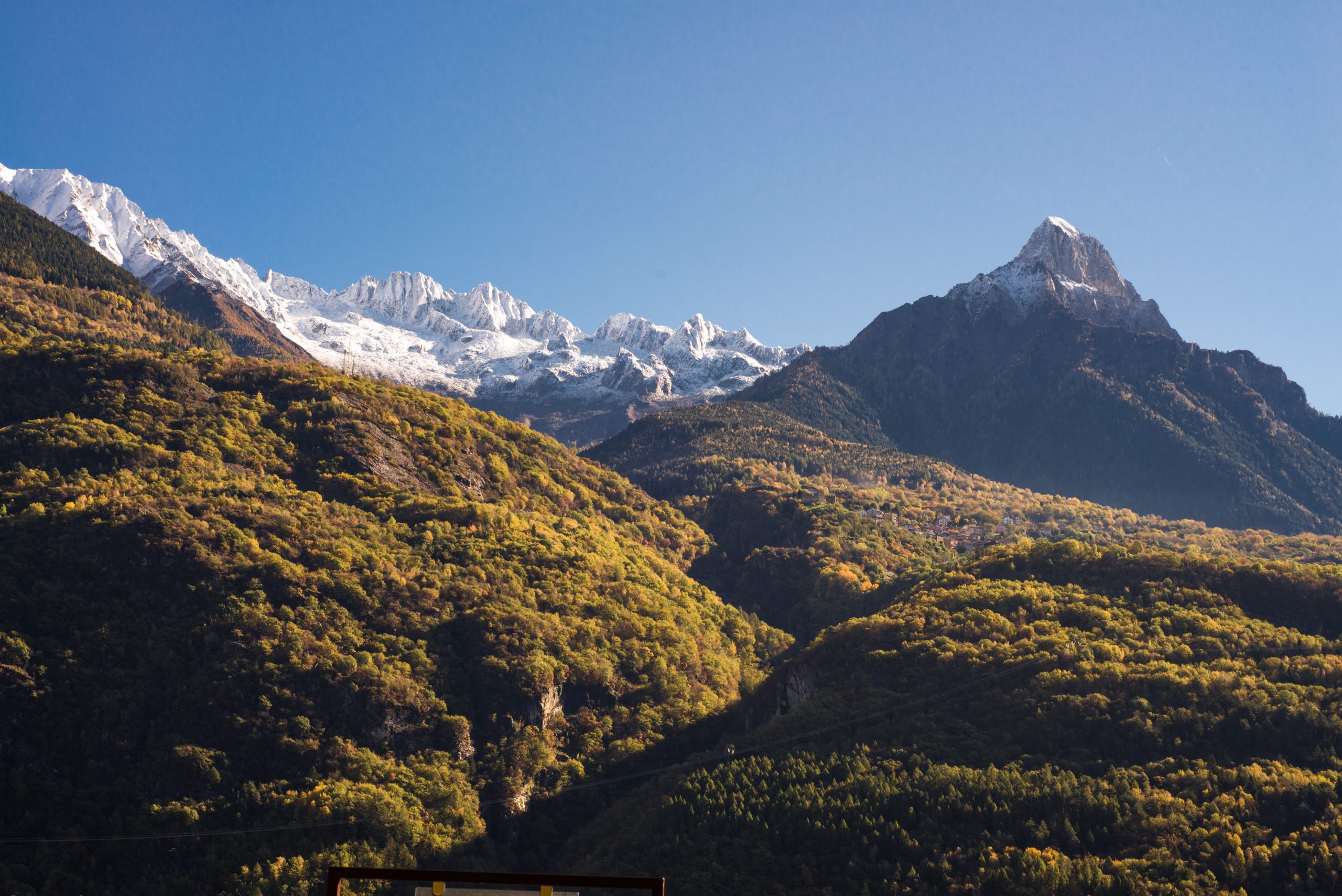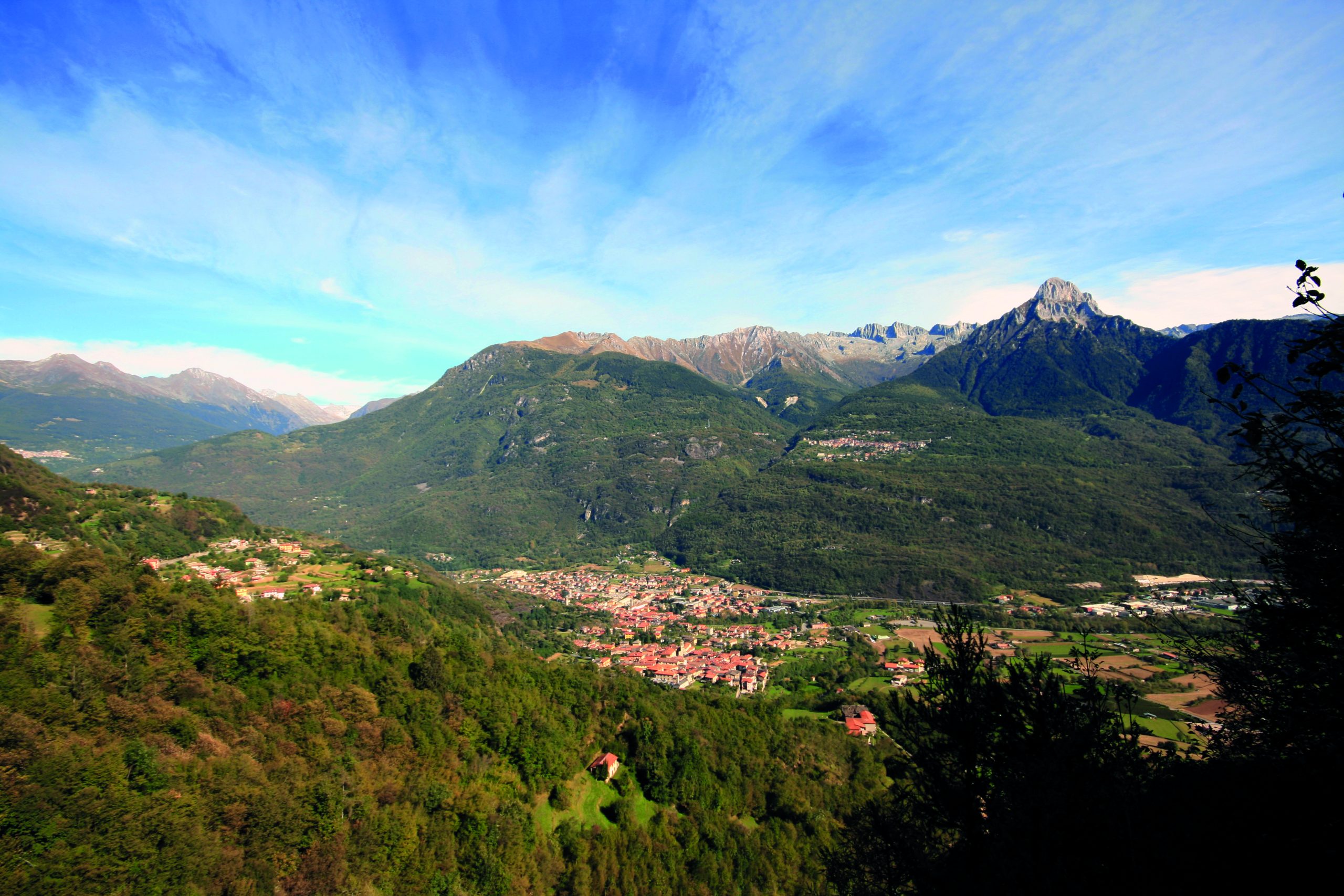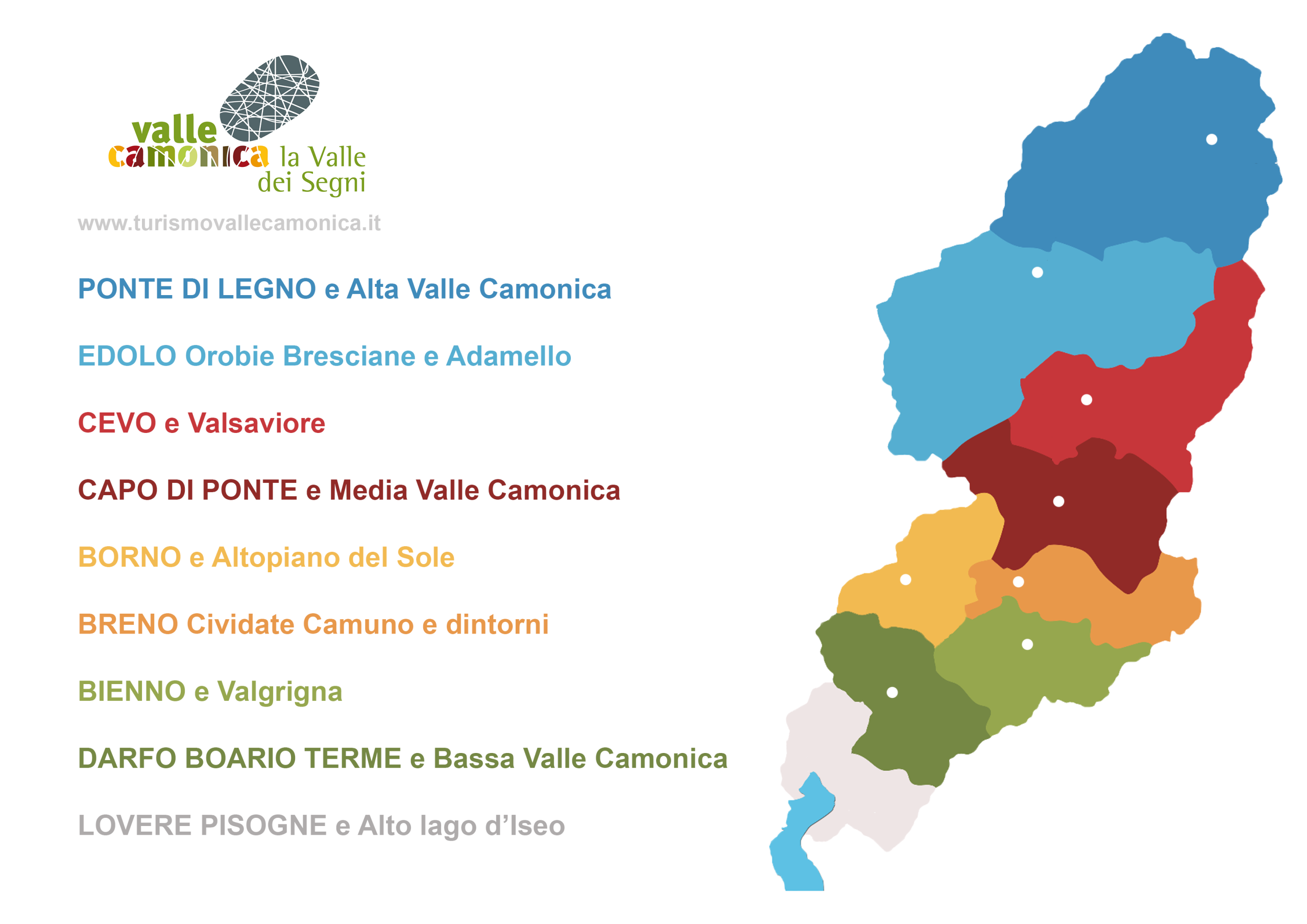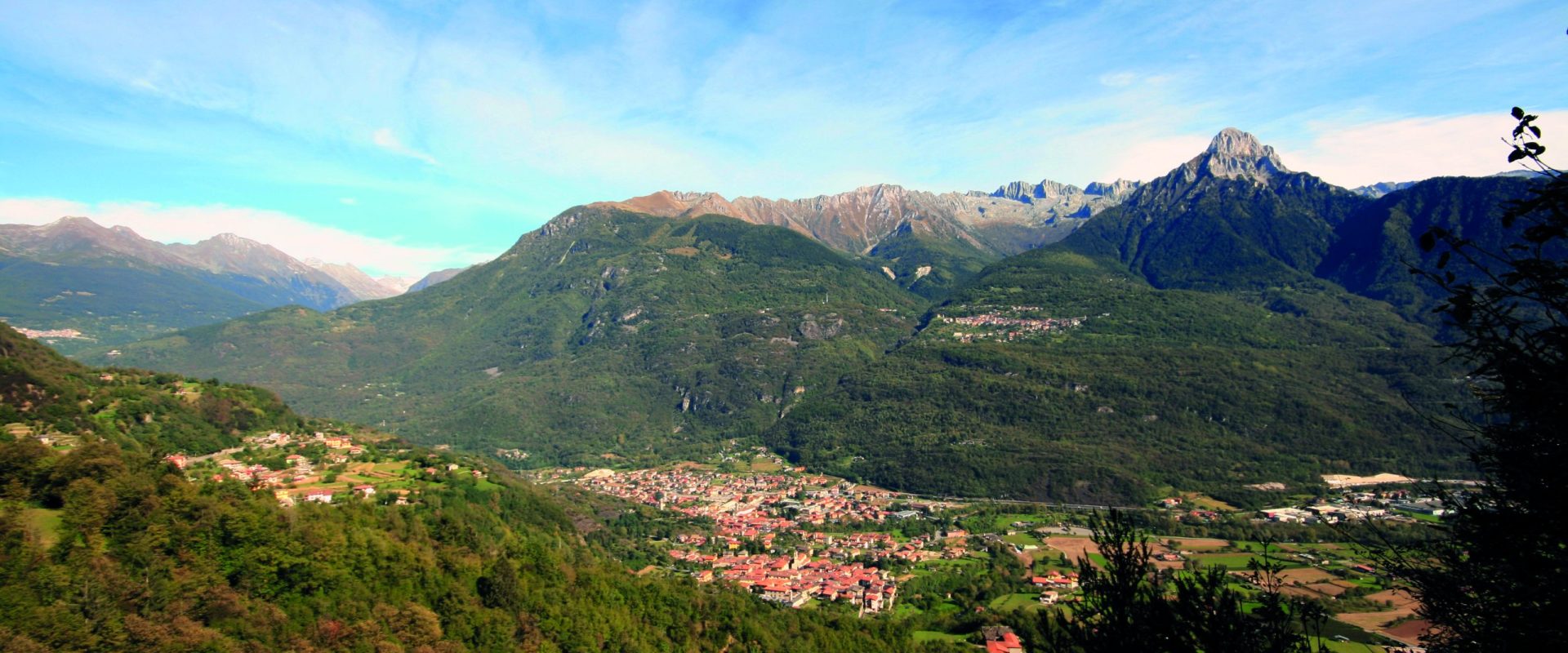
On the border between Lombardy and Trentino, in the heart of the Alps, lies Valcamonica: a valley stretching for almost 90 km, traversed along its entire length by the upper course of the River Oglio.
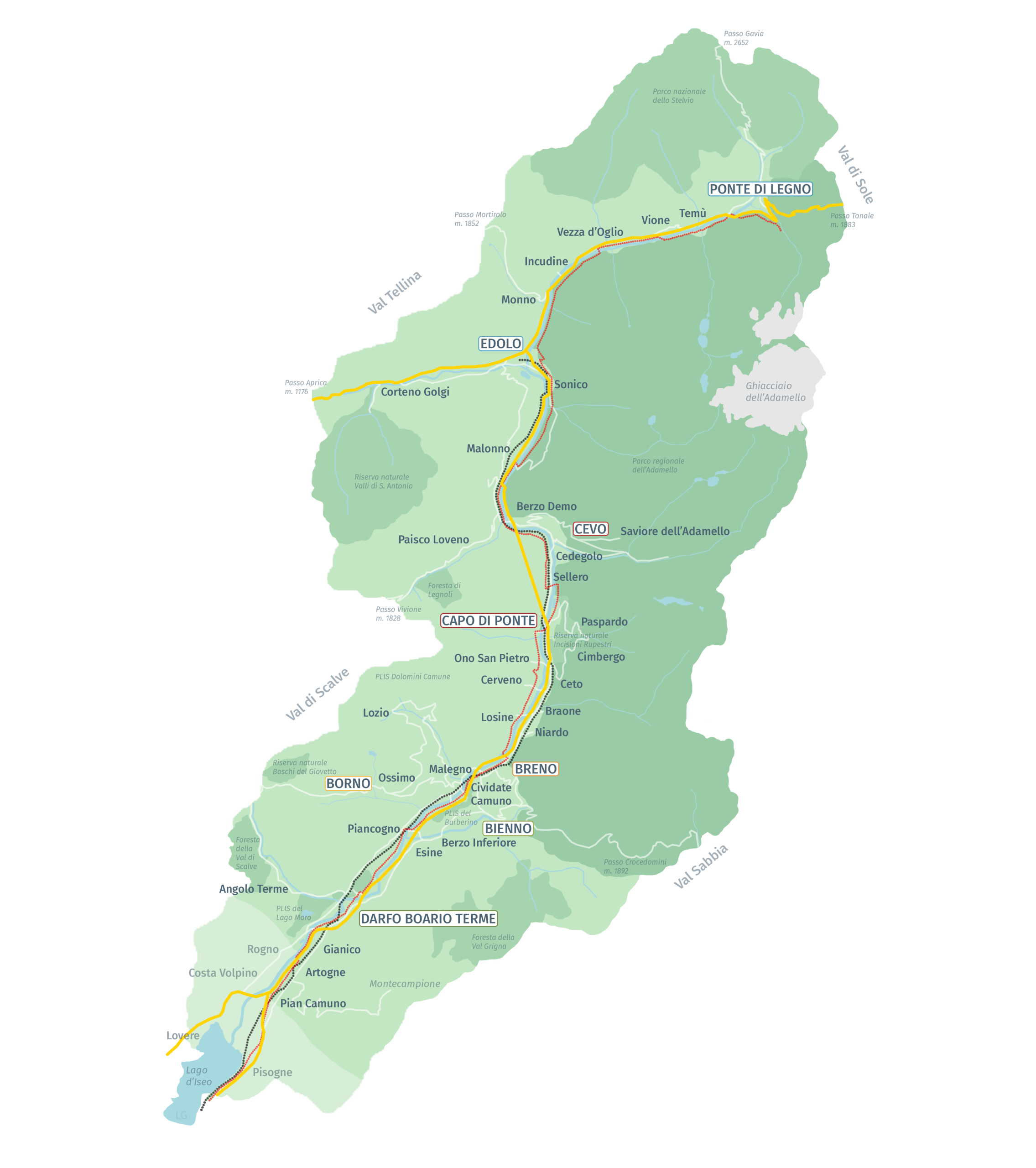
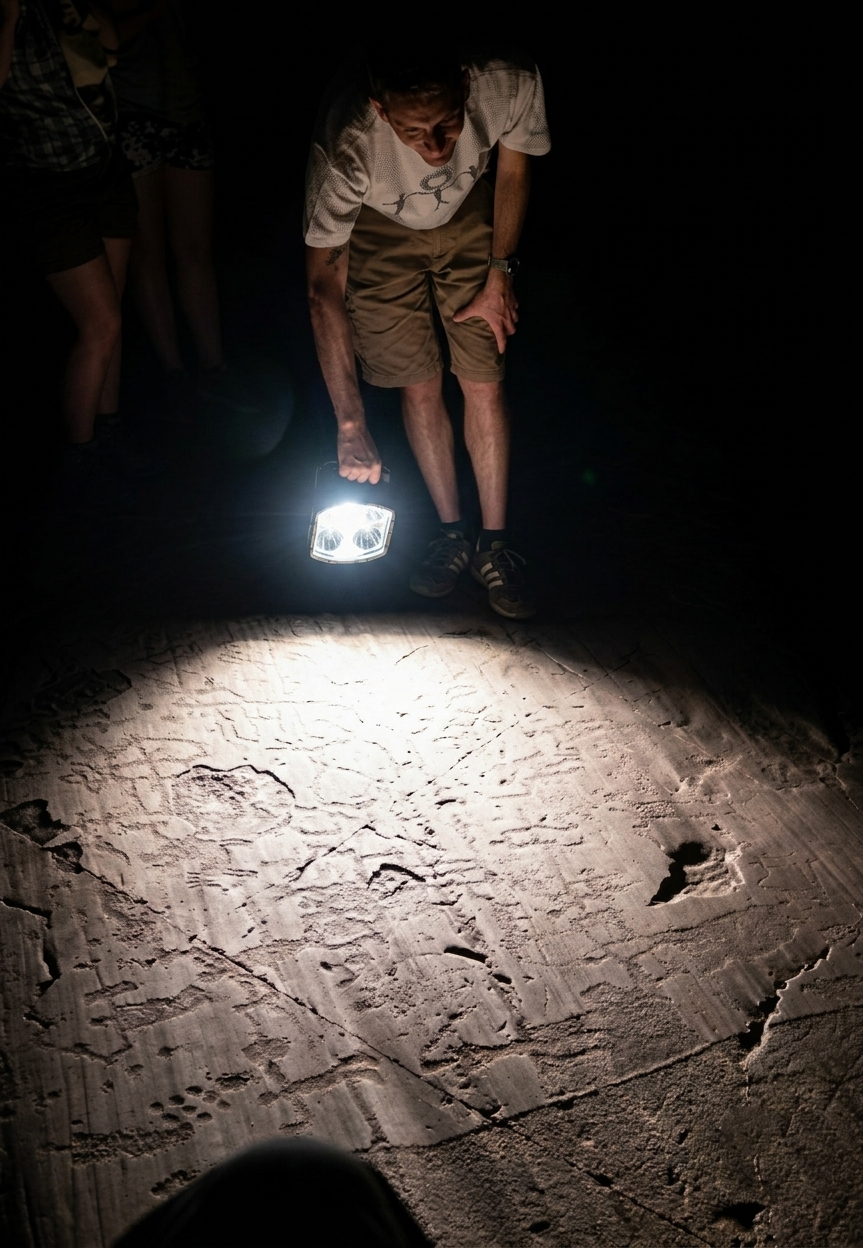
A region with an exceptionally ancient history, inhabited by humans since prehistoric times, as testified by the thousands of rock engravings carved into stone. The Roman-period remains are also of particular interest, mainly concentrated around Cividate Camuno, where the Camunni people built a fully fledged Imperial-era city, complete with baths, domus (Roman townhouses), sanctuaries, a forum, a theatre and an amphitheatre.
Castles, towers and ancient churches bear witness to the medieval era in this valley. Local history intertwines with the legend of Charlemagne in the heart of the Alps, unfolding through the conflicts between the Empire and the city-states, the Guelphs and Ghibellines, noble lordships and Republics.
From the early 15th century until the late 18th century, Valcamonica became part of the Republic of Venice, after having been under the rule of the Visconti of Milan for most of the 14th century.
The 19th century was a period of great change: the valley passed through the various states established during the Napoleonic era before becoming part of the Kingdom of Lombardy–Venetia. In 1859, it became part of the territories ruled by the House of Savoy, which shortly afterwards went on to unify Italy. Once it became a border area with the Austro-Hungarian Empire, the valley was a theatre of warduring the First World War,particularly during the so-called (White War) fought in the Alpine mountains.
 The valley has received two UNESCO recognitions: the Rock Drawings in Valcamonica, designated in 1979 as the first Italian site to be included on the prestigious World Heritage List, and the MAB Biosphere Reserve, recognised in 2008 for promoting a balanced relationship between people and the environment through biodiversity conservation and sustainable development practices.
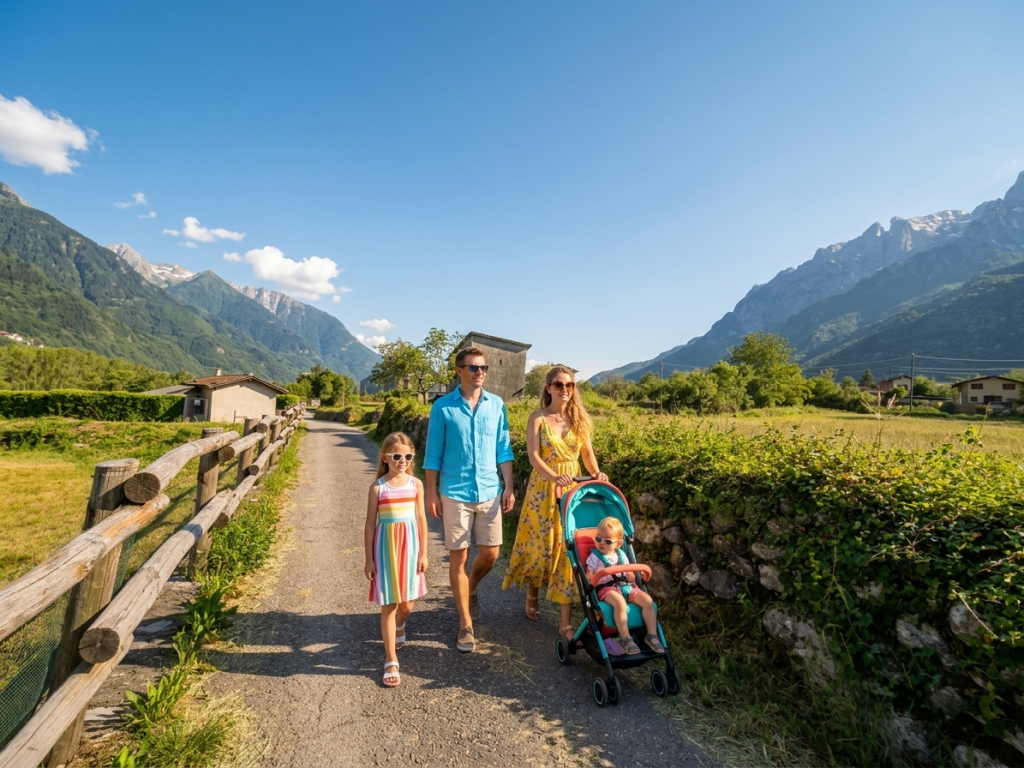
Exploring Valcamonica on foot or by bicycle means enjoying a unique experience among woodlands, meadows, pastures and charming villages, while journeying through thousands of years of history. From outdoor activities to moments of relaxation in the warm thermal waters, every opportunity is perfect for discovering the region and savouring the authentic culinary traditions of the mountains.
The Middle Camonica Valley is the heart of this region, where nature, ancient history and local traditions intertwine.Around Capo di Ponte, a succession of villages unfolds, rich in historical heritage and surrounded by captivating landscapes.
 Nestled in a panoramic setting surrounded by lush chestnut groves and dense woodlands, Paspardo is a true balcony overlooking the Middle Camonica Valley and one of the key sites of UNESCO-recognised rock art. Its territory, located within the Ceto, Cimbergo and Paspardo Rock Engravings Nature Reserve, encompasses extraordinary archaeological areas such as In Vall-Castagneto, Sottolaiolo, Plas-Dos Costapeta and Deria-Vite.
Here, as you walk along picturesque trails immersed in the tranquillity of nature, you can admire thousands of petroglyphs carved into the rock, bearing witness to millennia of human history and spirituality.
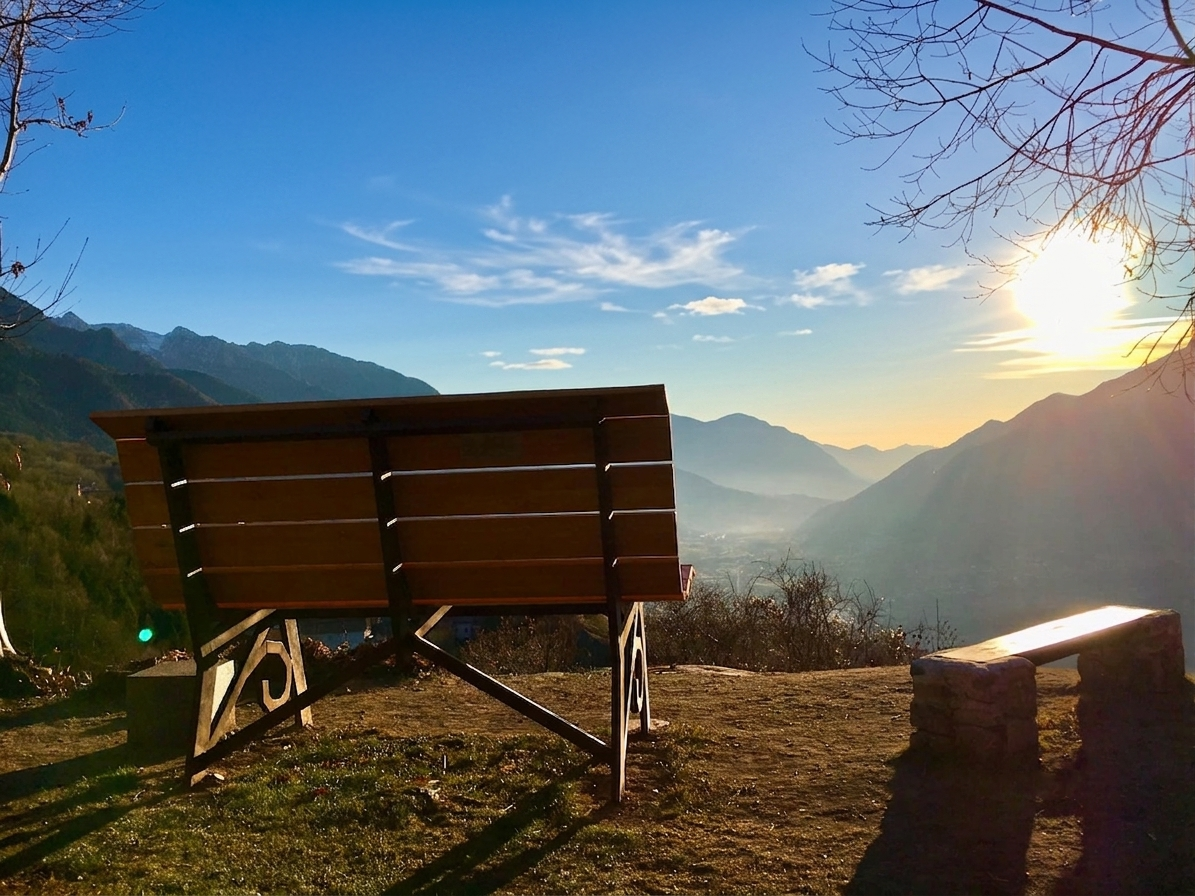
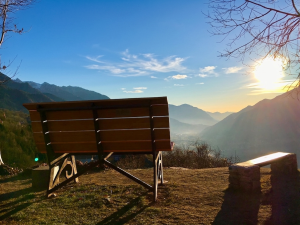
The village’s attractions also include the Adamello Park Wildlife Centre and the panoramic Big Bench, an ideal spot to enjoy a refreshing break while taking in the views across the valley.
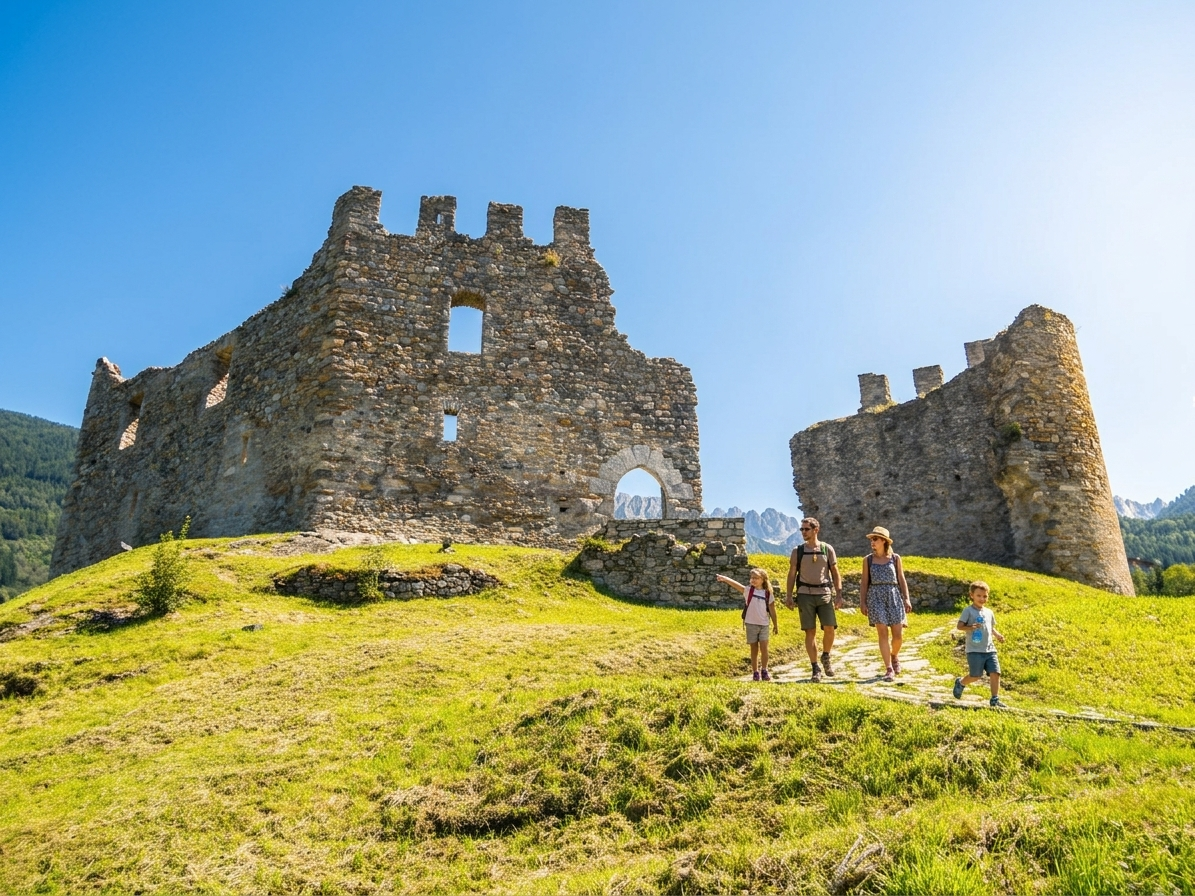
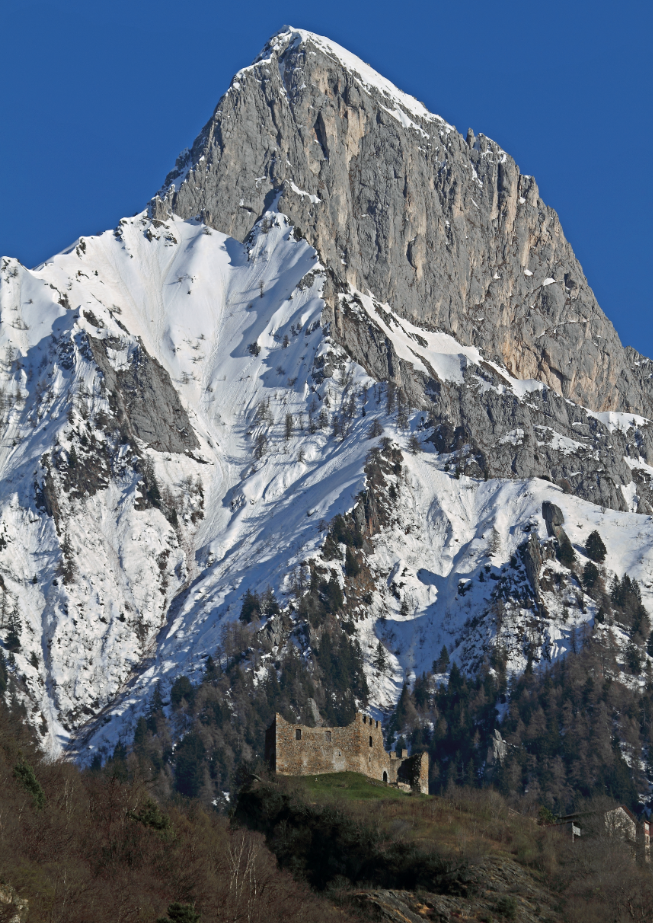
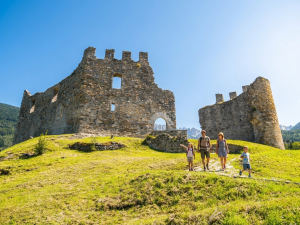 Nestled among majestic mountain peaks and dominated by the remains of its imposing medieval castle, built from the 12th century onwards, Cimbergo offers a perfect blend of history and archaeology. The village is renowned for the Campanine UNESCO site, an area of exceptional significance where the rock engravings not only bear witness to prehistoric times but also extend into later periods, featuring a remarkable wealth of historical and medieval carvings.
Its privileged location makes it an ideal starting point for unforgettable excursions, including trails leading to the enchanting Conca del Volano and the climbing cliffs towards Pizzo Badile Camuno.
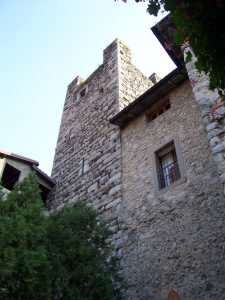 In the heart of the municipality of Ceto lies the hamlet of Nadro, considered one of the most fascinating gateways to Camunian rock art. Here you will find the renowned UNESCO site of Foppe di Nadro, featuring an immersive educational trail with reconstructions of prehistoric dwellings that allow visitors of all ages to travel back in time.
The village’s connection with history continues in Nadro’s historic centre, where the distinctive 13th-century medieval tower stands tall as a proud symbol of local historic architecture.
For nature lovers, Ceto also offers wonderful opportunities for walks in the nearby unspoilt Valpaghera and Val Doissui, where visitors can explore trails and paths dating back to the First World War.
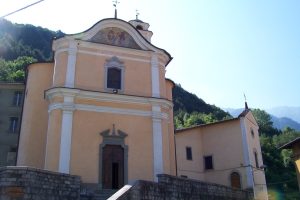 A peaceful and elegant village nestled at the foot of the mountains, Braone retains the charm of its noble and rural past. Its historic centre was once adorned with ancient manor houses, such as the historic Casa Griffi, featuring elegant stone doorways and Gothic windows that bear witness to the village’s centuries-old heritage.
The parish church of Santa Maria della Purificazione is the village’s artistic centrepiece, preserving valuable frescoes and altarpieces.
For nature and outdoor enthusiasts, the surrounding area offers wonderful walks through the Foppe di Braone, to the famous Salt del Rebét waterfall and into the lush Val di Stabio, a peaceful oasis ideal for hiking and trekking.
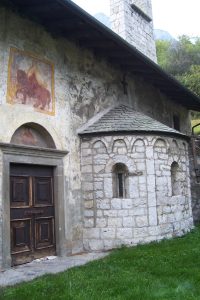 A small and picturesque village spread across sunny, panoramic slopes, Losine is an ideal destination for those seeking history and traditional food and wine experiences. The village’s architectural heritage includes the parish church of the Sacred Heart, alongside the old parish church of San Maurizio, as well as the small church of Santa Maria in Castello, which preserves traces of a Romanesque apse and ancient frescoes.
Losine’s true pride and joy, however, is its viticulture:the terraced vineyards, carefully cultivated along the valley slopes, produce renowned local wines, making the village an excellent destination for wine tastings and winery visits.
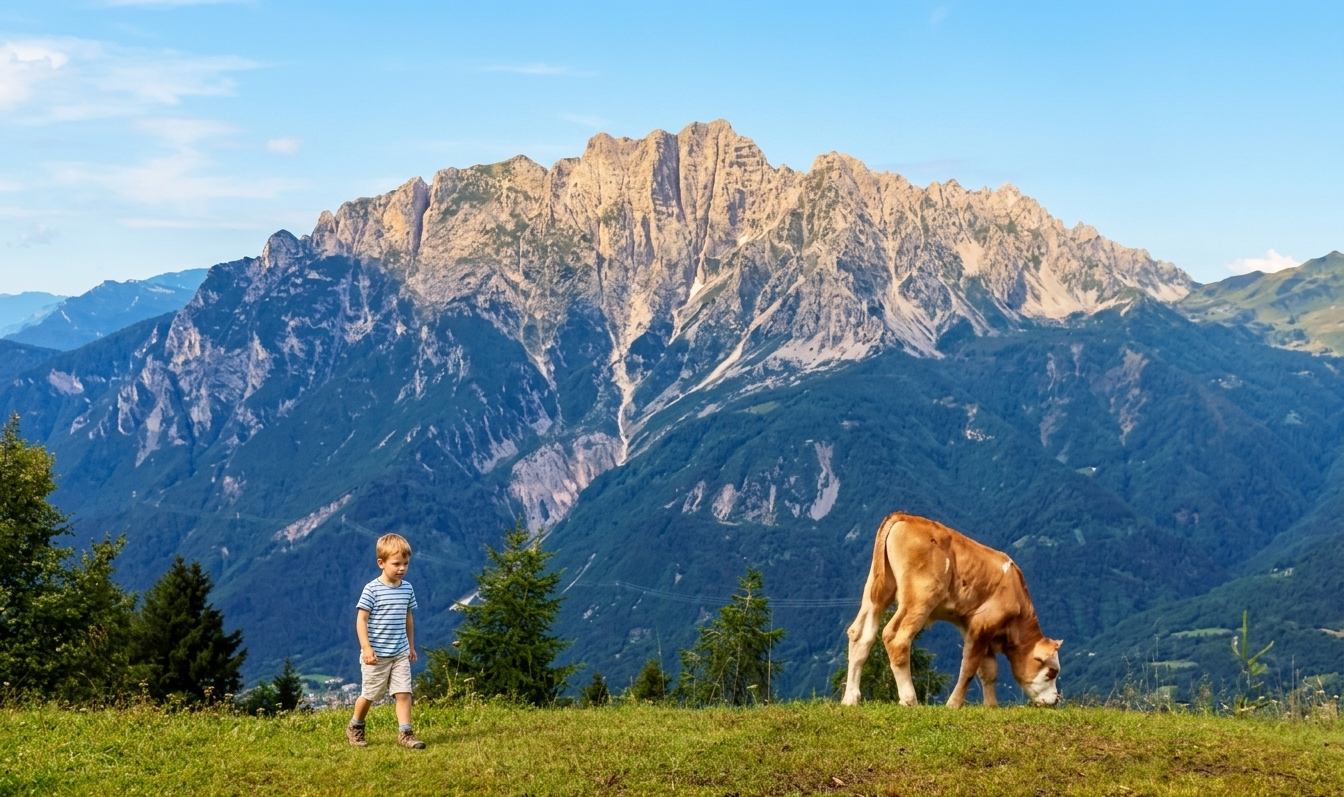
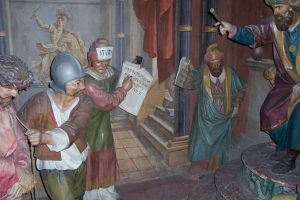 Situated at the foot of the majestic limestone cliffs of the Concarena, Cerveno is a village rich in charm and spirituality. Its most precious treasure is theSanctuary of the Way of the Cross, located next to the parish church of San Martino, which houses an extraordinary collection of almost two hundred life-size wooden statues dating back to the 18th century. This invaluable work of art forms part of the great tradition of the Sacred Mountains of Lombardy and Piedmont.The community’s heritage also lives on in the Museum House), a cultural space dedicated to preserving and showcasing local rural traditions and craftsmanship.
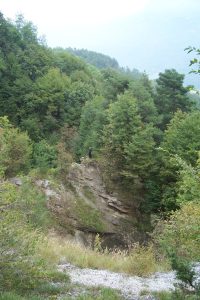 Nestled on a sunny, panoramic hillside at the foot of the majestic western face of theConcarena, Ono San Pietro (known as Do in the local dialect) is a village renowned for itsdolines (locally called biss), distinctive karst depressions and sinkholes that bear witness to the mountain’s fascinating geological history.The limestone quarried from the Concarena was used to produce lime in traditional kilns known as calchere. At the heart of the historic centre stands the parish church of Sant’Alessandro, while the small church of San Pietro is situated on a hillock to the north of the village.Ono San Pietro is also an ideal starting point for hikes and walks through terraced vineyards, woodlands and trails climbing towards the Concarena.