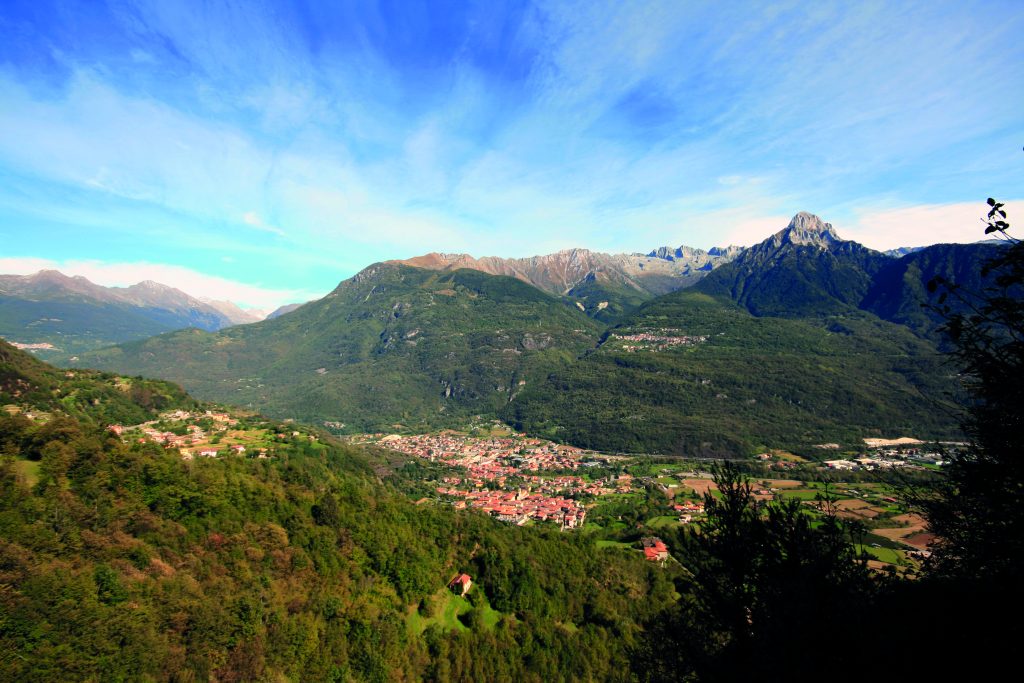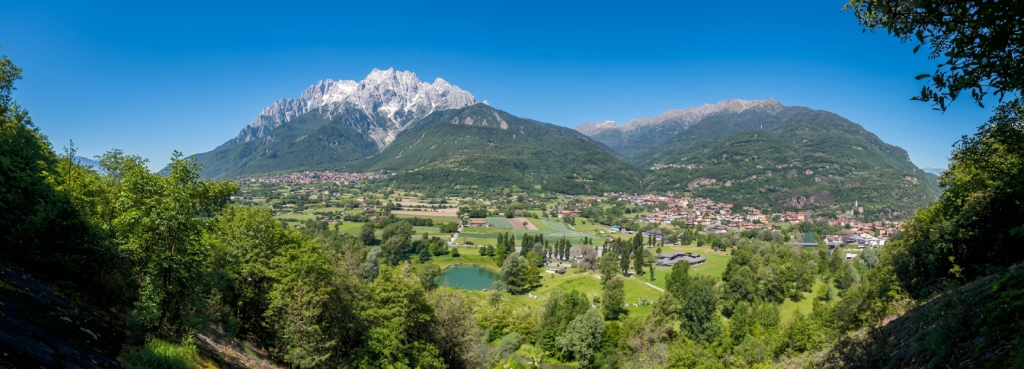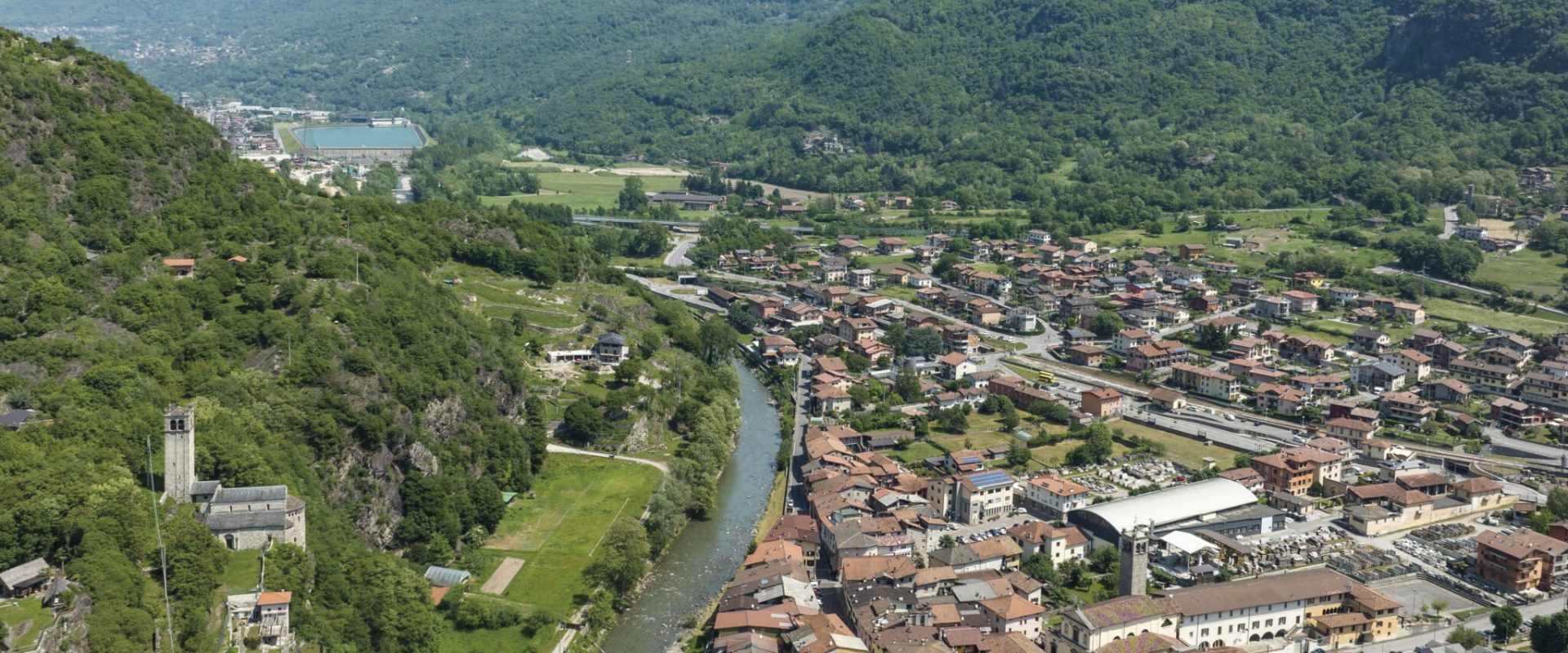
In the heart of the Middle Camonica Valley, nestled in a landscape where river and mountains meet, lies Capo di Ponte. Its history is deeply intertwined with the natural elements that have shaped its territory and made human settlement possible. On one side flows the River Oglio, while on the other rises a rocky ridge, along whose slopes stand the parish church of San Siro and the ancient village of Cemmo: an enduring dialogue between water and stone that continues to define the identity of this place to this day.
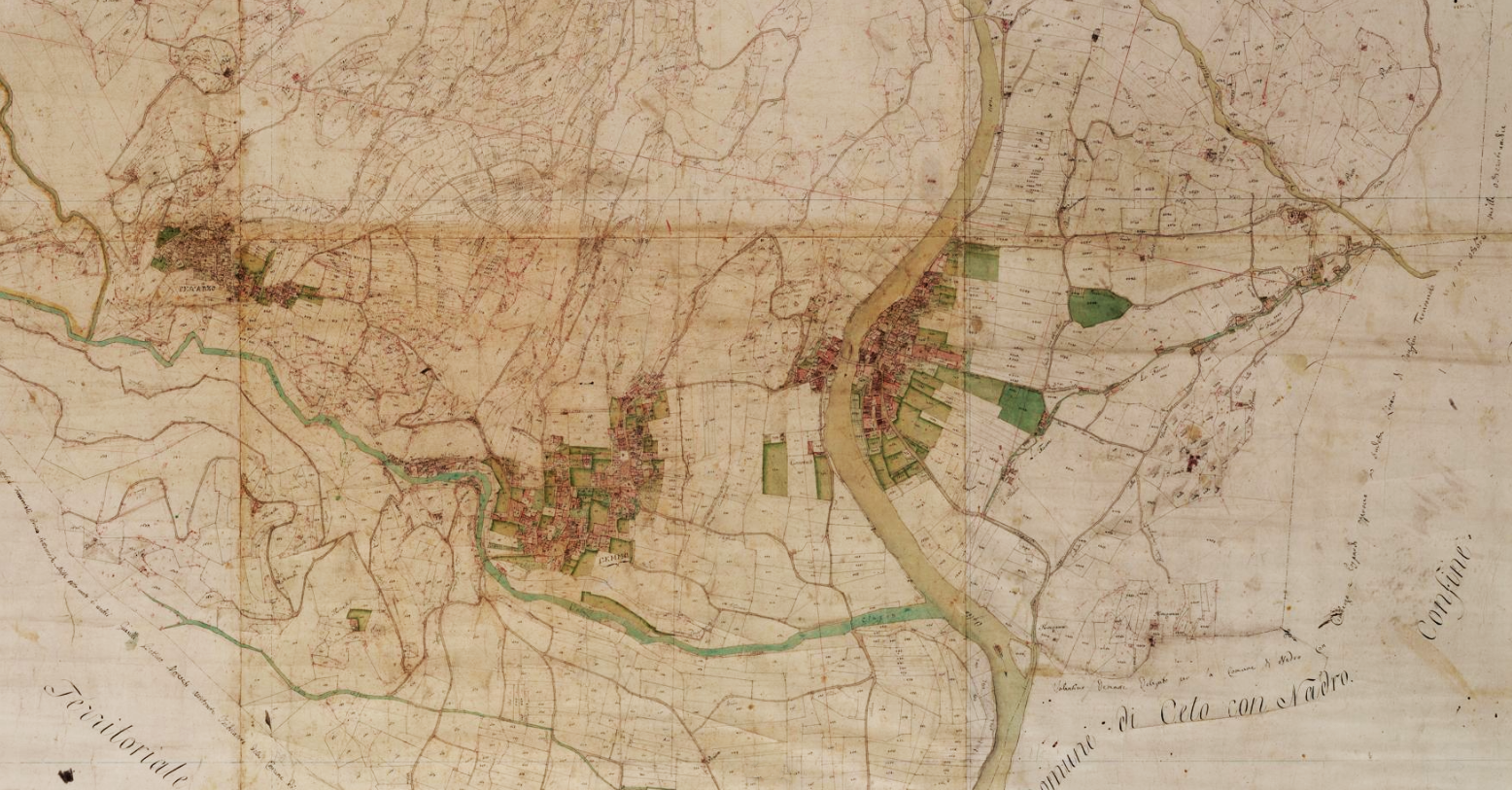
Human presence in this area dates back to prehistoric times. As early as around 4000 BC, groups of hunter-gatherers frequented these areas, attracted by the abundance of wildlife and natural resources. During the Iron Age, the discovery and exploitation of metal deposits encouraged the development of productive activities and trade with other communities.
It was within this context that the extensive heritage of rock engravings found throughout Valcamonica began to take shape, as prehistoric communities used these images to record their own vision of the world. Today, this extraordinary heritage is recognised by UNESCO as a World Heritage Site.
Capo di Ponte was already an important crossing point long before its settlement was established. Evidence of this role can be found in the church of San Martino, which stood alongside a hospice providing shelter for travellers, and in the bridge over the River Oglio, originally built of wood, which in medieval times connected the two banks of the river.
The historic centre of Capo di Ponte still retains its original layout, which developed along what is now Via Italia. Despite modern alterations, this street preserves the character of an ancient commercial thoroughfare, once bustling with the passage of people and carts and lined with fabric awnings sheltering the shops. Numerous traces of the past can still be seen among the façades, including historic doorways dating from different periods and featuring a variety of architectural styles.
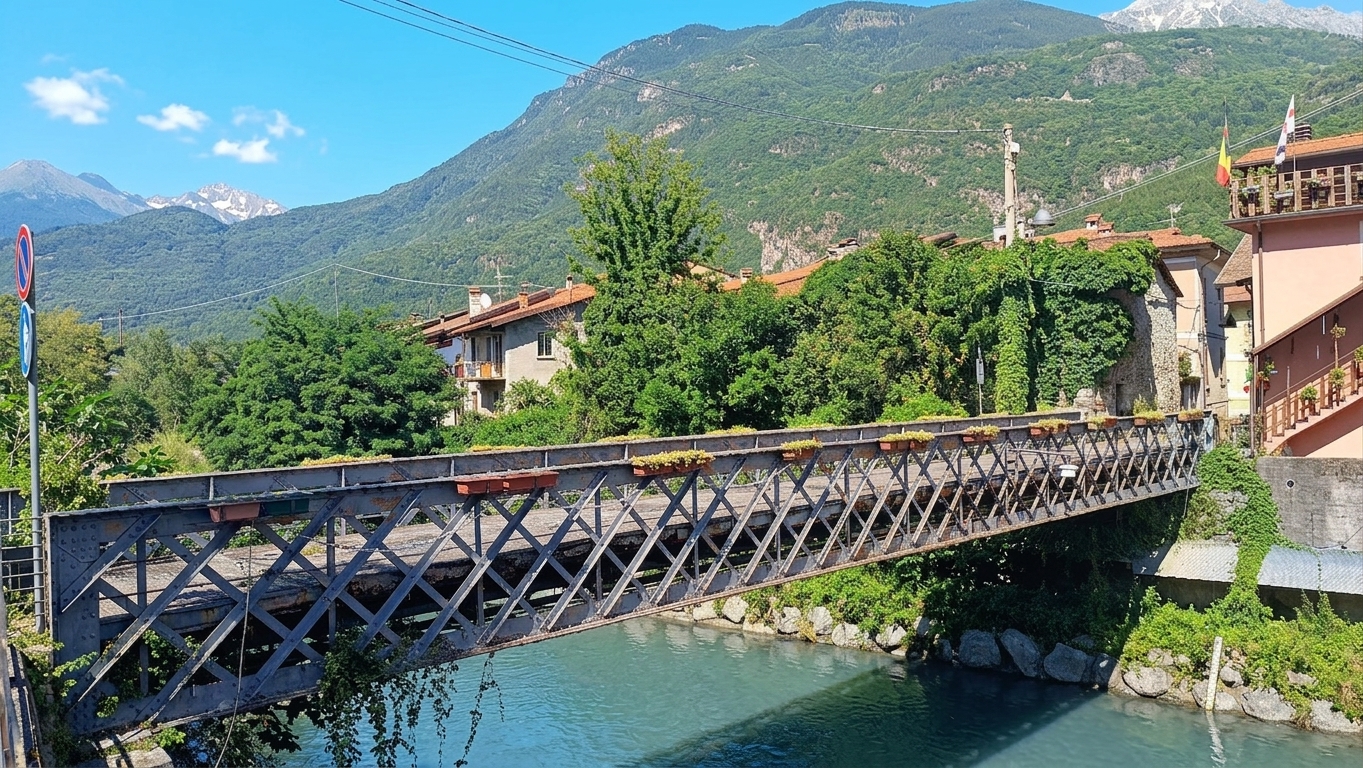
At the intersection of Via Italia and Via Briscioli lies Piazza Roma, perceived more as an open space and a thoroughfare than as a traditional square. The road leading across the bridge to the hamlet of Cemmo, one of the most picturesque corners of the valley, also converges here.
As the first inhabited settlement in the area, Cemmo was for centuries a central place in the history of Valcamonica. From the ancient presence of the Camuni people to the Middle Ages, when it became the seat of important administrative and judicial functions, the village gradually established itself as a key reference point for the surrounding territory.
Its growth was also encouraged by the processing of iron extracted from the nearby mountains, an activity that fuelled the economy of the most populous county in the valley. Today, surrounded by peaceful meadows and sweeping panoramic views, the village retains an atmosphere shaped by the presence of the historic Romanesque parish church of San Siro and a landscape that invites quiet contemplation.
.
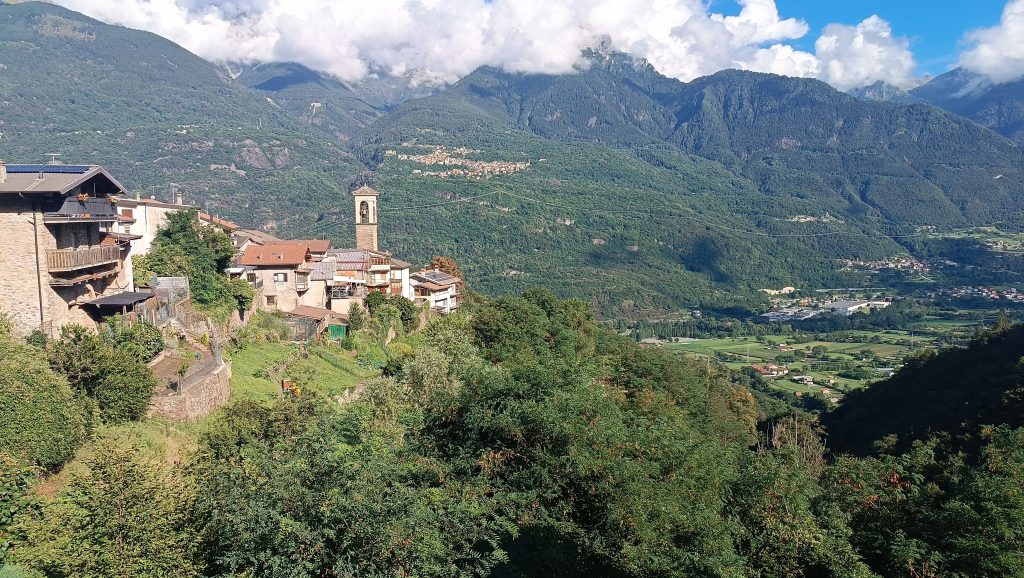
Further uphill, perched on the mountainside, the village of Pescarzo captivates visitors with its narrow stone-paved streets, arches and closely clustered houses. Strolling through its lanes feels like stepping into a timeless world, surrounded by intimate corners and sweeping views across the valley.
Capo di Ponte, Cemmo e Pescarzo compongono così un piccolo mosaico di paesaggi, storia e memoria. Tre luoghi diversi ma profondamente legati tra loro, dove la natura ha plasmato il territorio e l’uomo ne ha scritto la storia. Qui ogni passo invita a rallentare e a scoprire, con sguardo attento, l’autenticità della Val Camonica.