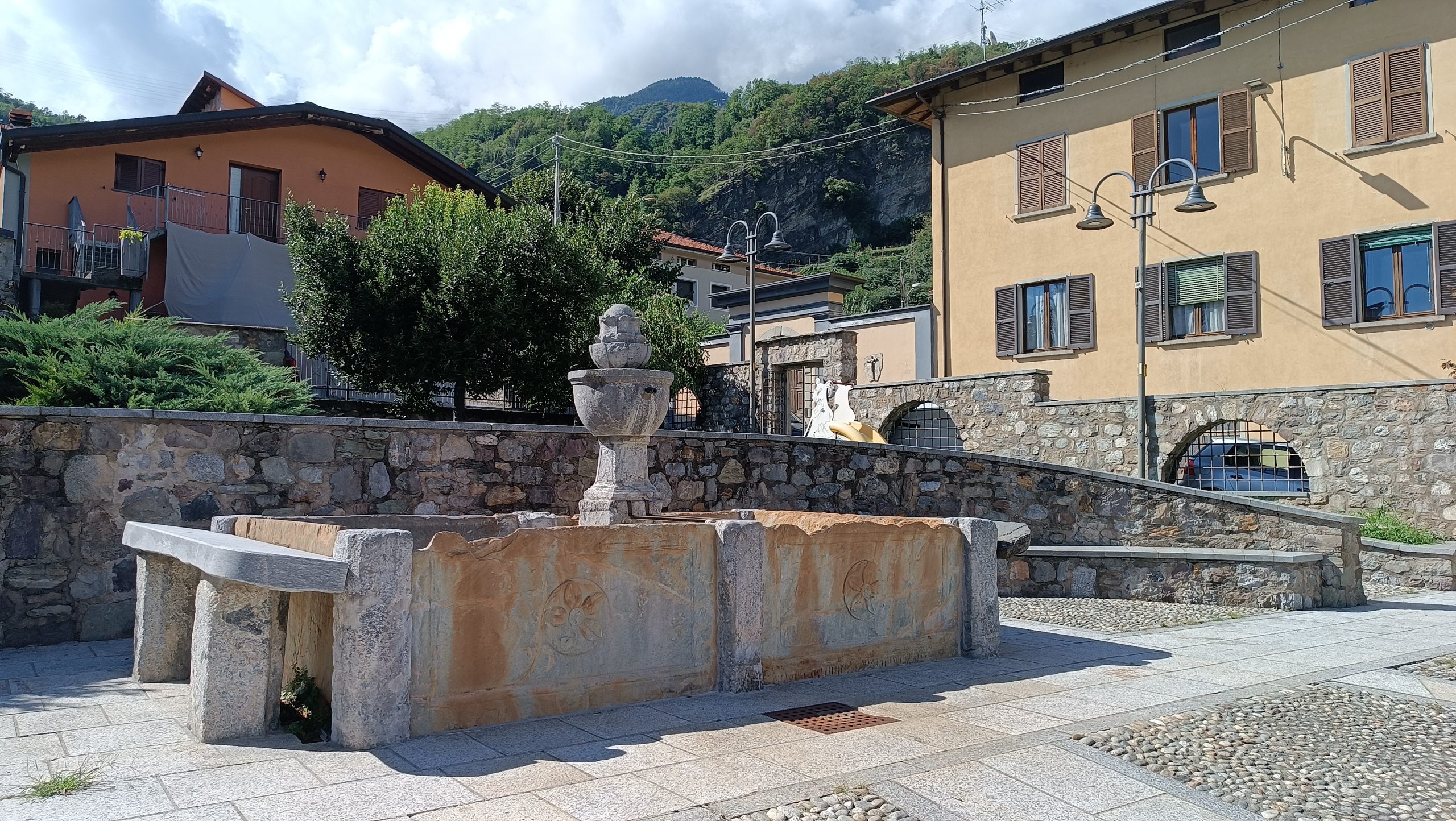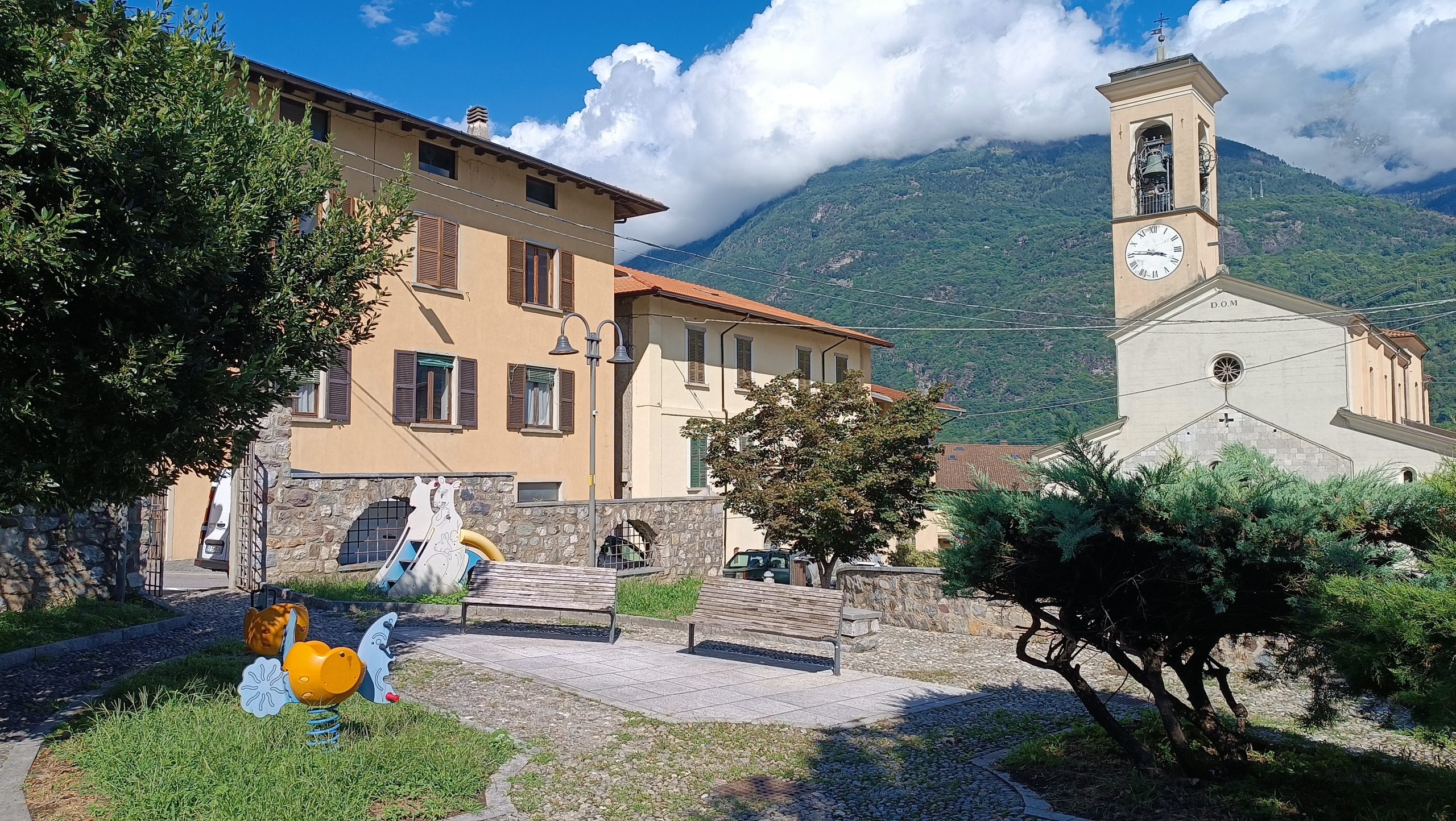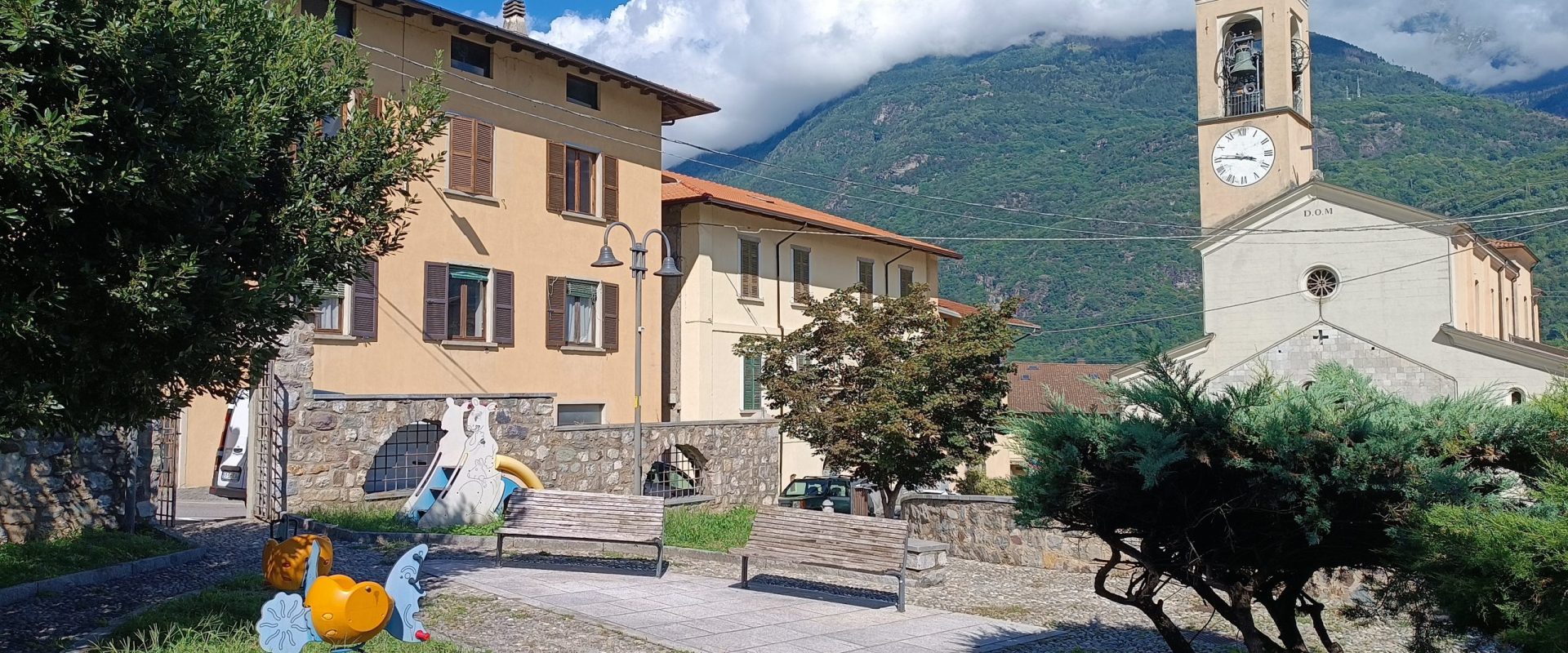
Cemmo is located at the geographical centre of Val Camonica and is a landmark ofgreat historicalsignificance, thanks to its exceptionally ancient past. It was here, in 1909, with the discovery of the famous Massi (Boulders) of Cemmo at Pian delle Greppe, that the rock engravings of the valley were first brought to light. Until the end of the eighteenth century, Cemmo served as the municipal administrative centre, before being superseded by Capo di Ponte.
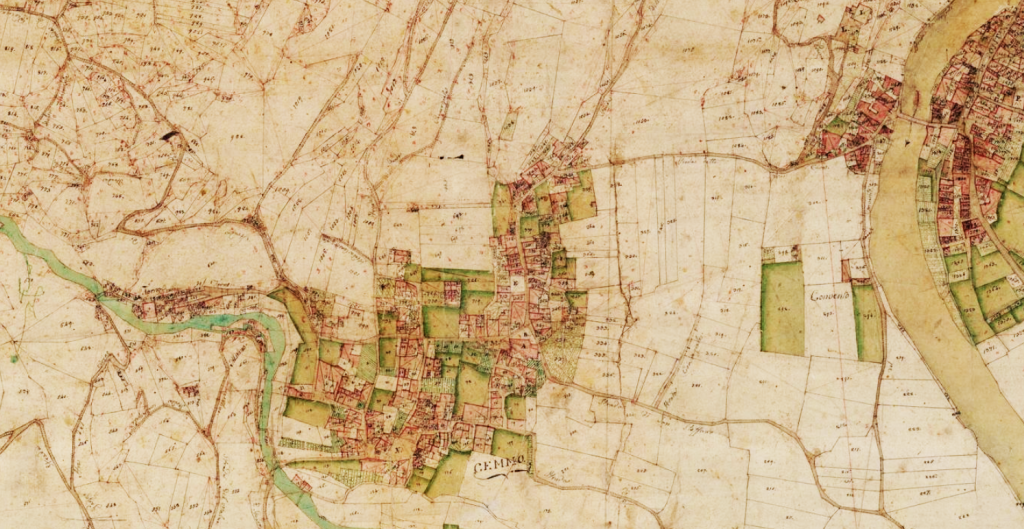
The importance and central role of this village in the local imagination are well illustrated by the historian Father Giammaria Gandellini of Cemmo, who, in 1686, went so far as to suggest that the village had given its name to the entire valley (“Camuna, almost Cemuna”), drawing a parallel with what had occurred with Teglio in Valtellina and Sabbio in Valsabbia.
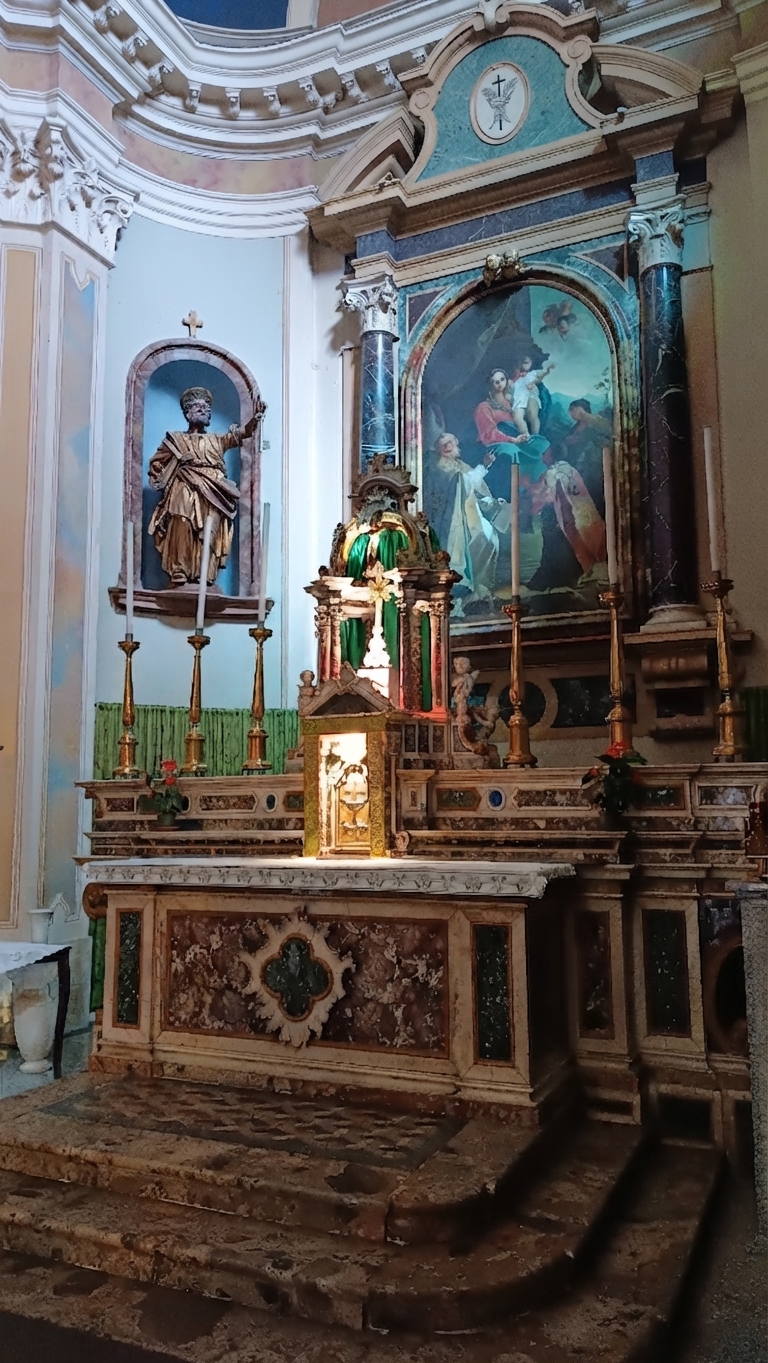
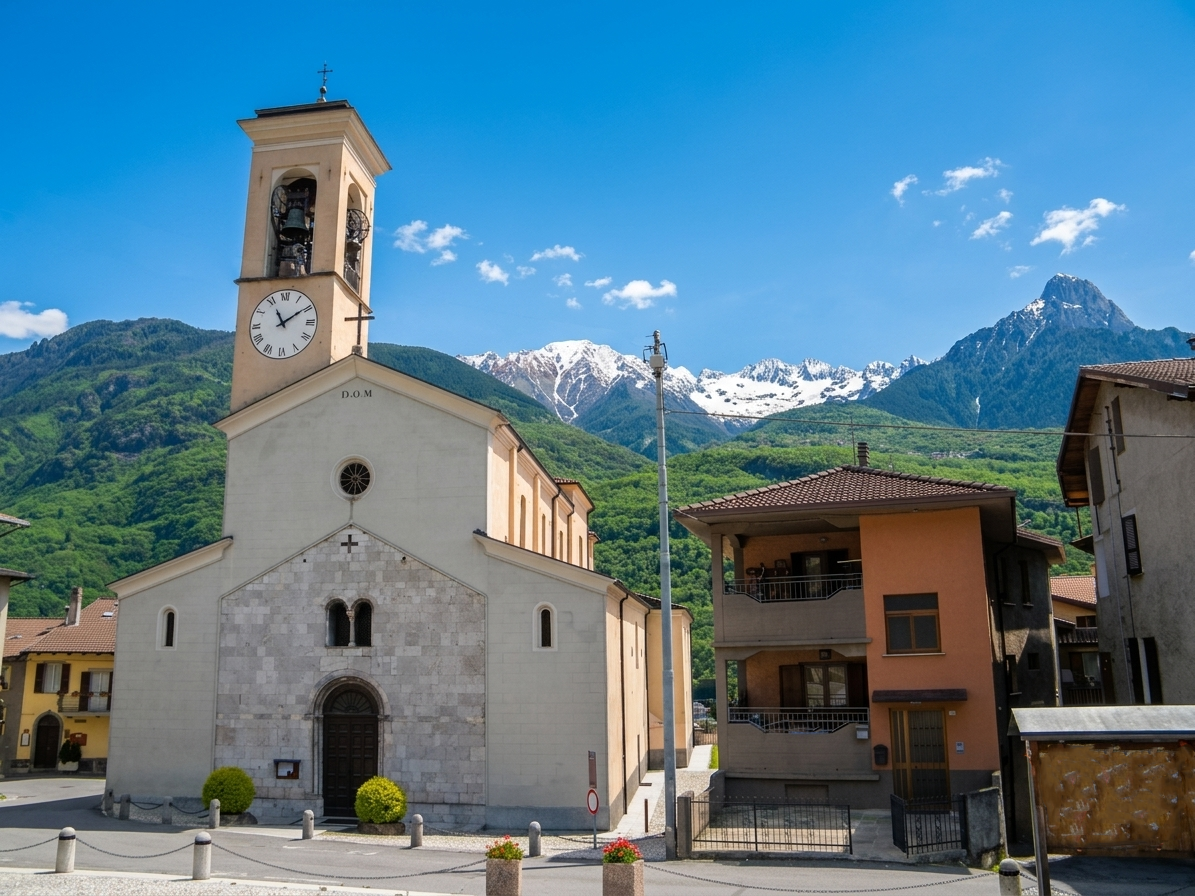
The history of the village is inextricably intertwined with that of the Parish Church of San Siro, an ancient mother church whose earliest documented evidence of worship dates back to the eighth century, although the present building reflects the Romanesque reconstructions carried out during the eleventh and twelfth centuries. At the foot of the entrance staircase, several engraved names can be found, dating back to the Early Middle Ages (sixth–seventh centuries).
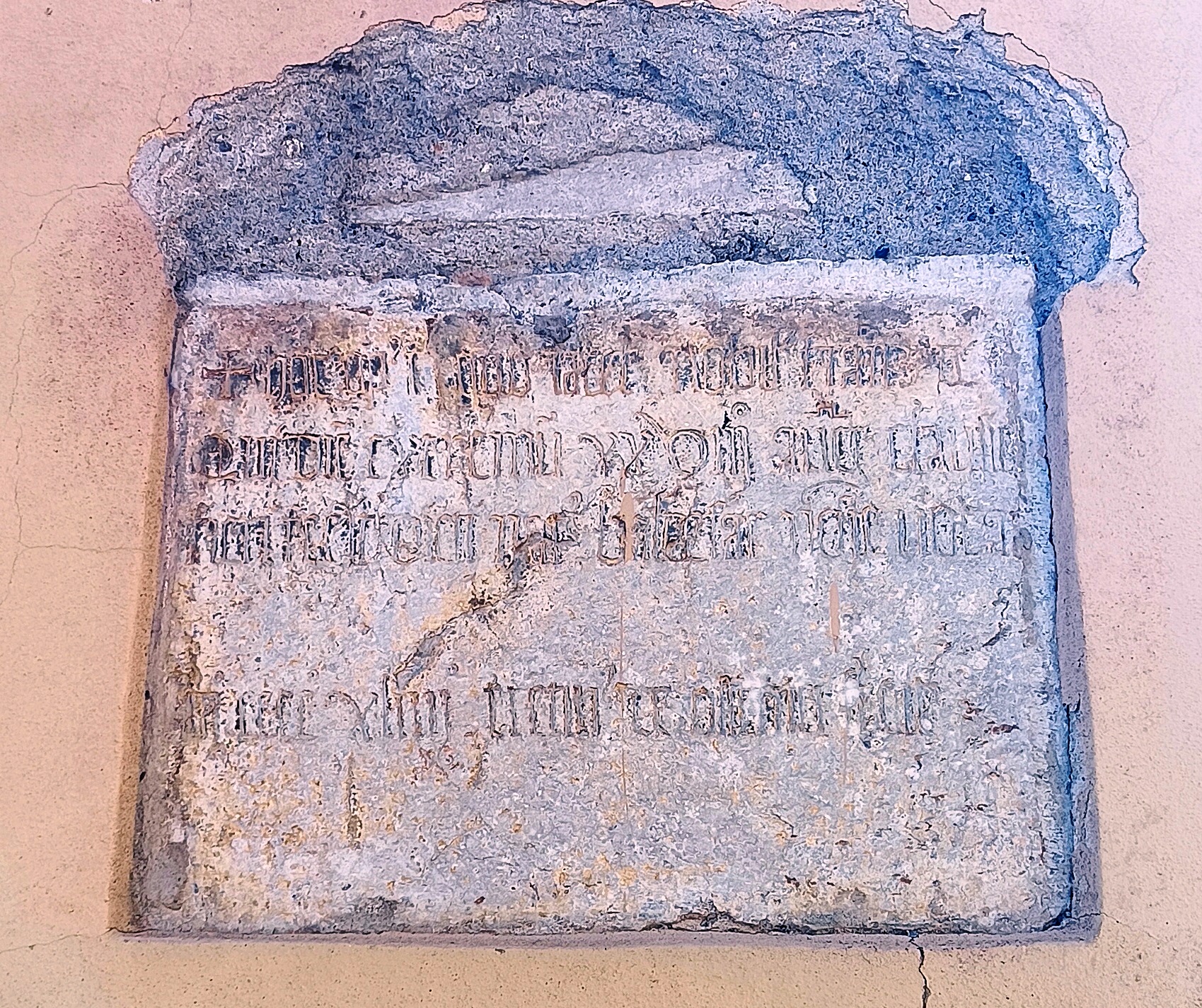
An exceptional twelfth-century inscription is also preservedat the parish church, commemorating the destruction of Milan ordered by Frederick I Barbarossa and its subsequent reconstruction:
“Hoc magistri doctoris iuris Oberti MCLXIII sacro die dignone captum est mediolanense a Federico imperatore et a Lombardis MCLXVII reedificatum est”
(Translation: “This text belongs to Master Oberto, Doctor of Law: on the sacred day of 1163, the Milanese dignone was captured by Emperor Frederick, and in 1167 it was rebuilt by the Lombards.”)
The structure of the ancient episcopal court also included a castle, now disappeared, which guarded the crossing over the Oglio River in the Réla district. The fortress, mentioned in the 1299 in the work
Designation by Berardo Maggi, Bishop of Brescia, had already been destroyed by the mid-fifteenth century.
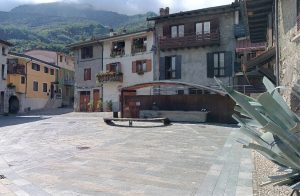 Around the mid-thirteenth century, a community of Humiliati settled in Cemmo, establishing a place of worship dedicated to Saint Bartholomew. Comprising a mixed brotherhood of men and women, the community played a key role in the agricultural and financial management of the area until the suppression of the order in 1571.
At the beginning of the fifteenth century, the local Della Torre family was granted the title of Counts of the County of Cemmo and Cimbergo by the Dukes of Milan. In 1430, the Republic of Venice confirmed Count Bartolomeo da Cemmo in his title. However, following his subsequent rapprochement with Milan, the Venetian Republic declared him a rebel and stripped him of his title.The rights to collect tolls on the bridge were therefore transferred first to the renowned military commander Bartolomeo Colleoni (Solza, 1395 – Malpaga, 1475), and subsequently to the Misericordia institution of Bergamo, which retained the proceeds until 1793.
 Political and social life was dominated by prominent local families. Among them, the Franzoni family stands out, having been active as episcopal tenants as early as the thirteenth and fourteenth centuries and producing leading figures such as Baldassarre Franzoni, Consul of Cemmo and Valley Mayor in the late fifteenth century.
In the seventeenth century, much of the Franzoni family’s property and prestige passed to the Bazzini family, who arrived from Lovere following a series of matrimonial alliances involving Camilla Franzoni and her descendant Adorno Bazzini, a knight in the service of Ranuccio Farnese, Duke of Parma.
In the modern era, a branch of the Venetian patrician Priuli family also settled in Cemmo.
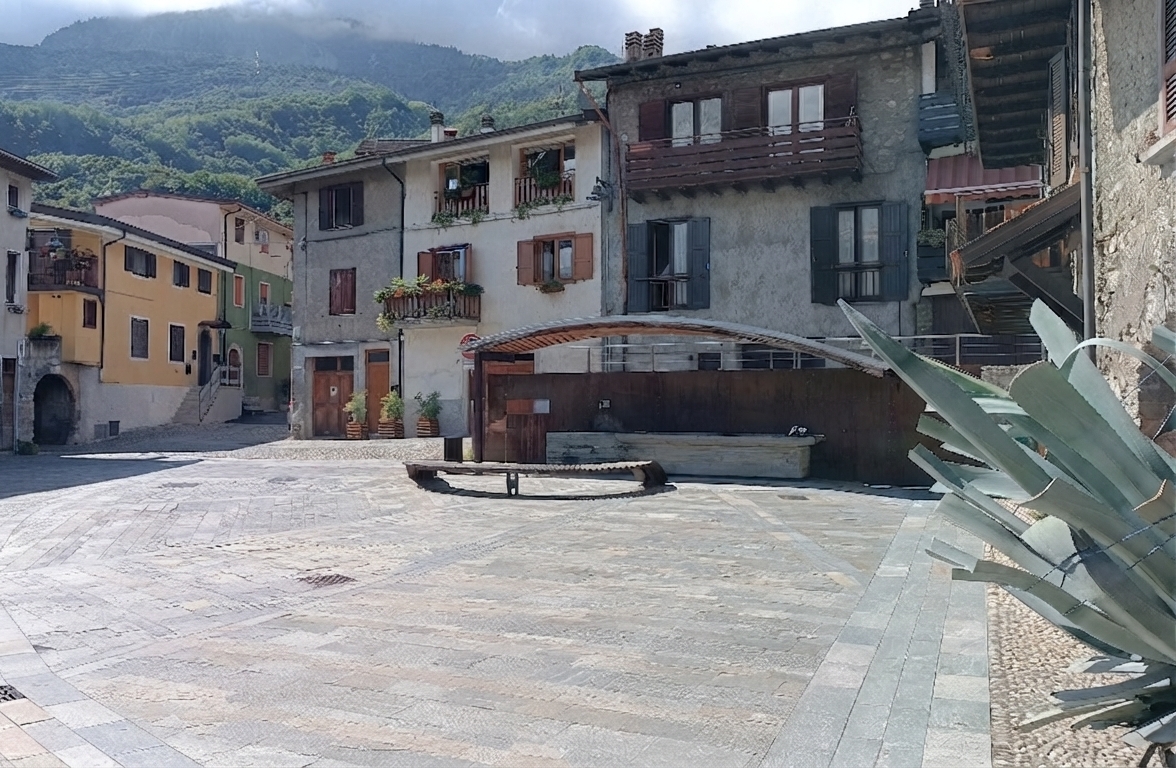
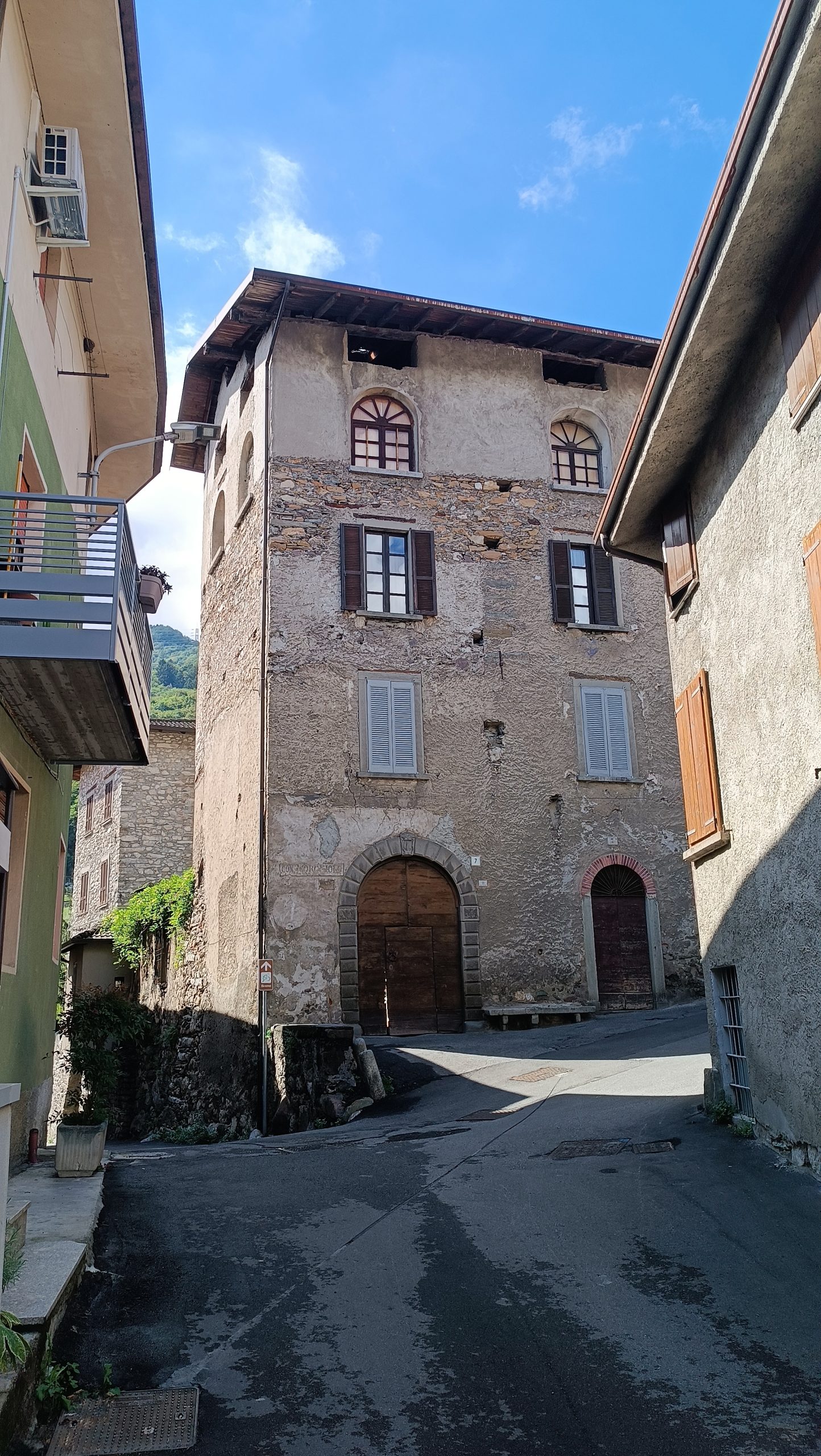
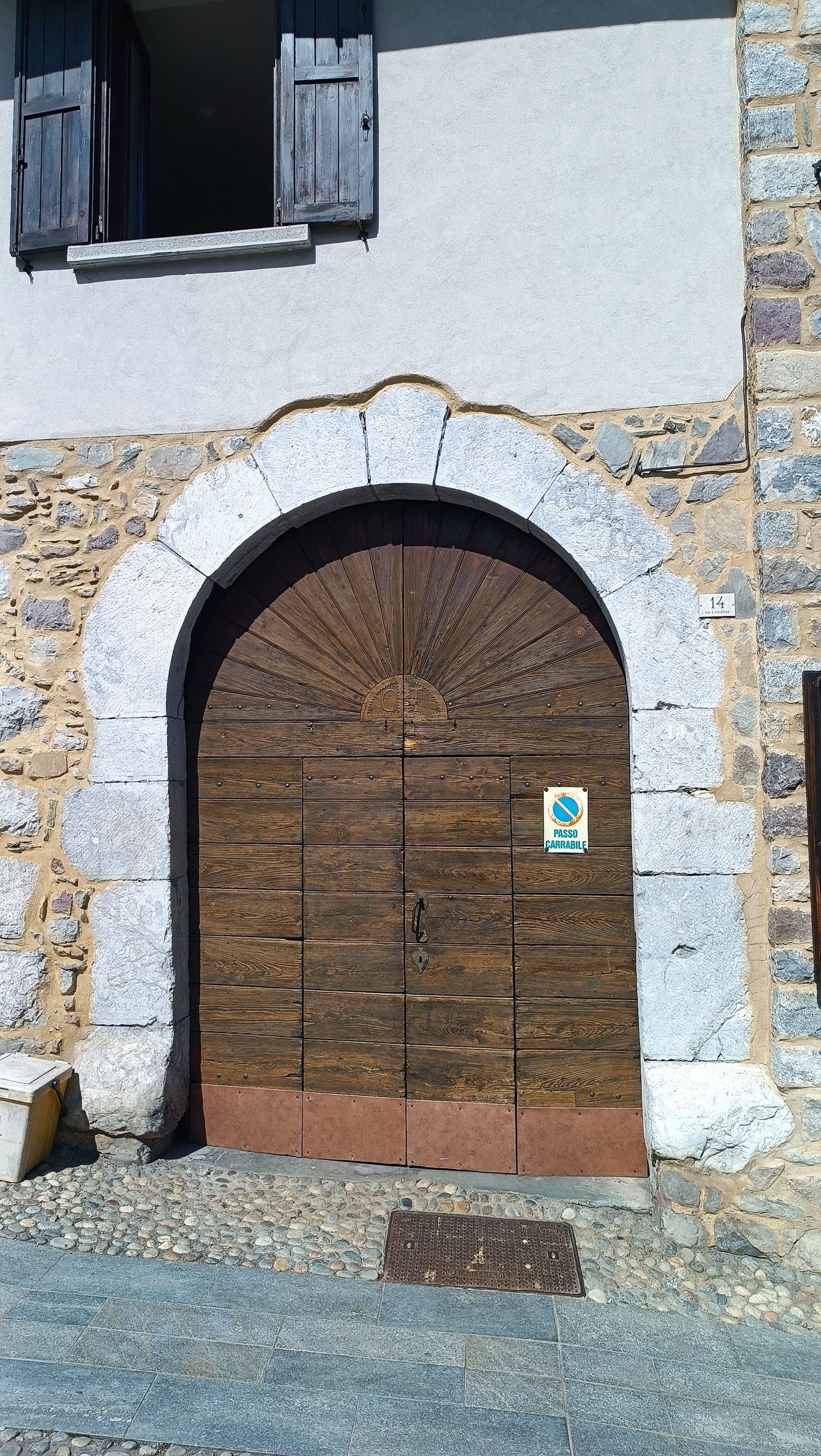
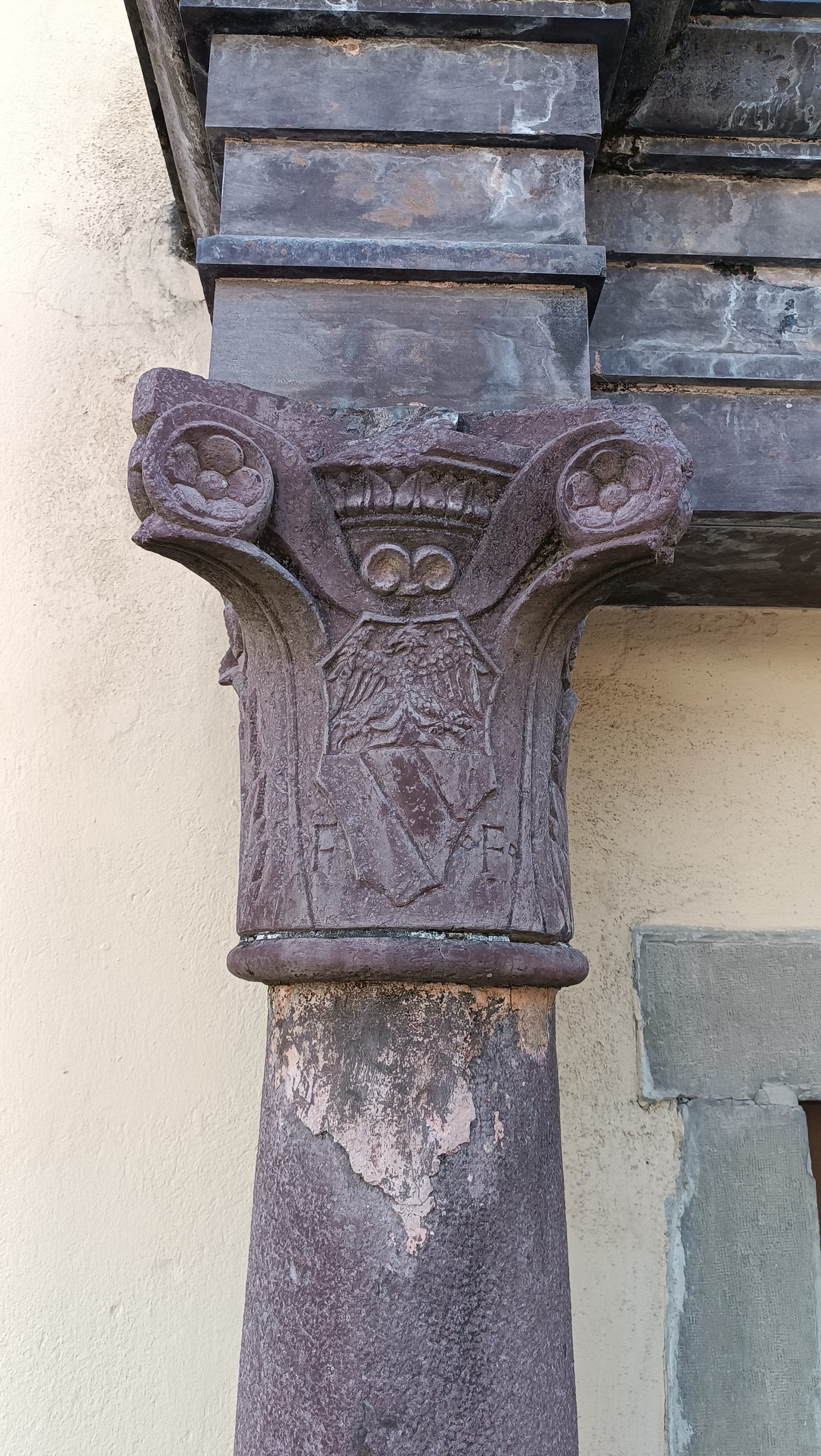
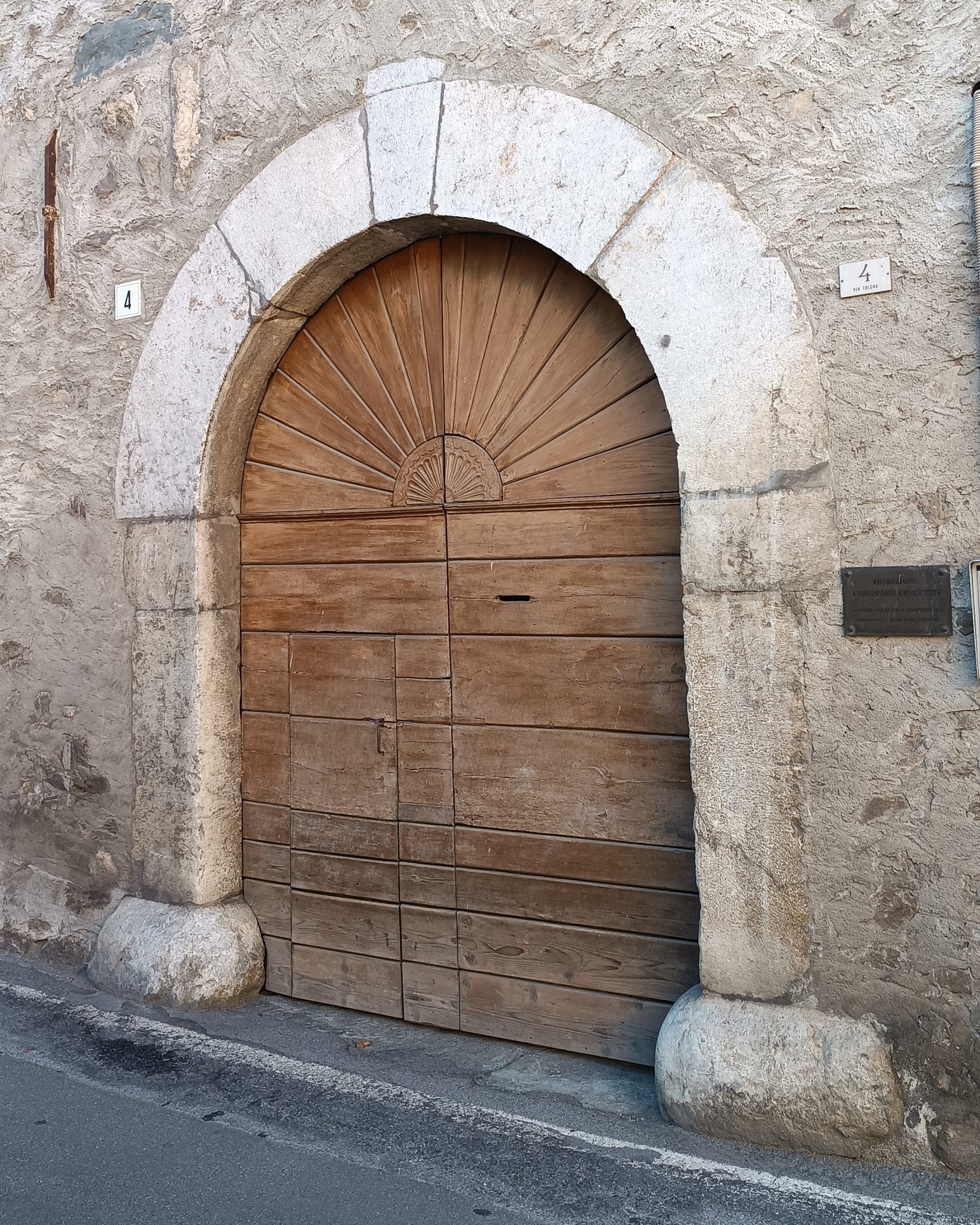
The urban layout of Cemmo still bears witness to the village’s rich history, with its intricate division into neighbourhoods and elegant stately residences. One of the settlement’s distinctive features is its numerous white stone portals dating from the fifteenth and sixteenth centuries.
In the 1744 cadastral records, Casa Zitti, Casa Bazzini and Casa Visnenza stand out for their high assessed property values. Casa Zitti, originally belonging to the Franzoni family, retains decorative features from the early sixteenth century. Over the years, it passed into the hands of the Griffi and Ricci families before being purchased in 1856 by Dr Felice Zitti of Lovere.
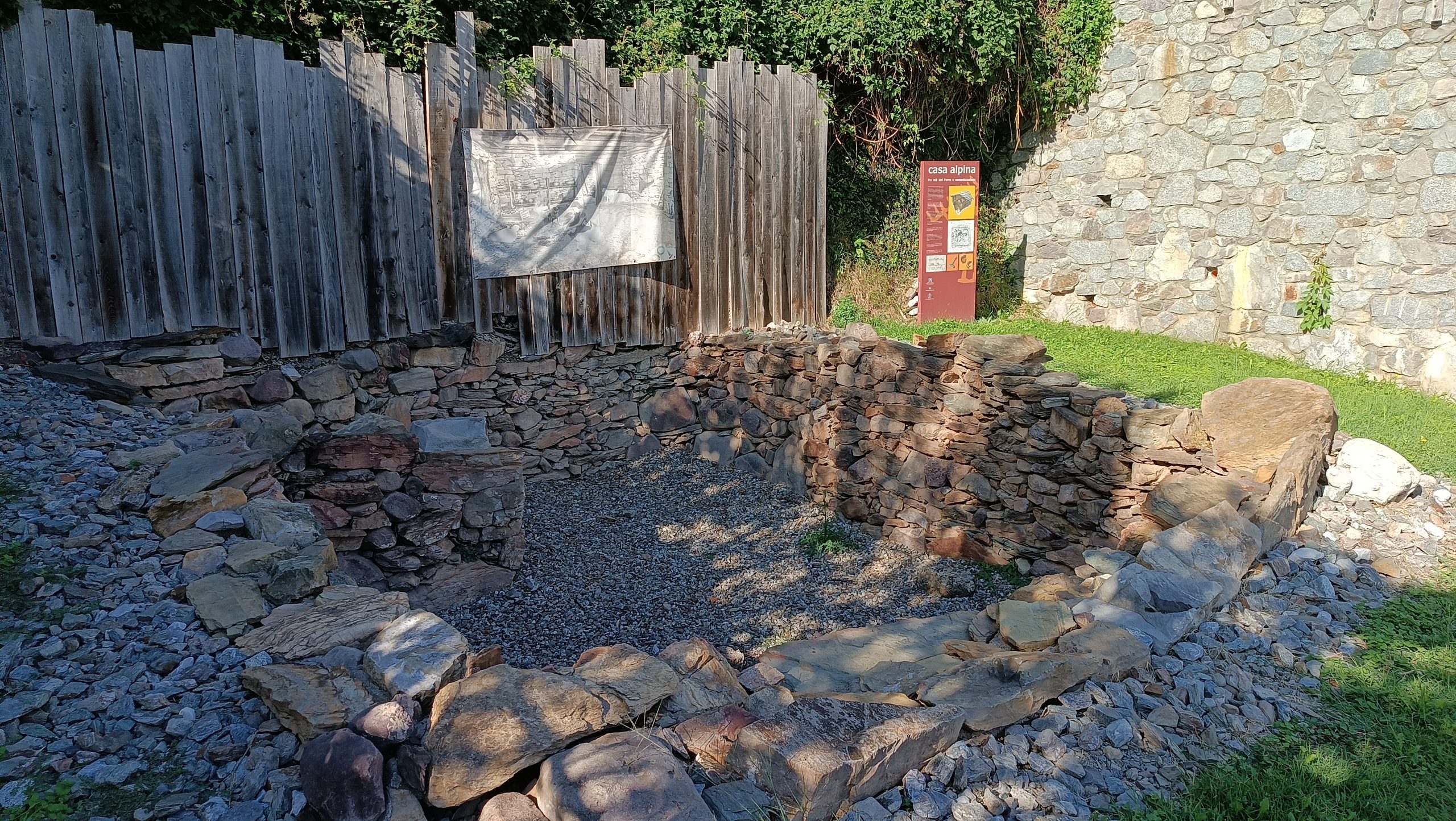
In the eighteenth century, the village developed a strong ironworking tradition with the construction of a large smelting furnace in 1760. The industrial facility was modernised in 1810 and remained in operation for over a century, until its definitive closure in 1883. Today, visitors can admire the surviving remains of the structures in the upper part of the village.
The nineteenth century marked a major turning point in the spiritual and educational life of the area, thanks to the arrival, in 1831, of Annunciata Asteria Cocchetti (Rovato, 1800 – Cemmo, 1882). In 1842, Cocchetti founded her Institute and girls’ boarding school there, subsequently acquiring several historic buildings in the Tolera district, including Casa Ricci and Casa Faccendina.
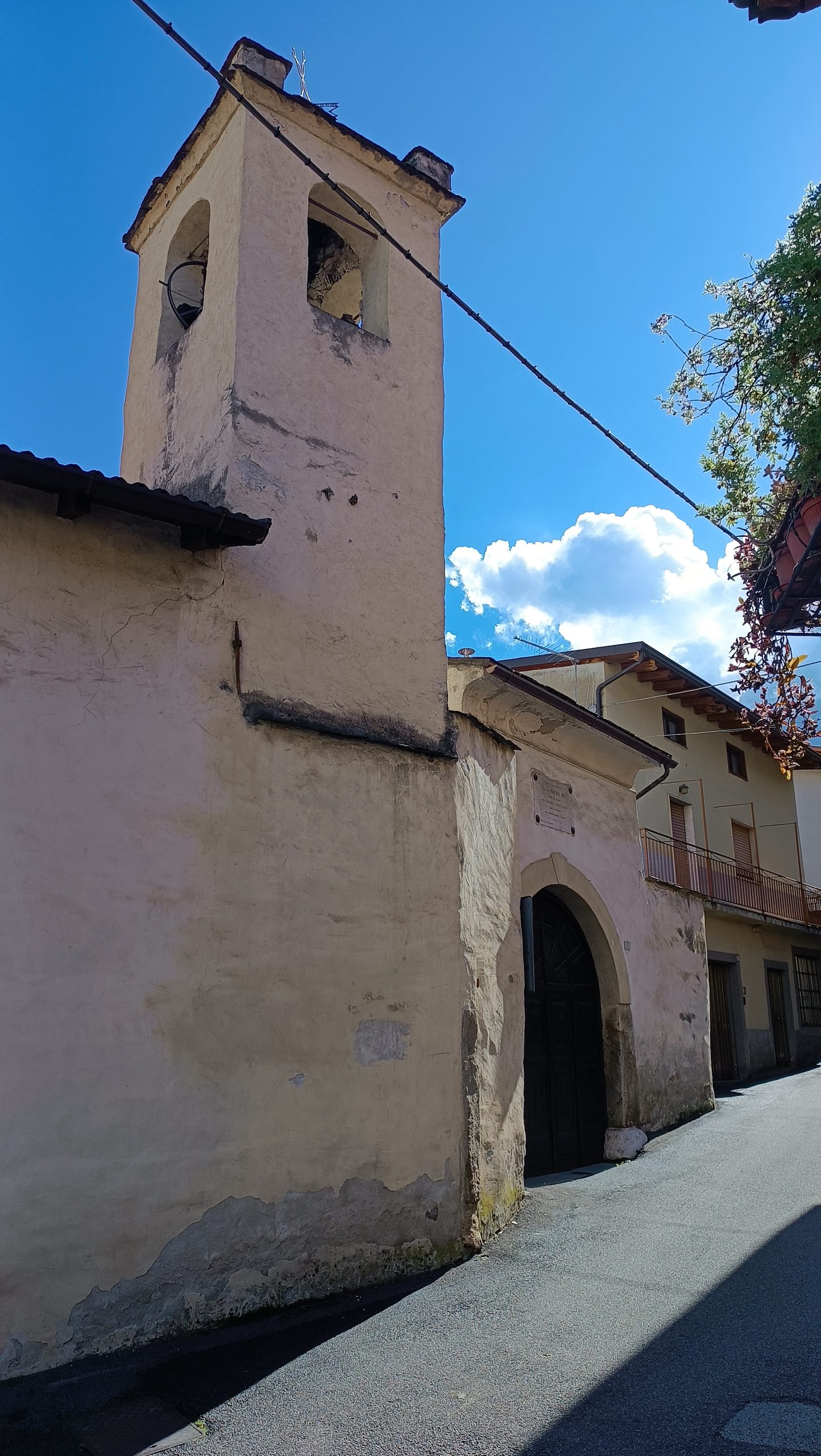
According to tradition, the Church of Saint Bartholomew stands on the site of an ancient chapel with a hospice for travellers (xenodochium). In 1246, it was granted to the Humiliati as a place of worship.
Over the centuries, the interior has undergone several alterations: between the fifteenth and sixteenth centuries, the structure was raised and the external façade was decorated with frescoes. Following the directives of Saint Charles Borromeo, a sacristy was created on the south side by converting a former stable. In 1840, additional rooms were built on the north side to house the organ, and a couple of years later, in 1842, the bell tower still visible today behind the choir area was erected.
The church was long used as a burial place for members of the Humiliati community. One of these tombs was subsequently reused in 1547 by Giovan Battista Ceresetti, who had a famous verse by Ovid inscribed on it: “Tendimus huc omnes, haec est domus ultima” (“We all make our way here; this is our final resting place”).
Outside the building, precious traces of late fifteenth-century frescoes have been preserved, reflecting the artistic style of Giovan Pietro da Cemmo and depicting distinguished and saintly figures dressed in elegant garments. Inside, the triumphal arch is adorned with an impressive Crucifixion dating to around 1470.
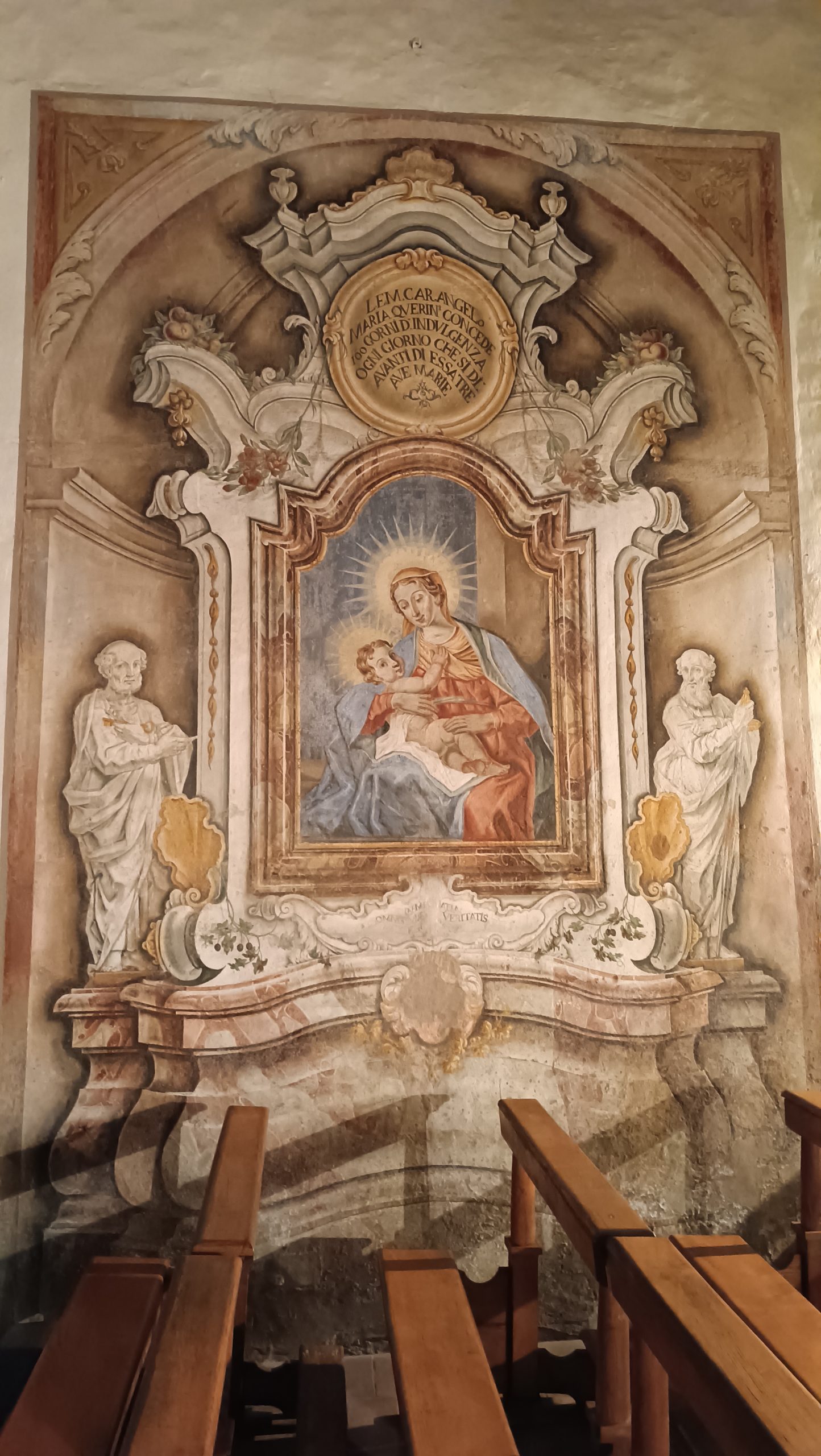
The history of the sanctuary is also closely linked to a deeply rooted devotion to the Virgin Mary. In 1755, Pietro Bazzini had a copy of the Madonna del Camino of Brescia placed here, created in memory of the miracle that had taken place in the city in 1690. The image, which was granted an indulgence of 100 days by Cardinal and Bishop of Brescia Angelo Maria Querini, originally bore the coat of arms of the Bazzini family. This was later removed in 1769, when the rights of patronage were transferred to the parish priest, Giuseppe Albrici.
Church of Saint Stephen
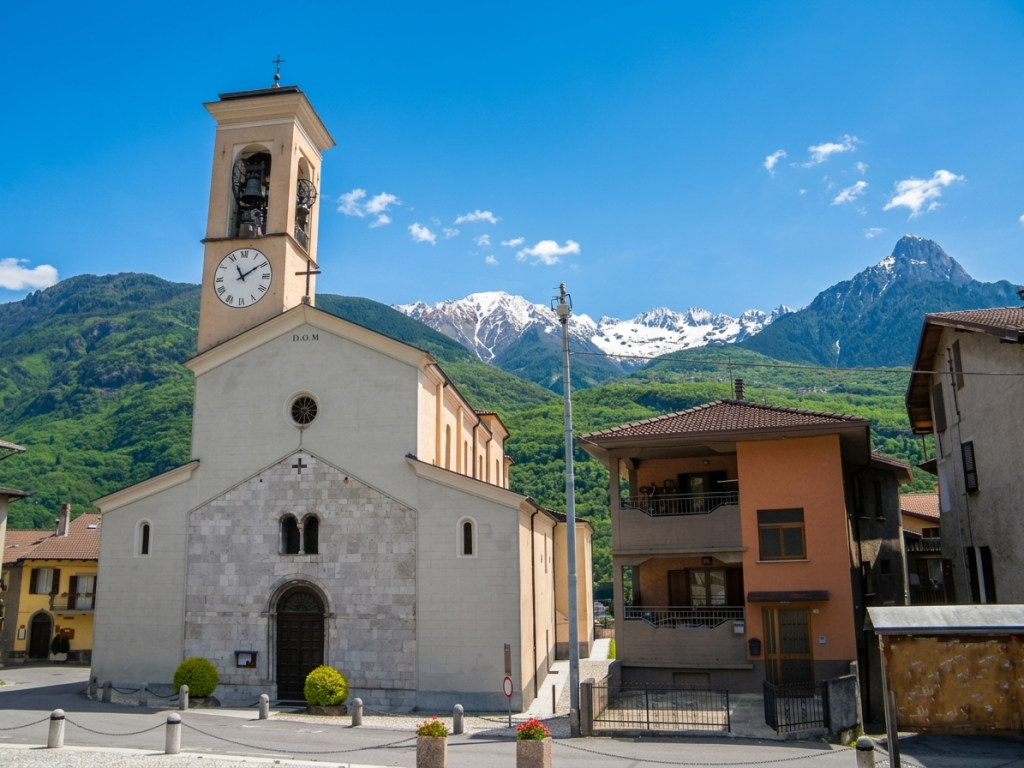
The Church of Saint Stephen is first mentioned in historical documents in 1299, although the origins of the site may date back to an even earlier period than the construction of the thirteenth-century Romanesque building. As early as 1459, the church was praised for its excellent state of preservation and its central location, marking the beginning of a process through which it gradually took over the liturgical and parish functions previously reserved for the historic parish church of San Siro.
The official transfer of the parish functions took place in 1535, with the definitive arrangement established in 1580, when Charles Borromeo decreed the separation of the parishes of Cemmo and Capo di Ponte. The area surrounding the building was occupied by the community cemetery, chosen as a burial place by the most distinguished noble families in the area, including the Della Torre, Federici and Franzoni families.
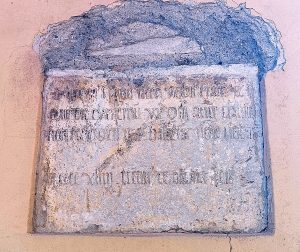 From an architectural perspective, the church stands out for its exceptionally well-crafted stone façade, built with finely dressed and carefully polished ashlar blocks. It features an entrance portal adorned with an original moulded design and an upper biforate window. A distinctive feature of the building is the unusual position of its bell tower, incorporated directly into the façade. Originally erected in the fifteenth century and raised in height in 1846, it preserves at its base a commemorative stone plaque dating from 1444, commissioned by Baldassarre Franzoni.
Over the centuries, the building underwent several urban and structural alterations. In 1868, the square in front of the church was lowered, and in 1872 a cemetery portico was built, which was later demolished in 1895. That same year, the church underwent a major expansion project, which involved raising the height of the building and adding the side aisles.
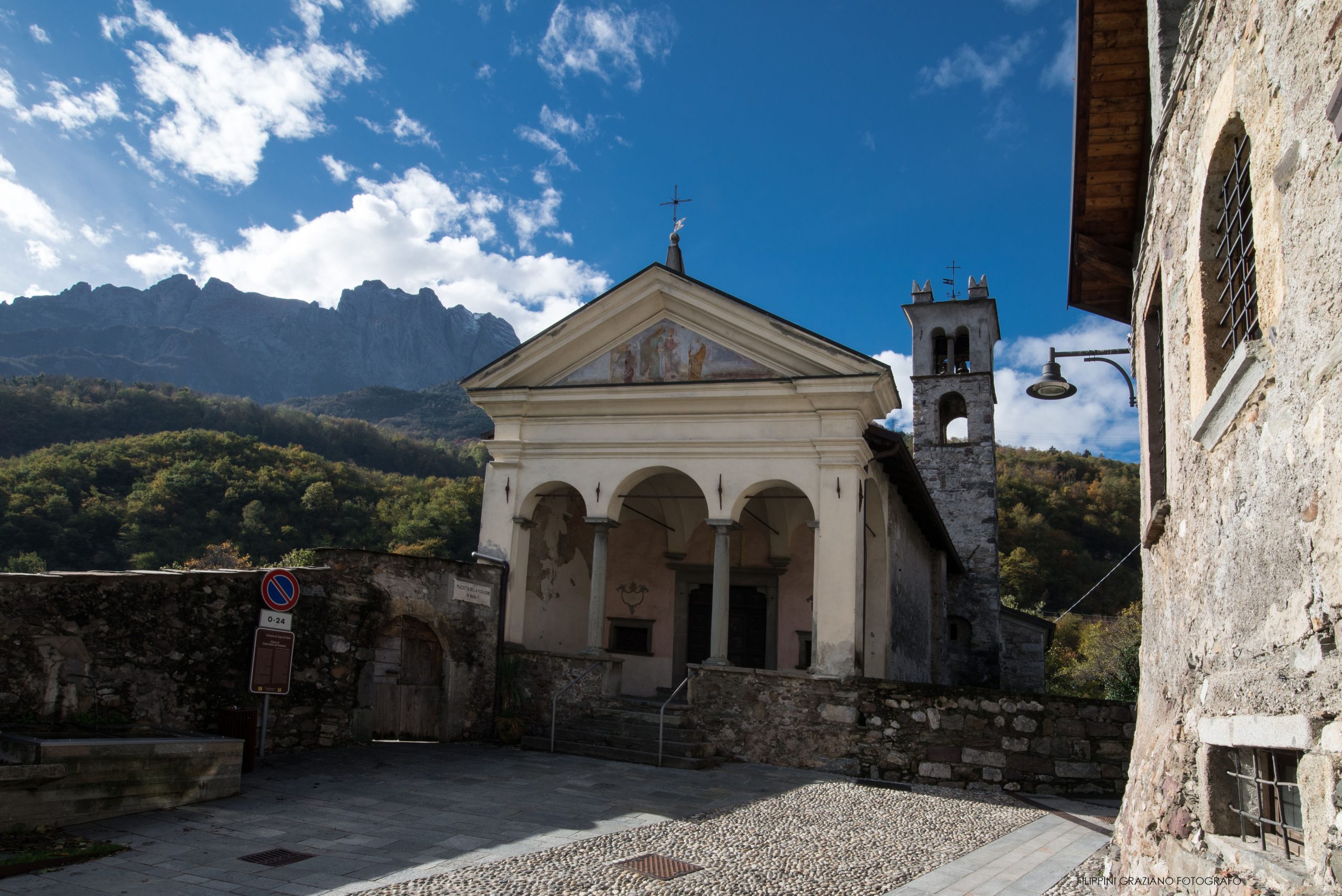
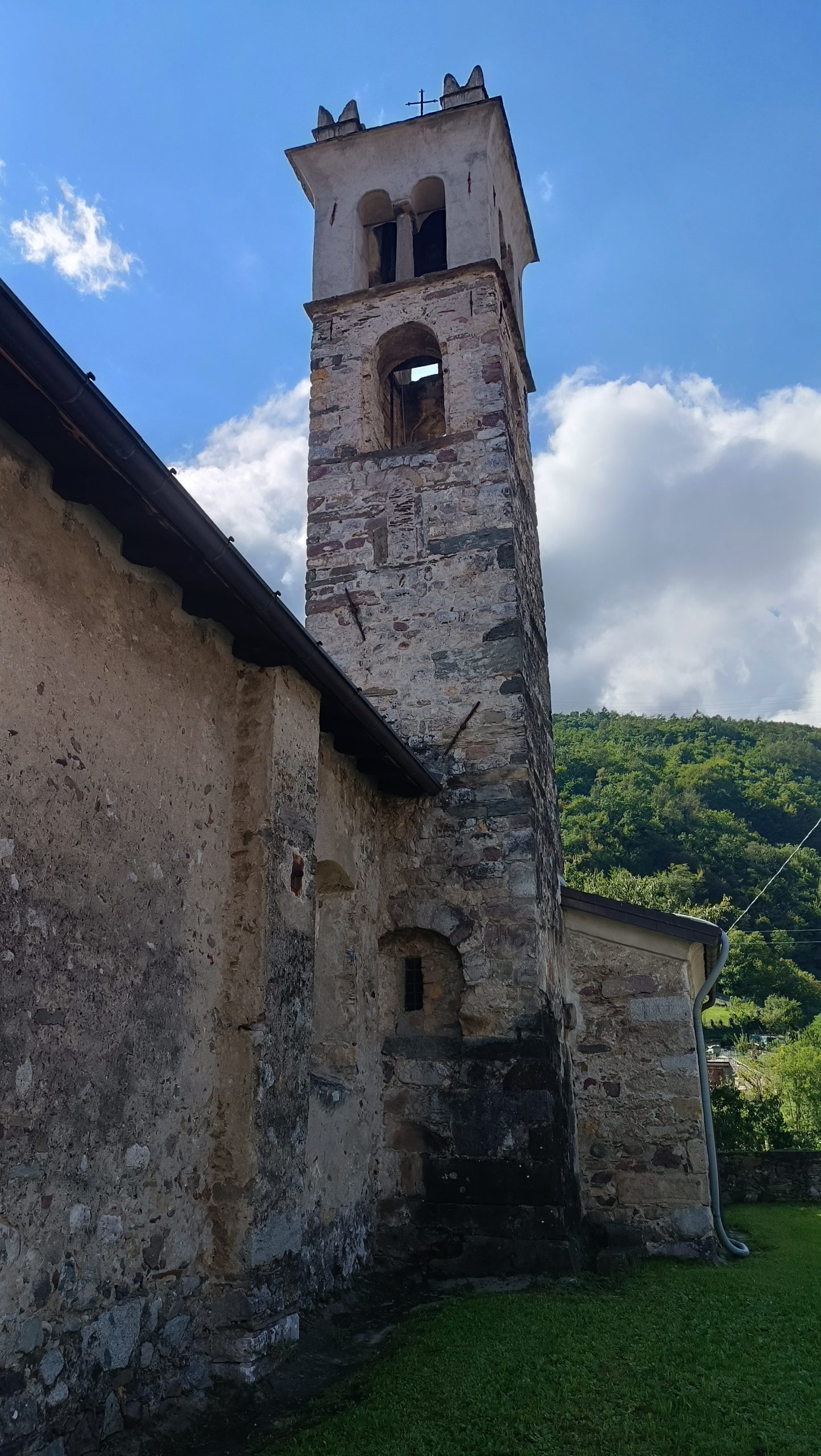
The origins of this place of worship date back to the High Middle Ages: an early chapel is already mentioned in a document from 1132, a papal bull issued by Pope Innocent II confirming its ownership by the Benedictine monastery of San Faustino in Brescia (“in Cimmo Ecclesia Sancti Faustini”). Today, several sections of the original Romanesque structure, dating from the eleventh and twelfth centuries, still survive. Originally oriented towards the Clegna stream, the building retains some of its ancient masonry, including the bell tower and several decorative elements, among them a human head attacked by a dragon.
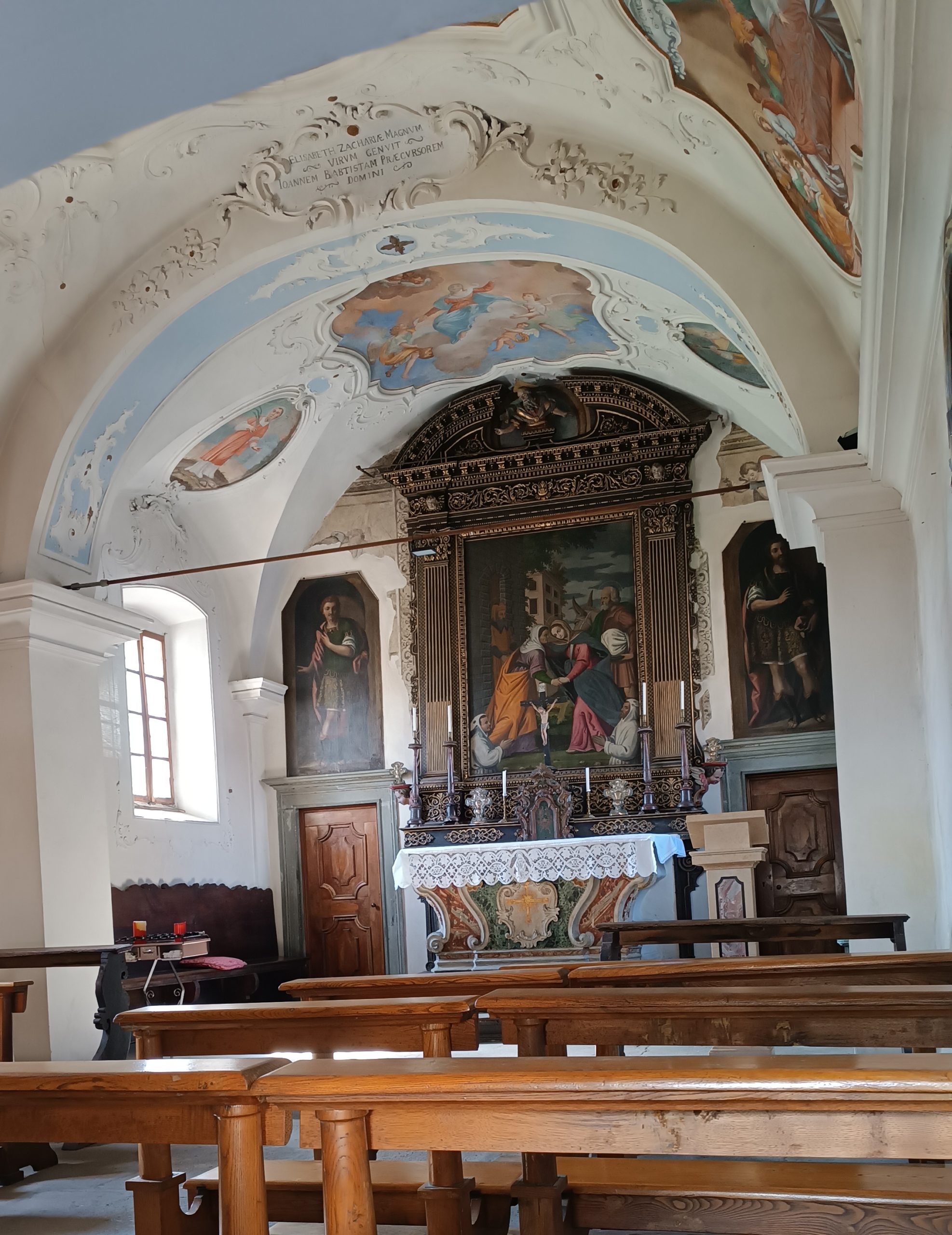
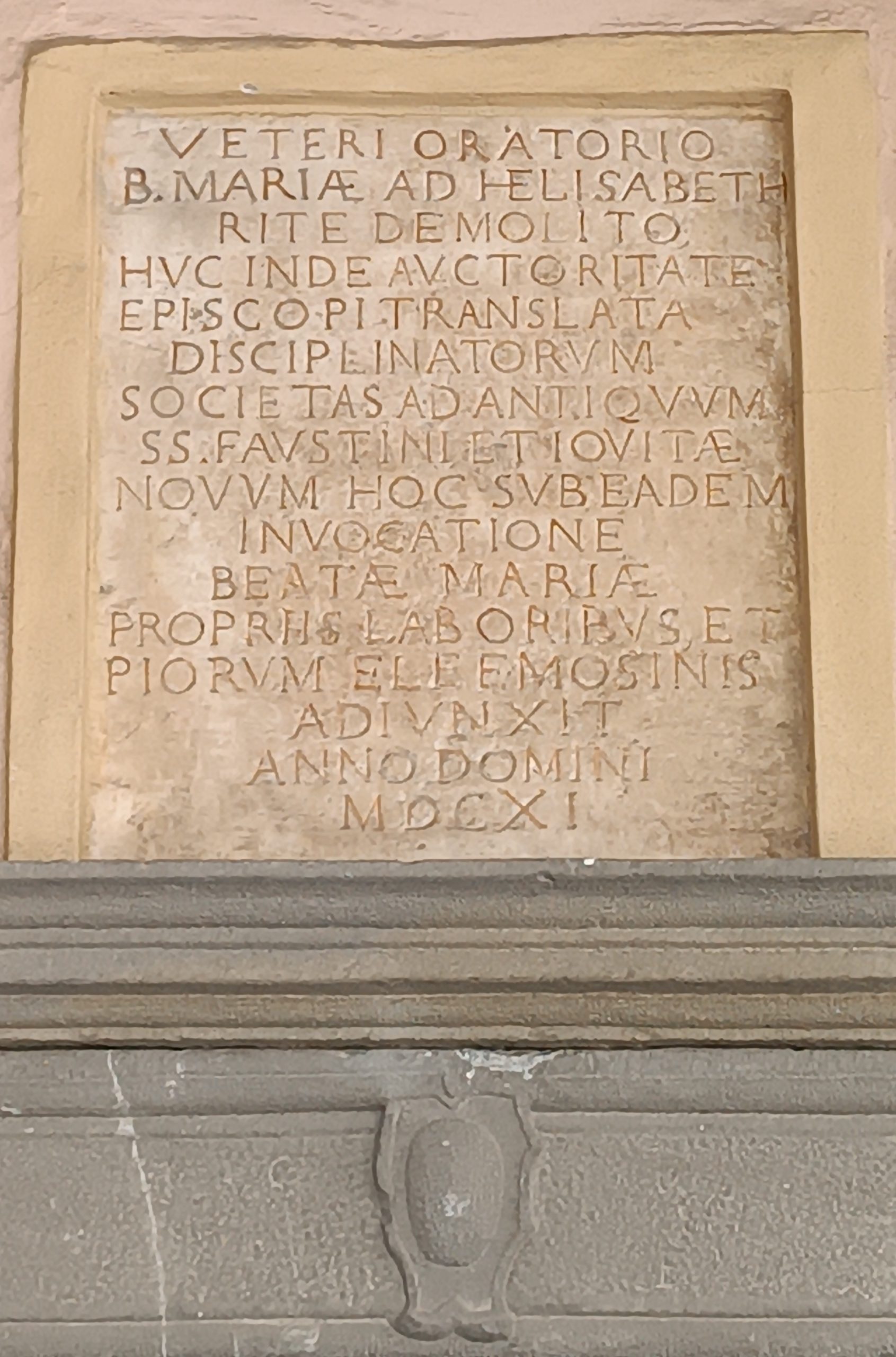 During the sixteenth century, the building fell into a serious state of disrepair, so much so that, during a visit in 1562, it was dismally described as having been reduced to a “stable for donkeys”. Its revival came in the early seventeenth century: in 1611, the devotion to the Visitation of the Blessed Virgin Mary to Saint Elizabeth was transferred here, and work began on the construction of a new nave on the opposite side of the ancient church. This project gave rise to a distinctive building, characterised by two separate and independent entrances.
The new dedication and the subsequent transfer of liturgical functions are linked to the disappearance of another historic building in the village: the ancient Church of Santa Maria Vecchia, located in the lower part of Cemmo, whose memory survives today in the name of the street bearing its name. After falling into disuse during the fifteenth century, the small church was entrusted to the Confraternity of the Disciplini in 1562, before being definitively abandoned in the early seventeenth century.
In 1611, the Marian dedication and the confraternity’s headquarters were thus officially transferred to the Oratory of San Faustino, bringing together the memory of the two religious institutions within a single sacred complex.
Ancient Convent of Saint Dorothy
Founded in 1638 at the bequest of Giacomo Donzella and dedicated to Saint Dorothy, the convent stood in the lower part of Cemmo, along what is now Via Convento. Originally entrusted to the Reformed Franciscans, the complex comprised a church with three altars, an infirmary and a well-stocked library, and typically housed around twenty friars.
The beauty and elegance of the complex emerge clearly from contemporary accounts. In 1698, Father Gregorio of Valcamonica described it as a “remarkable building, with two cloisters, in the second of which the garden flowers rejoice in the spray of water rising from a stone fountain”.
The history of the convent came to an abrupt end in 1805, following the Napoleonic suppression of religious orders decreed by the Kingdom of Italy. Acquired by local families (the Cogordani and Agostani families, followed by the Tempinis), the entire complex was subsequently demolished, together with its adjoining church. The «Fratelli Bona» care home was built on the site in 1932.
The Dorothean Sisters of Cemmo
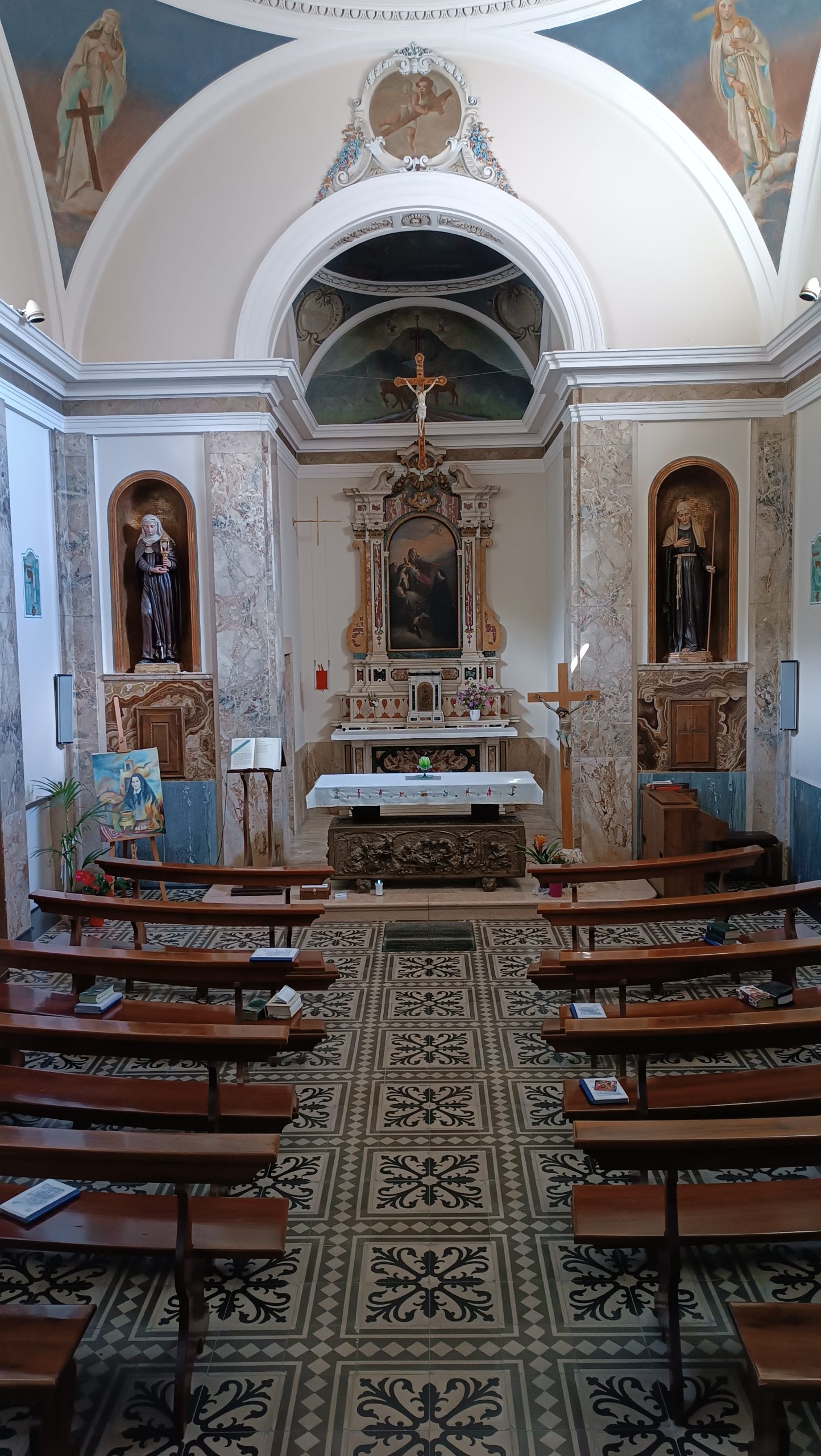 Following the suppression of the Franciscan convent of Santa Dorotea during the Napoleonic confiscations of the early nineteenth century, in 1821 Erminia Panzerini (Cedegolo, 1790 – Cemmo, 1842), niece of the wealthy Lodovico, decided to devote herself to the education of girls in Val Camonica. To ensure qualified leadership for the school, Panzerini invited Annunciata Cocchetti (Rovato, 1800 – Cemmo, 1882) to Cemmo in 1831. At the age of 22, Cocchetti had already established a girls’ school in her hometown of Rovato.
After more than ten years of teaching and following Panzerini’s death, Annunciata sought to establish a lasting connection between the educational work in Val Camonica and the Venetian Congregation of the Teaching Sisters of Saint Dorothy, founded by Don Luca Passi. After completing a short period of novitiate in Venice, on 9 October 1842 Cocchetti returned to Cemmo accompanied by two fellow sisters. On 3 October 1843, with the ceremony of receiving the religious habit and the first profession of vows, the first religious community in the village was officially established.
The newly established institution faced a major crisis almost immediately: in November 1846, a devastating fire destroyed much of the building. Under the determined leadership of Mother Annunciata, the complex was swiftly rebuilt and expanded with an internal chapel for the sisters and their pupils, as well as accommodation for the chaplain.
In 1853, at the initiative of Girolamo Verzeri, Bishop of Brescia, who sought to establish the order firmly within the diocese and protect its work from state suppression laws, the institution gained independence from its Venetian mother house through the establishment of its own novitiate in Cemmo. During the same period, the congregation expanded its premises in the village centre by acquiring historic residences in the Tolera district, including Casa Ricci in 1854 and the seventeenth-century Casa Faccendina.
Following the death of Mother Annunciata Cocchetti on 23 March 1882, the institution had become the leading educational, academic and spiritual centre for young women throughout the valley. During the twentieth century, the work of the Dorothean Sisters expanded well beyond the Camunian territory: following the opening of the Brescia branch (with the Mater Divinae Gratiae Centre), new communities were established in Milan (with the Asteria Centre) and Rome, culminating in the granting of pontifical approval in 1934. The congregation subsequently established missions in Latin America (Argentina, Uruguay and Brazil), Africa (the Democratic Republic of the Congo and Cameroon) and Europe (England).
On 21 April 1991, Pope John Paul II proclaimed Annunciata Cocchetti Blessed. Her remains are preserved and venerated in the chapel of the Mother House in Cemmo, which has always served as the congregation’s spiritual and administrative centre.