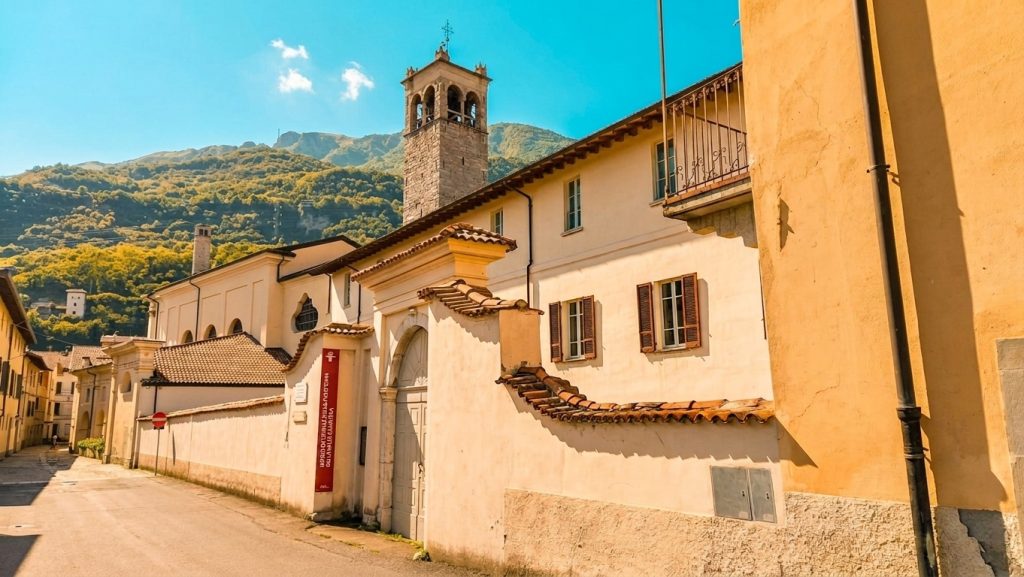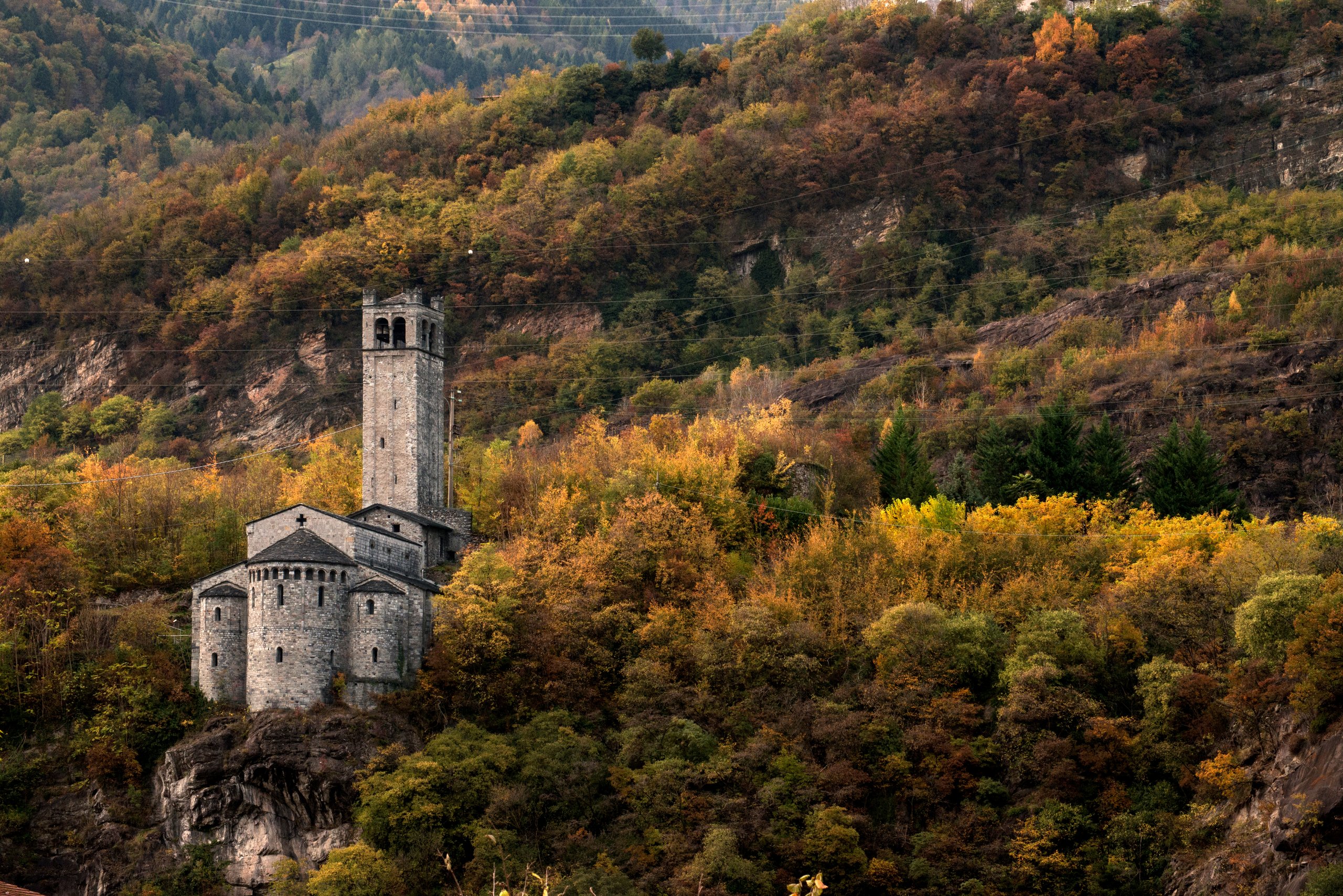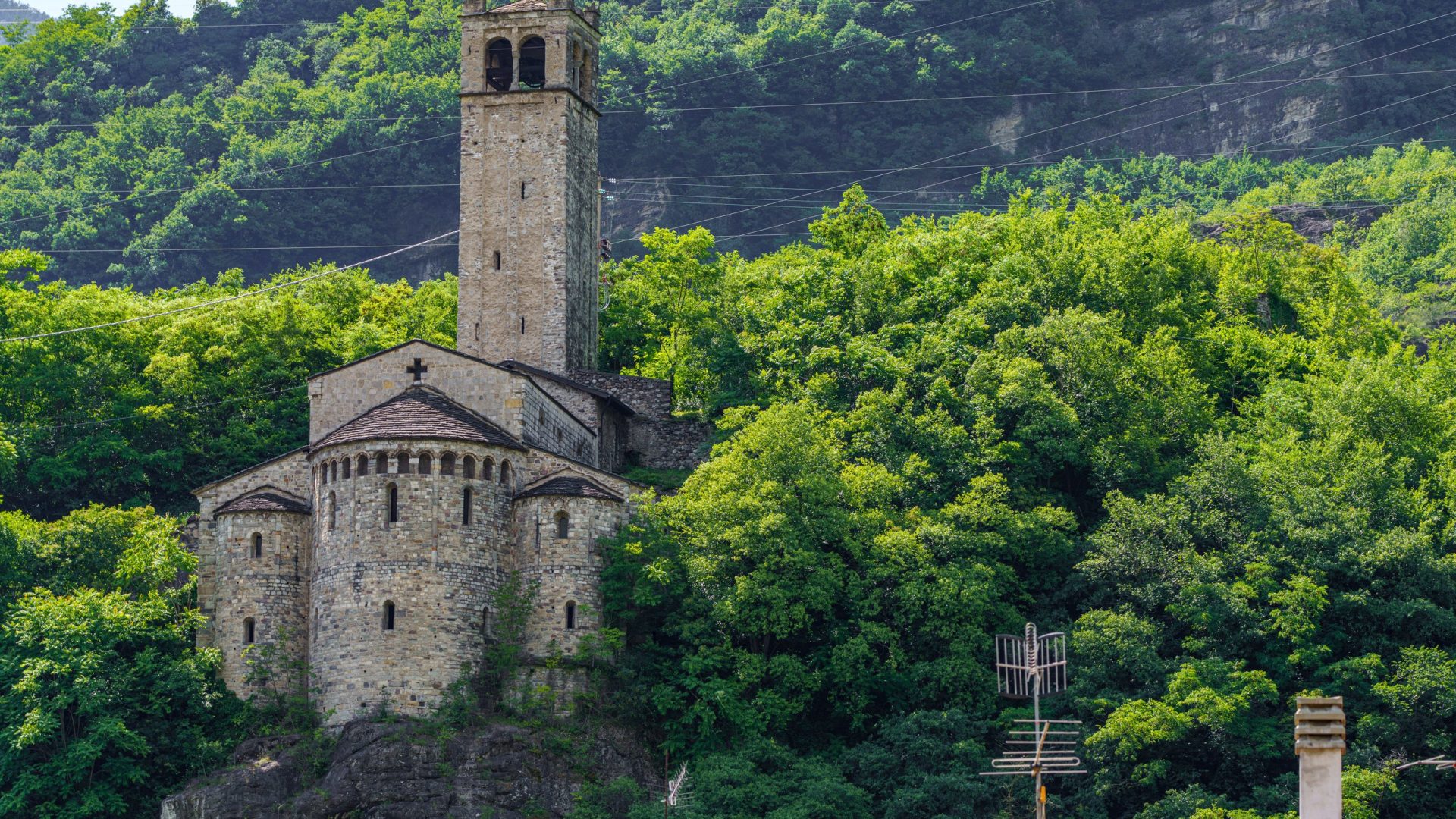
The church of San Siro is located in the hamlet of Cemmo, in a panoramic position overlooking the Oglio River. A historic religious and social centre of Valcamonica, the church was the seat of one of the most important parish districts( ecclesiastical districts) in the valley. Saint Syrus of Pavia is traditionally regarded as the evangeliser and patron saint of Valcamonica.
The church, in its present form, probably dates back to the late 11th or early 12th century. Inside, a fragment of a Roman inscription is also set into a single-lancet window. The present-day bell tower, added in the 15th century, stands alongside a building that was once used as the hermit’s dwelling, known as the so-called Cà del Rumit.
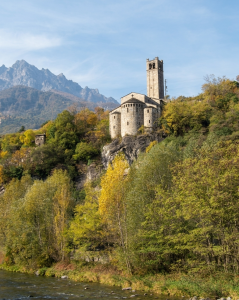 Until the 16th century, the parish church served as the main place of worship for the local community. The parish title was subsequently transferred to the Church of Santo Stefano in Cemmo. By the 17th century, the building had already fallen into disuse and was being used as an animal shelter and a refuge for bandits. In 1708, the collapse of the choir wall was recorded.
Beginning in 1912, restoration works included the repositioning of the fallen fragments of the portal, the construction of a wooden ceiling, and the installation of a staircase providing access to the crypt. In 1921, the floors were raised. The southern entrance dates back to the 1930s. Between 1992 and 1995, structural consolidation works were carried out on the three apses and the bell tower.
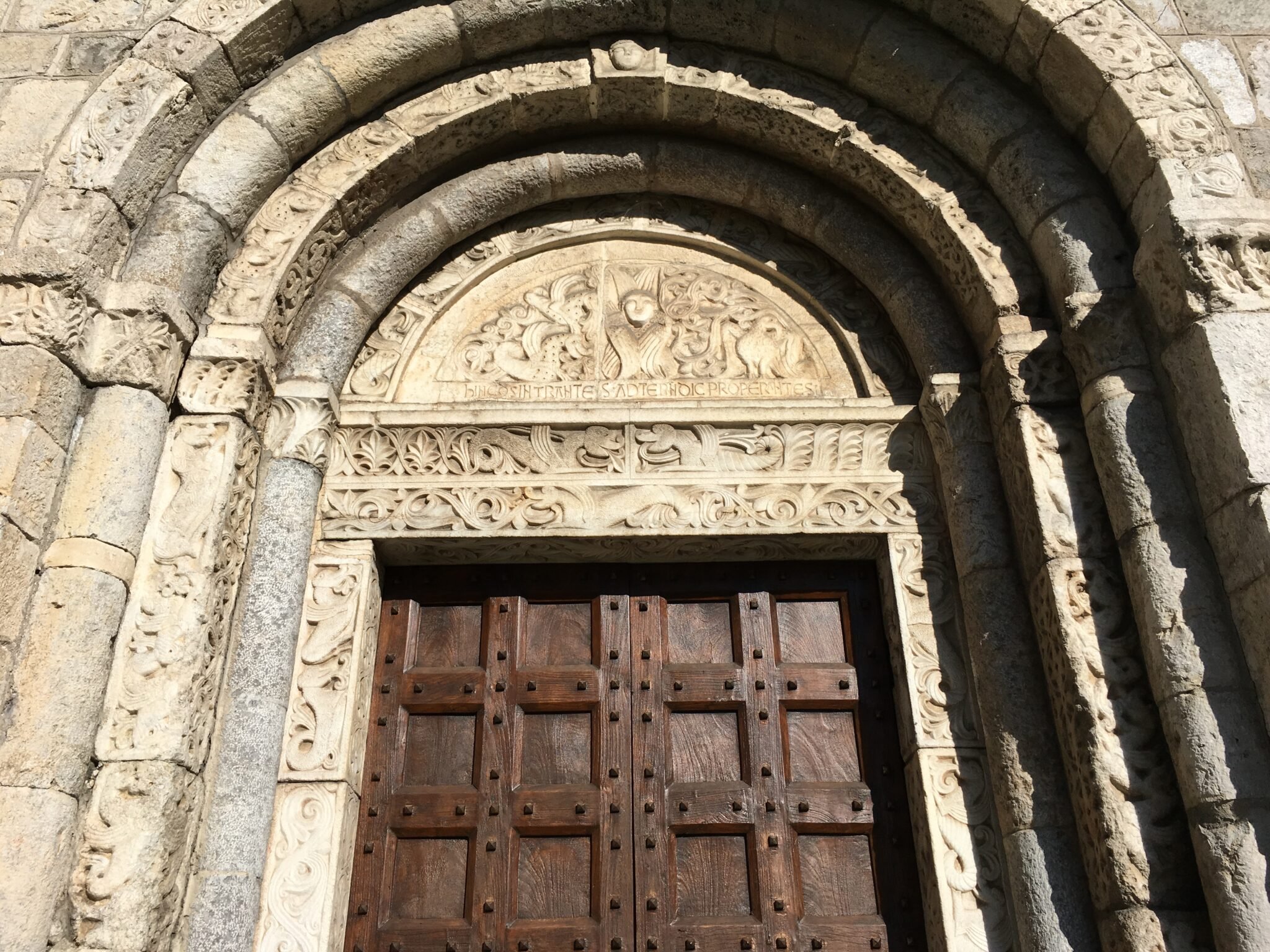
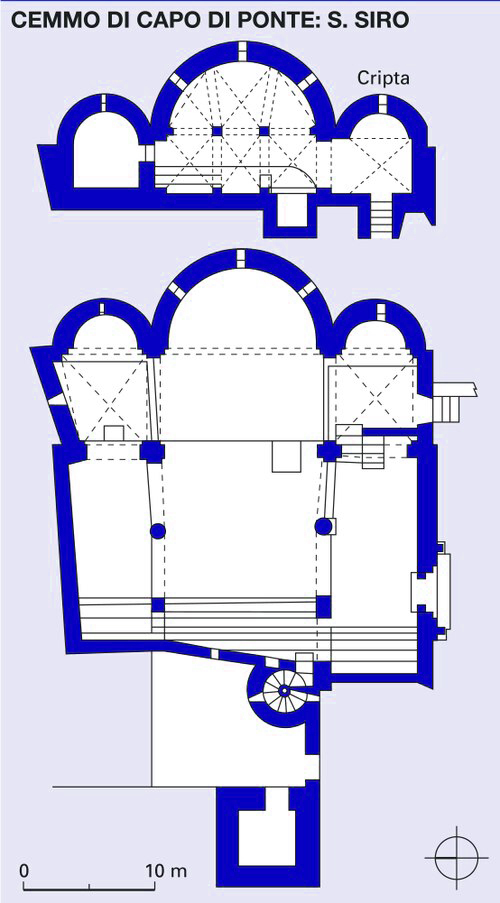
The church is oriented along an east-west axis, with three apses facing east and a rock-backed façade to the west. The main entrance, located on the southern side, was once characterised by a loggia and now features a portal decorated with animal, floral and fantastical motifs. The lunette bears the auspicious inscription: «HINC DS INTRANTES AD TE BNDIC PROPERANTES» (translated as: «May God bless those who enter here to draw closer to Him») .
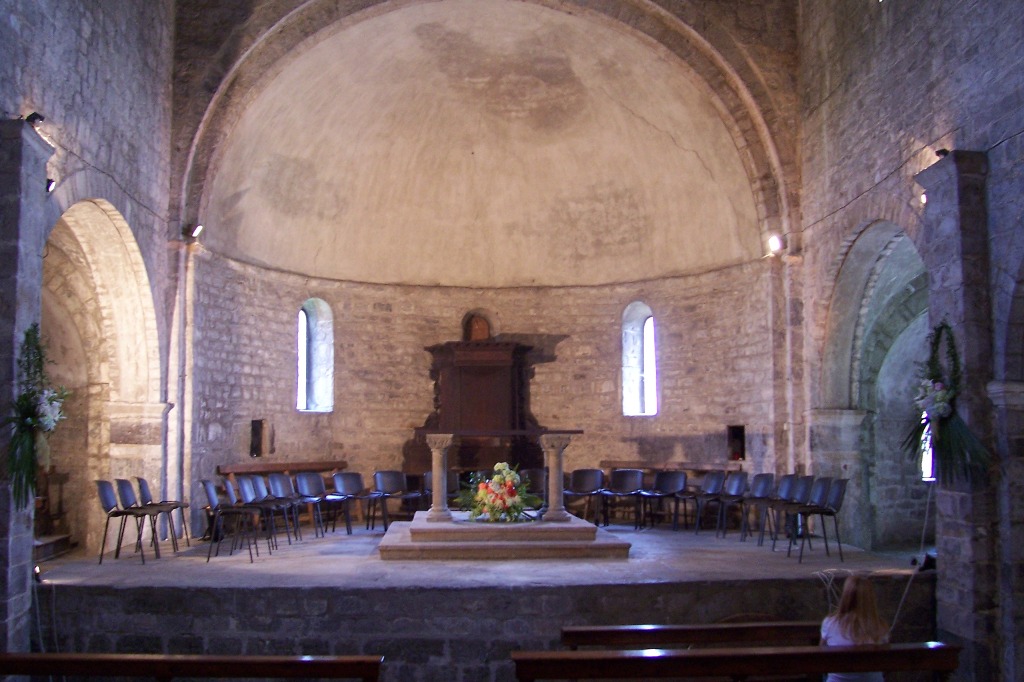
Inside, the central nave is raised above the side aisles. To the right of the entrance are detached frescoes originating from the façade of the Church of San Bartolomeo degli Umiliati in Cemmo, while on the opposite northern wall are a Baptism of Christ and a Madonna of the Trades.
According to tradition, the series of steps on the western side was intended for catechumens. The circular immersion baptismal font was probably an ancient wine press. The crypt retains its original layout, with three aisles ending in apses and covered by cross vaults.
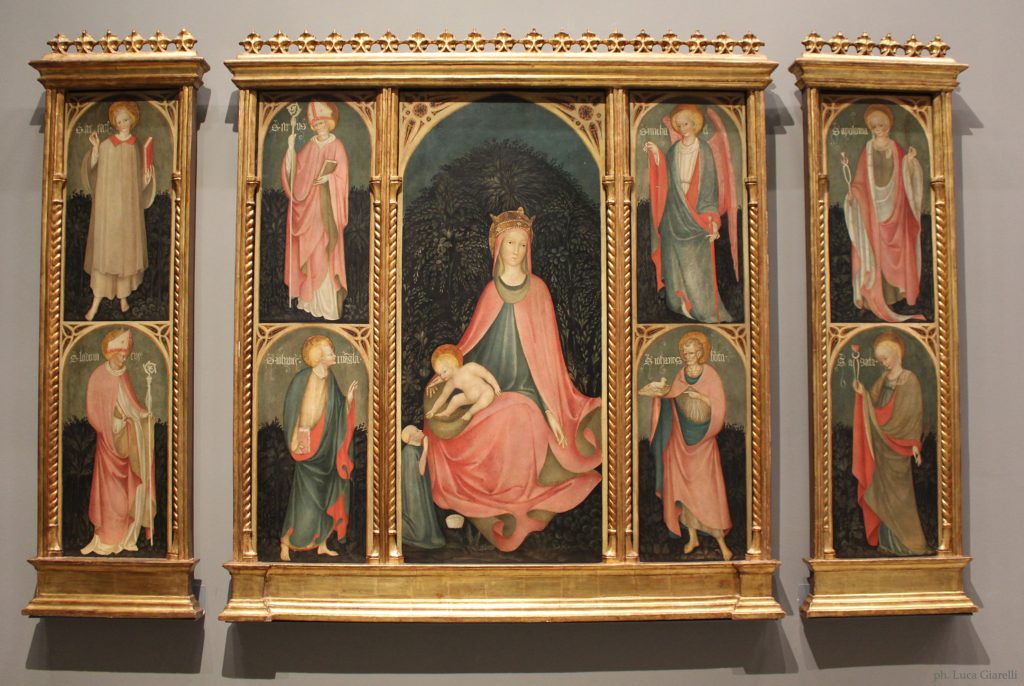
A copy of the polyptych by Master Paroto (1447) is displayed in the southern apse. Originally housed in the parish church, the work was later sold and taken to New York, before being reacquired by the CAB Foundation in 2012. The original artwork is now on display at the Tosio Martinengo Art Gallery in Brescia.