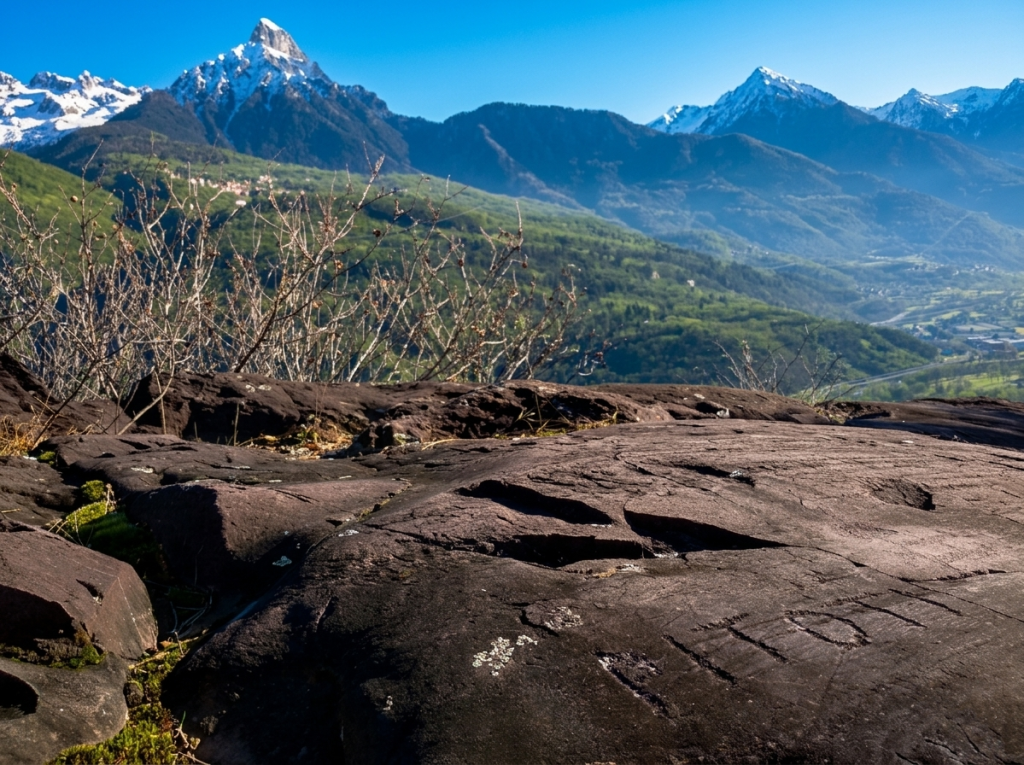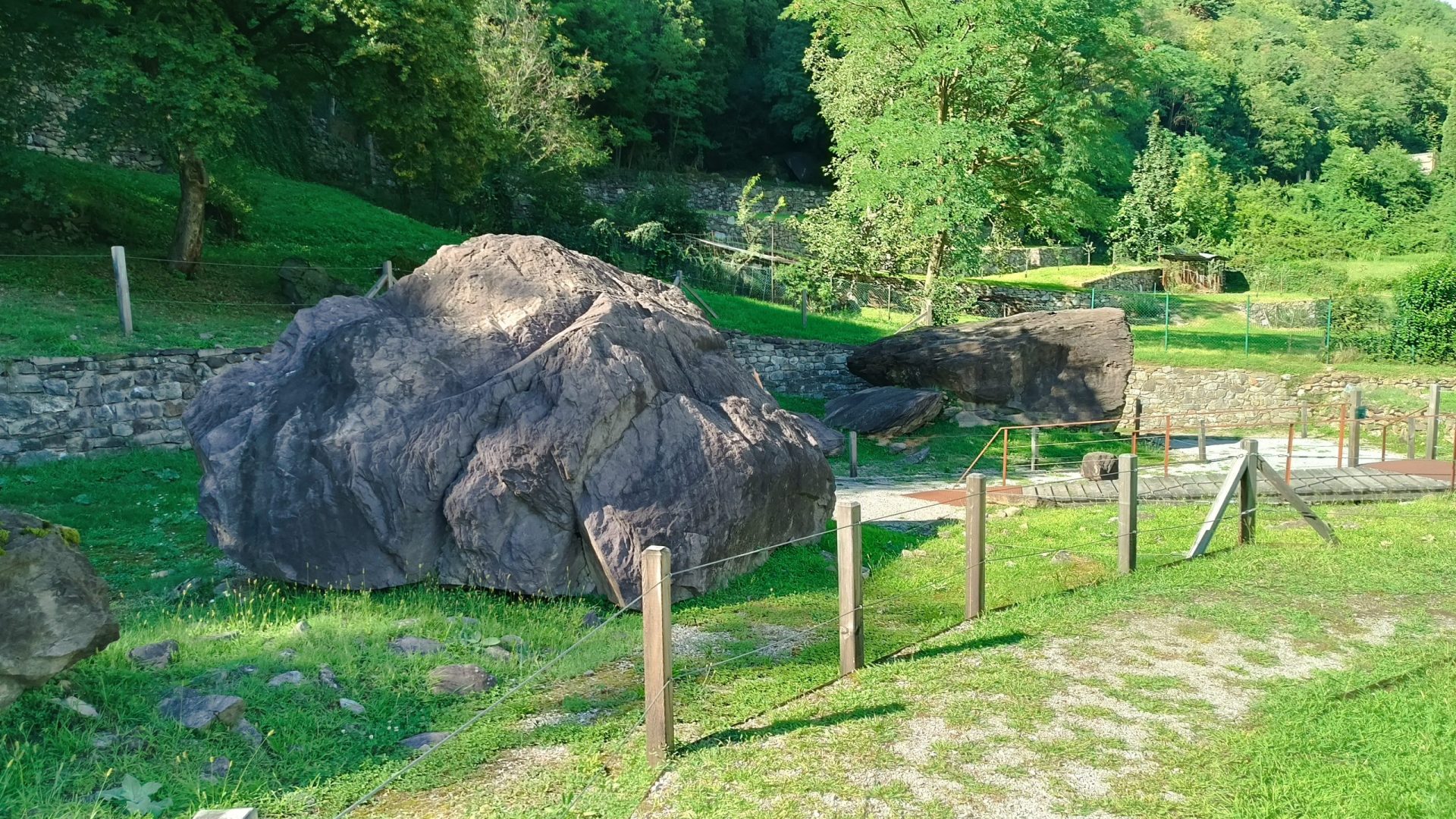
At the heart of the small glacial basin of Pian delle Greppe, at the foot of Cemmo, lies one of the most significant sites in the whole of Valcamonica: the National Archaeological Park of the Cemmo Boulders, where the discovery of Camunian rock art began. It was here, in 1909, that prehistoric engravings were first reported, marking the beginning of the research that would eventually lead to UNESCO recognition.
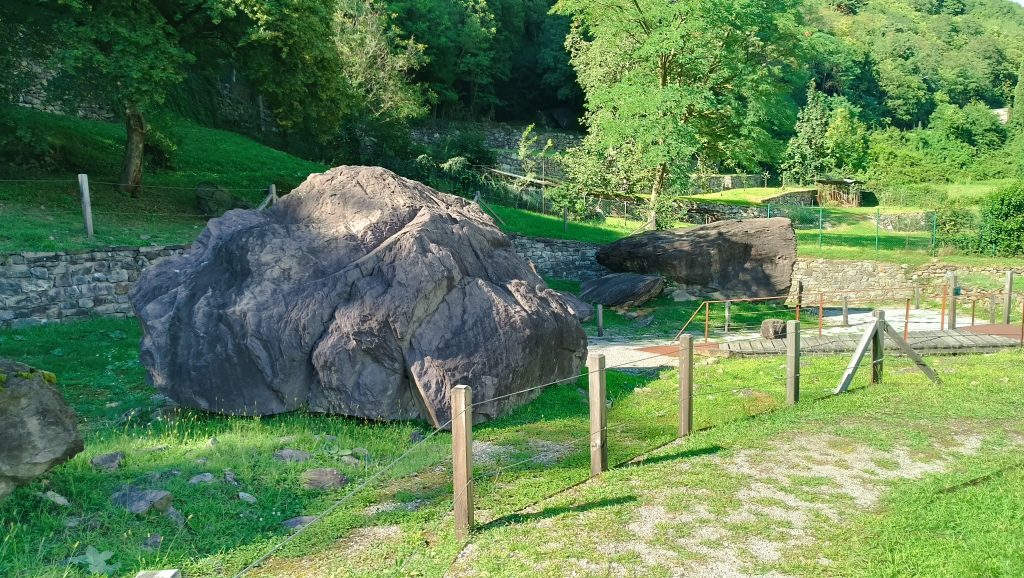
The site takes its name from two imposing sandstone boulders, located approximately 15 metres apart, which fell from the rock face at the end of the last Ice Age and were engraved beginning in the Copper Age (3rd millennium BC). Their surfaces bear hundreds of figures, including animals, weapons, symbols and scenes of everyday life. Particularly noteworthy are depictions of ploughing and a rare four-wheeled cart, providing evidence of some of humankind’s earliest technological innovations.
A veritable open-air megalithic sanctuary developed around the boulders and remained active for millennia. Delimited by grooves and standing stones, it was monumentalised with an enclosing stone wall during the Bronze Age and continued to be frequented until Roman times. Only with the advent of Christianity was the site gradually abandoned and dismantled.
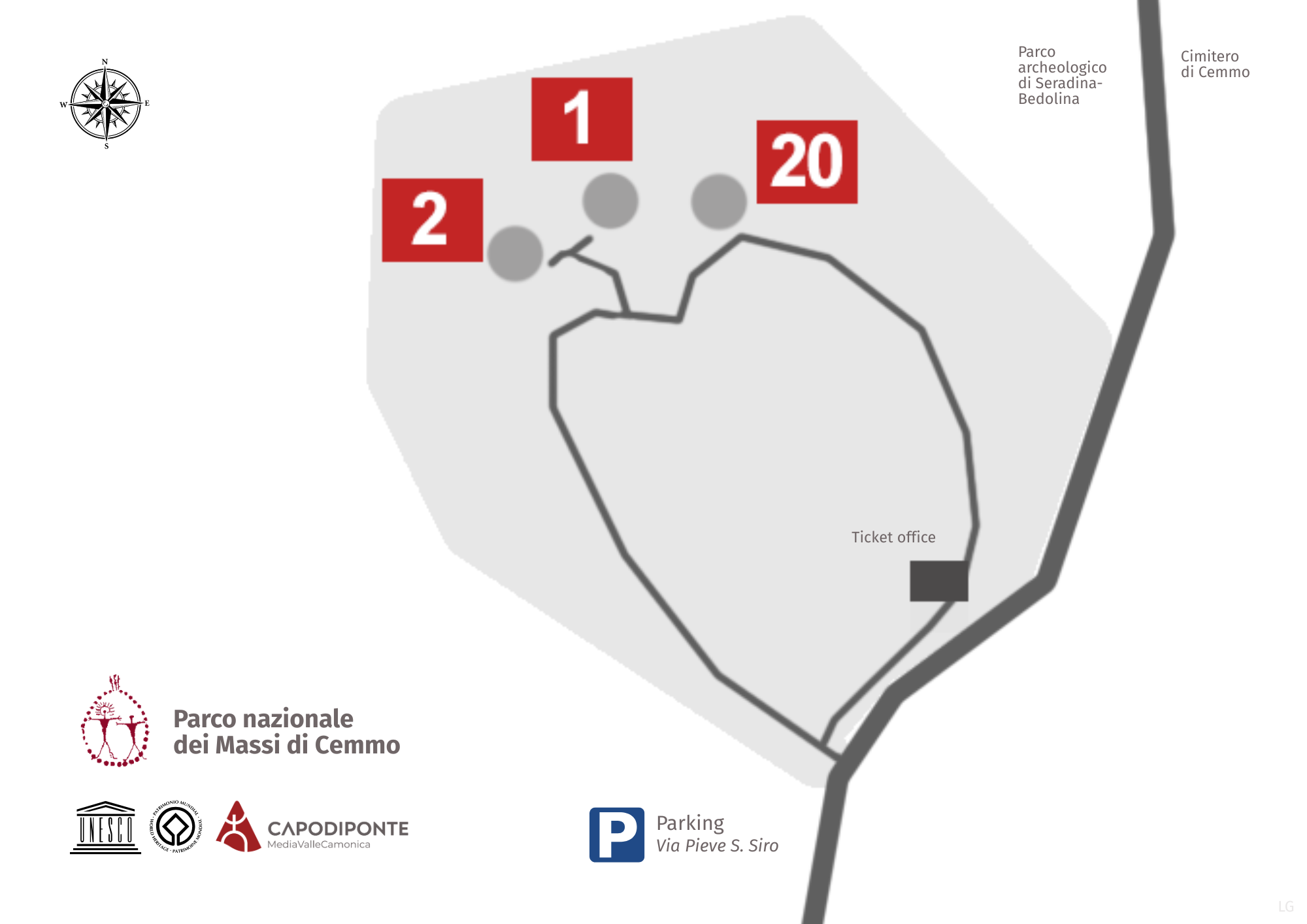
Today, the park is a compact and easily accessible area, set within the Alpine landscape and taking approximately one hour to visit. It is an evocative and powerful place, where stone tells the story of the origins of the sacred and of the relationship between humankind, nature and the surrounding territory.
Named by its first discoverers «Preda dei pitoti», meaning «the stone of the little figures» (a term now used more broadly to refer to all rock engravings), this imposing monolith contains a corpus of more than 150 petroglyphs. The engraved figures range from depictions of animals and daggers to a striking scene of agricultural work featuring a plough. Their overlapping layers reveal different phases of engraving from various historical periods, with the oldest group dating back to the Copper Age (between 2900 and 2500 BC).
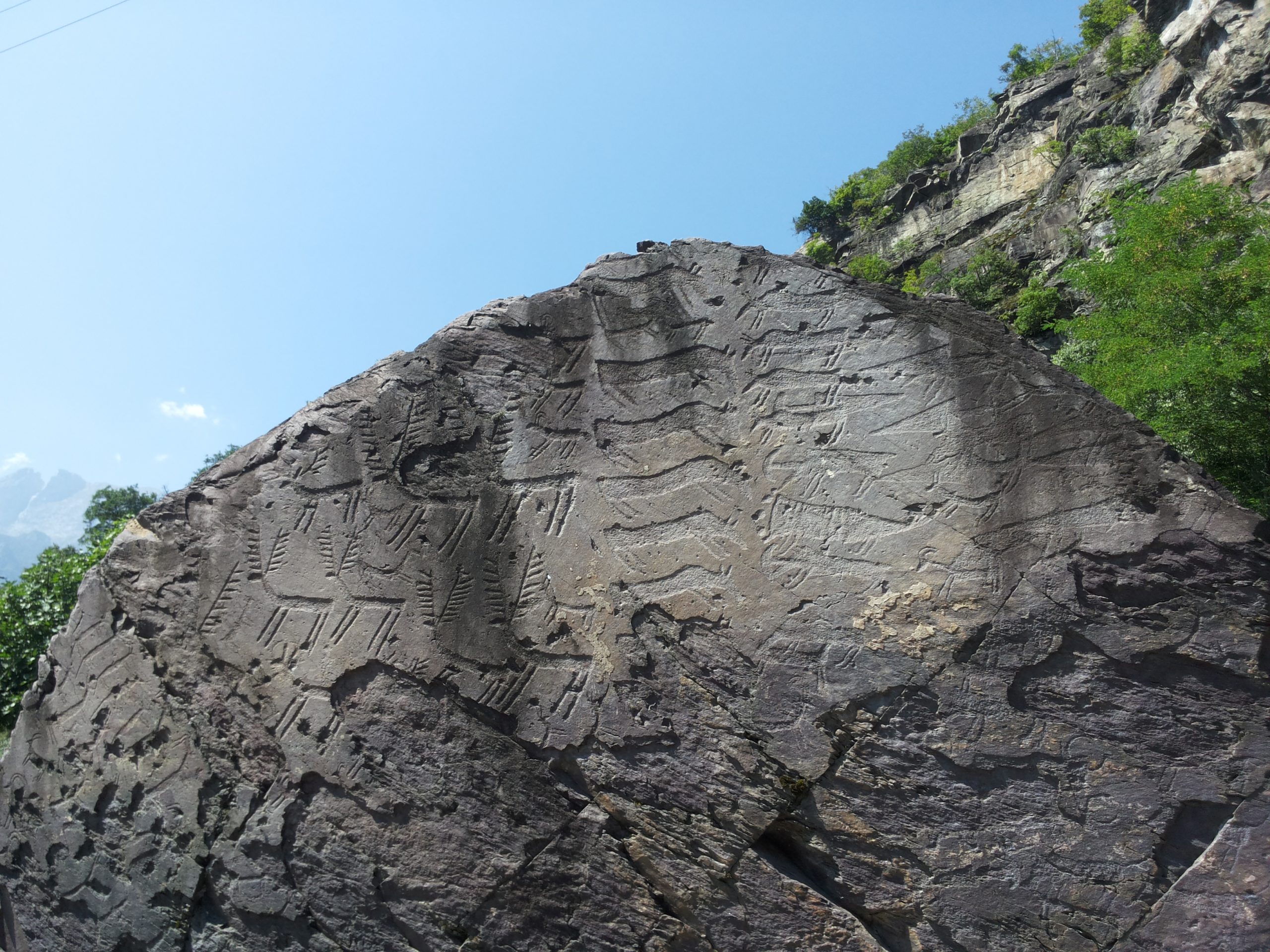
Located just 15 metres south of the first boulder and also dating back to the Copper Age (2900–2500 BC), Boulder 2 features a decorated surface arranged in three visual registers. Its rich repertoire of figures includes weapons, local wildlife, human silhouettes, a four-wheeled cart and a ploughing scene.
Together with the similar scene depicted on Boulder 1, these representations are interpreted not merely as depictions of agricultural activities, but also as illustrations of ritual practices intended to invoke the fertility of the fields and ensure abundant harvests.
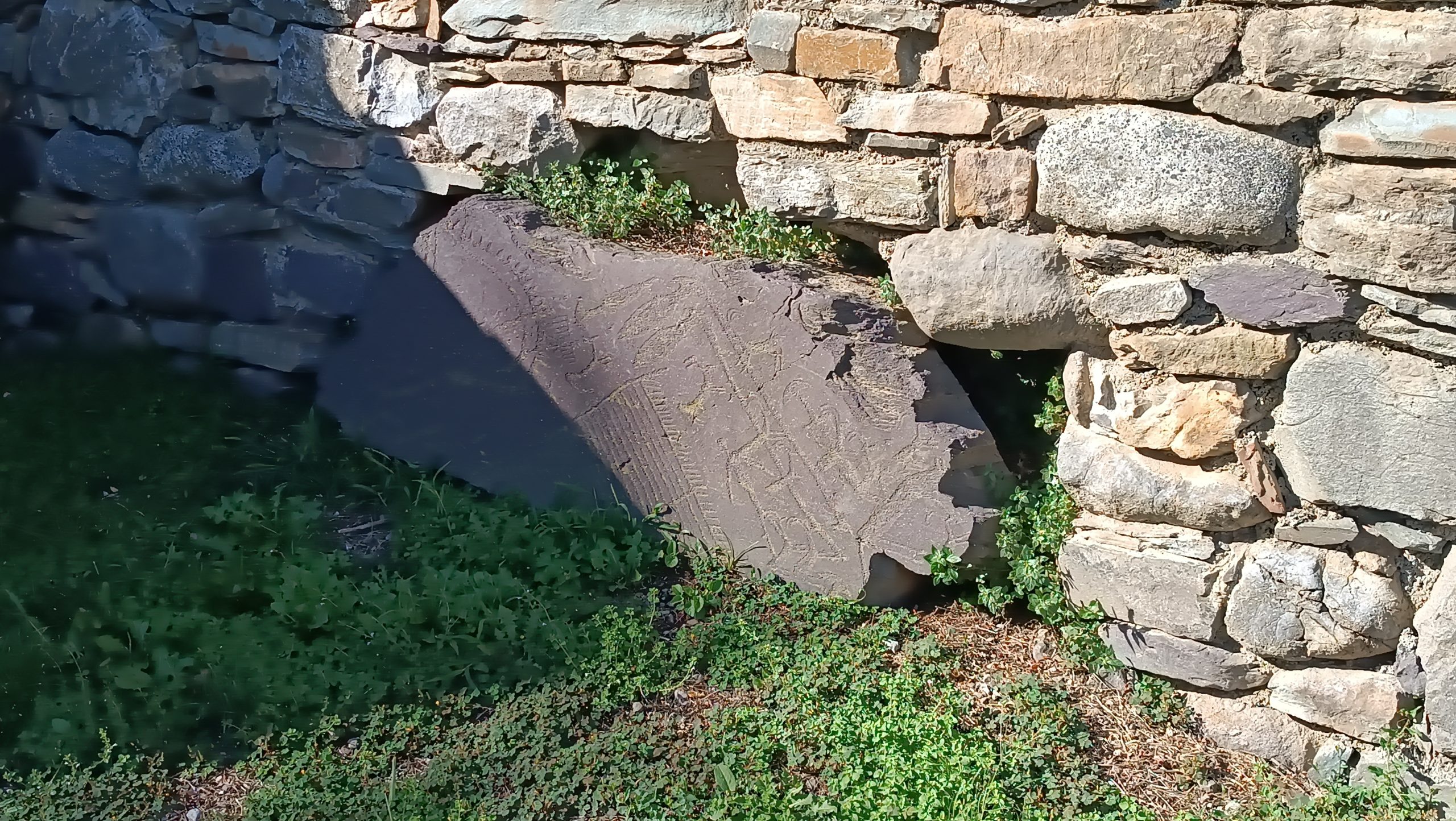 Cemmo Boulder 20
Dating back to the Copper Age (second half of the 3rd millennium BC), this section of a stone monument, preserved in situ at the location where it was discovered, features a distinctive iconographic composition arranged in three separate phases of execution.
The archaeological context is further enriched by the discovery of a fragment of a human skull placed directly at the foot of the stele. This is crucial evidence of complex ancestral rituals associated with the cult of the dead and the veneration of ancestors.