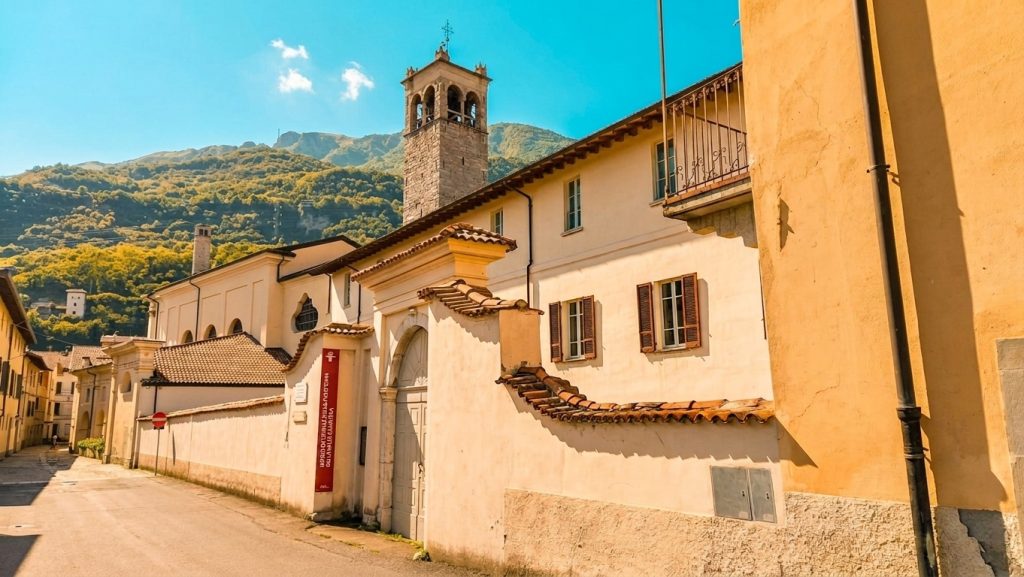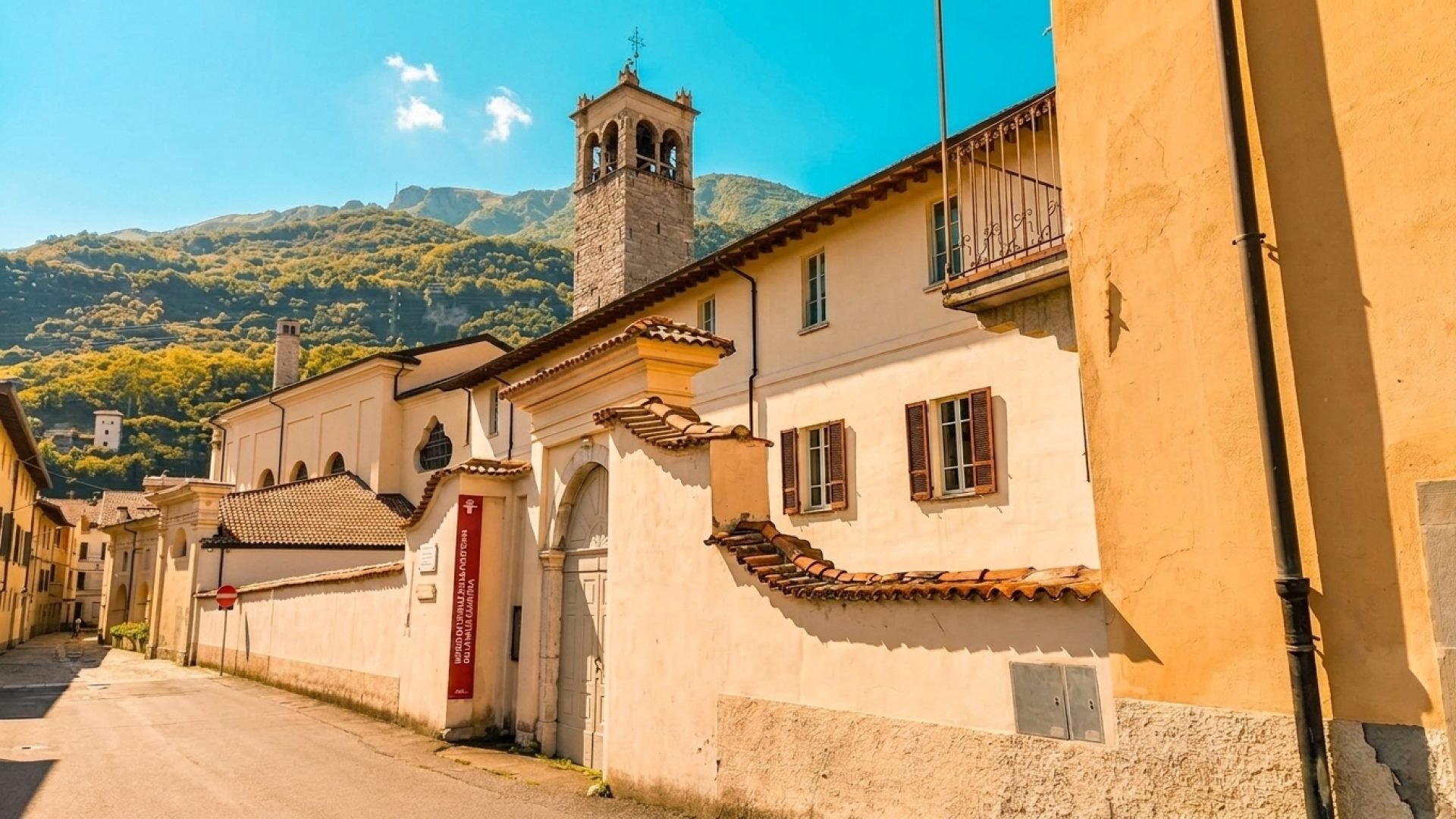
Located in the historic centre of Capo di Ponte, inside the 16th-century Villa Agostani , the MuPRE – National Museum of Prehistory of Valcamonica – is a place where rock art takes shape and meaning. Opened in2014, the museum complements visits to the archaeological parks, offering an essential interpretative framework for understanding the daily life of the ancient Camunian populations.
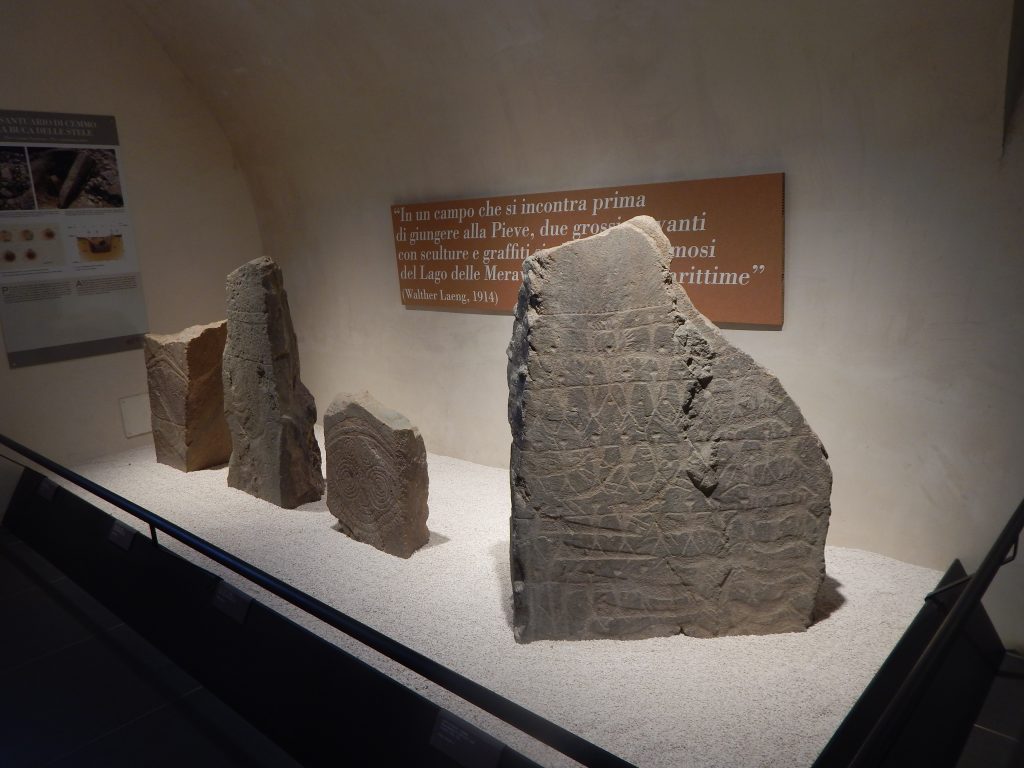
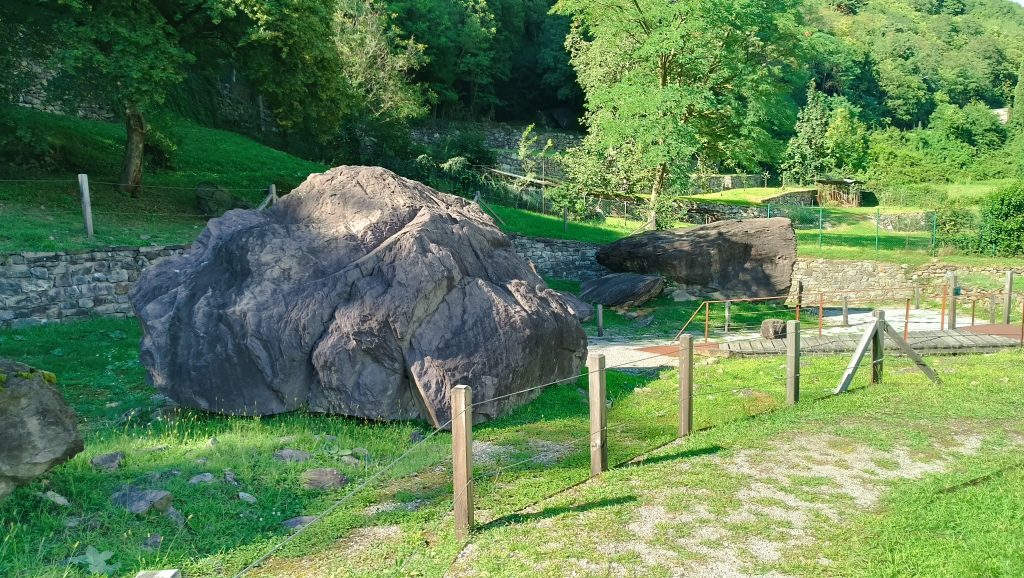
The exhibition is arranged over two floors and divided into seven sections, guiding visitors from Prehistory to Protohistory. On the ground floor, visitors enter the world of the sacred, with imposing stelae and menhir-like boulders from the megalithic sanctuaries of Cemmo, Ossimo and Bagnolo: engraved monuments of great symbolic significance, associated with the cults and rituals of the Copper Age.
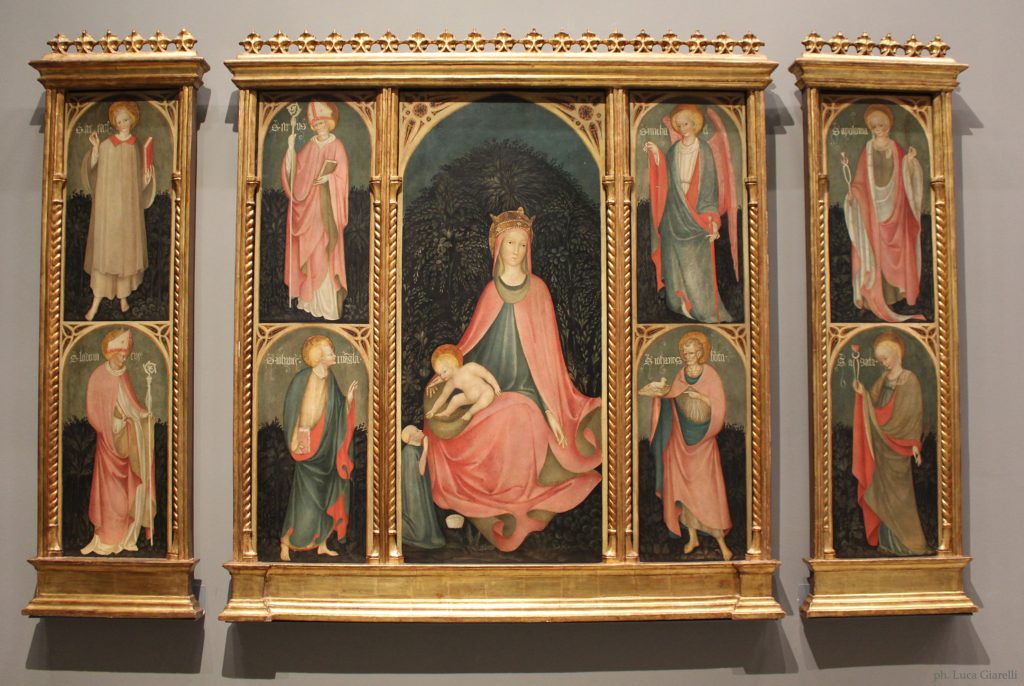
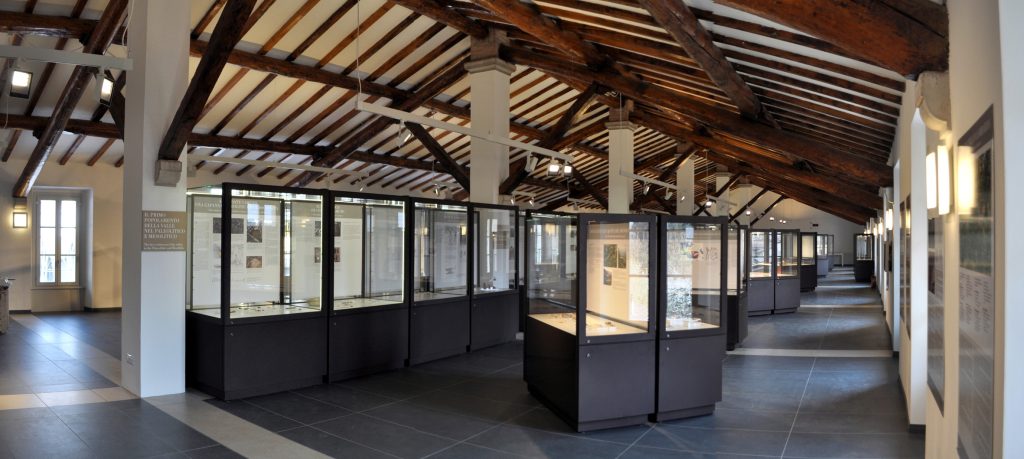
On the upper floor, with in a spacious and light-filled exhibition setting, the story of Alpine communities unfolds: from Palaeolithic campsites to permanent Neolithic settlements, and onwards to the development of metallurgical and mining activities. The displays include everyday objects, tools, pottery, ornaments and evidence of the earliest forms of Camunian writing, derived from the Etruscan alphabet.
Among the most significant finds are the decorated stelae from Cemmo, grave goods from sanctuaries and necropolises, and finely crafted artefacts such as necklaces, pendants and decorated pottery, which offer a tangible and surprisingly sophisticated picture of the ancient communities that inhabited the valley.
The MuPRE is conceived as the starting point – or the culmination – of the UNESCO experience: an orientation centre that connects and interprets the open-air sites, transforming rock engravings from fascinating images into a comprehensive account of a civilisation spanning thousands of years.
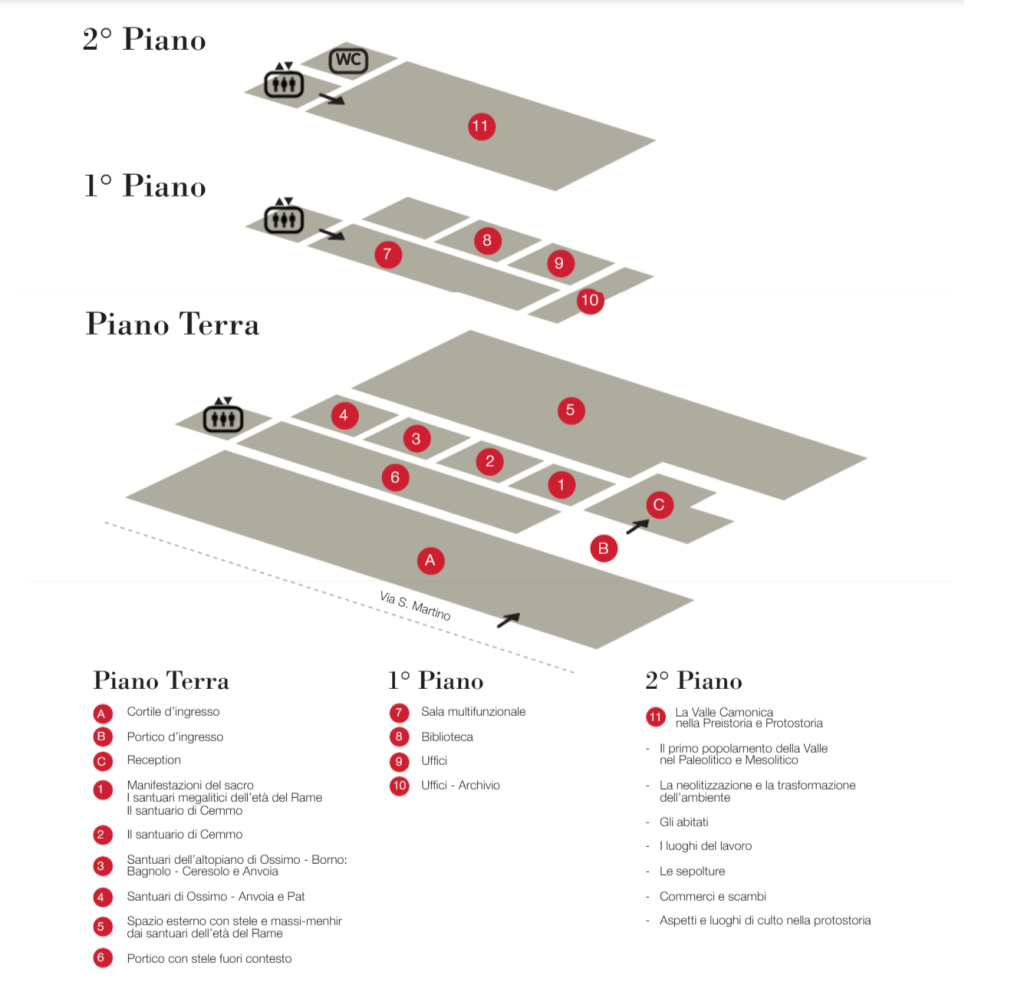
Spread over two floors and divided into seven thematic sections, the exhibition provides a comprehensive overview of the communities that inhabited Valcamonica during the Prehistoric and Protohistoric periods. The displays feature a wide range of artefacts, from objects associated with religious practices and funerary offerings to everyday tools and evidence of ancient mining and ironworking activities.
Two anthropomorphic figures stand out on the front surface of the monolith, attributed to the final phase of the Copper Age (3rd millennium BC) based on the style of the dagger depicted. The upper figure is crowned with a solar ray or halo , while the lower one features a cup mark at the level of the pubic area. These details suggest that the two images may represent a couple, possibly endowed with divine or ancestral significance.
Discovered in 1972, this stele is distinguished by an unusual combination of iconographic elements: the upper section is dominated by a sun which, together with the weapons and fauna depicted alongside it, evokes the male symbolic sphere. By contrast, the presence of a necklace with a pendant at the centre suggests the female sphere. This hybrid character points to the monument having been created in two distinct phases, both attributable to the same Remedello cultural horizon of the Copper Age (2900–2500 BC).
 The Ornaments from Ossimo-Pat
Originating from the sanctuary area of Ossimo-Pat, the double-spiral copper pendant and the stone-bead necklace are examples of personal adornment of exceptional value. Their significance also lies in their striking visual correspondence with the same types of ornaments carved on contemporary stelae, such as the Pat 1 and Pat 2 monuments and the Bagnolo Boulder 2.
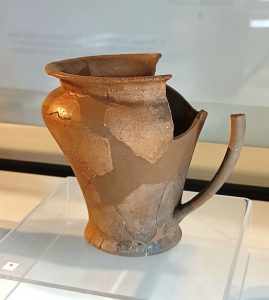 “Breno Black” Neolithic Pottery
Among the ceramic artefacts dating to the Neolithic period (between the late 5th and early 4th millennia BC) discovered at the site of Breno, particularly noteworthy are finely crafted bowls made from very fine clay, characterised by burnished, glossy surfaces and geometric stamped decorations. The distinctive craftsmanship of these artefacts has led archaeologists to identify this style under the typological designation “Breno Black”.
Brought to light in 1999, this stone inscription bears witness to the use of the Camunian alphabet. Together with similar discoveries on rock surfaces and pottery artefacts, this find clearly confirms the derivation of the local writing system from the Etruscan alphabet, which was reinterpreted and adapted to the language of the region.